
Sake Tasting in Kyoto: The Best Spots Around the City
If you’ve had sake in a bar in Tokyo, you’ll be used to neon lights or the cosy third-space vibe of places like Sake Market. For sake tasting in Kyoto, however, it’s a completely different atmosphere. Kyoto is famous for its gentle, traditional approach to respecting its history, and the sake scene in the city follows suit. Here, you can expect to learn more about the history, appreciate how the soft water influences the flavours of the sake, and spend time in a traditional kura, the breweries.
It was in Kyoto that I first really learned to appreciate sake. I’d had it before, but never really thought much about where it came from or the work that goes into producing it. After spending an afternoon sake tasting in Kyoto’s Fushimi district, I learned not only about how its made but all the different varieties, and the history of the drink. And sure, I could have read a Wikipedia page about sake, but the memory of the afternoon spent with my husband in Kyoto makes it a lot more special than words on a screen can do justice to.
For travellers who want to experience sake tasting in Kyoto, this post is for you. If you need a primer on what sake is and the different types, I’ve written a Sake 101 intro guide here.
The Heart of the Craft: Fushimi Sake District
If you really want to understand sake tasting in Kyoto, you have to head south to Fushimi. While the centre of Kyoto is busy with pavilions, temples, and crowded bamboo forests, Fushimi feels like a step back in time. It’s a neighbourhood of canals lined with swaying willow trees, striking white-walled kura (traditional breweries), and quiet streets with very little traffic.
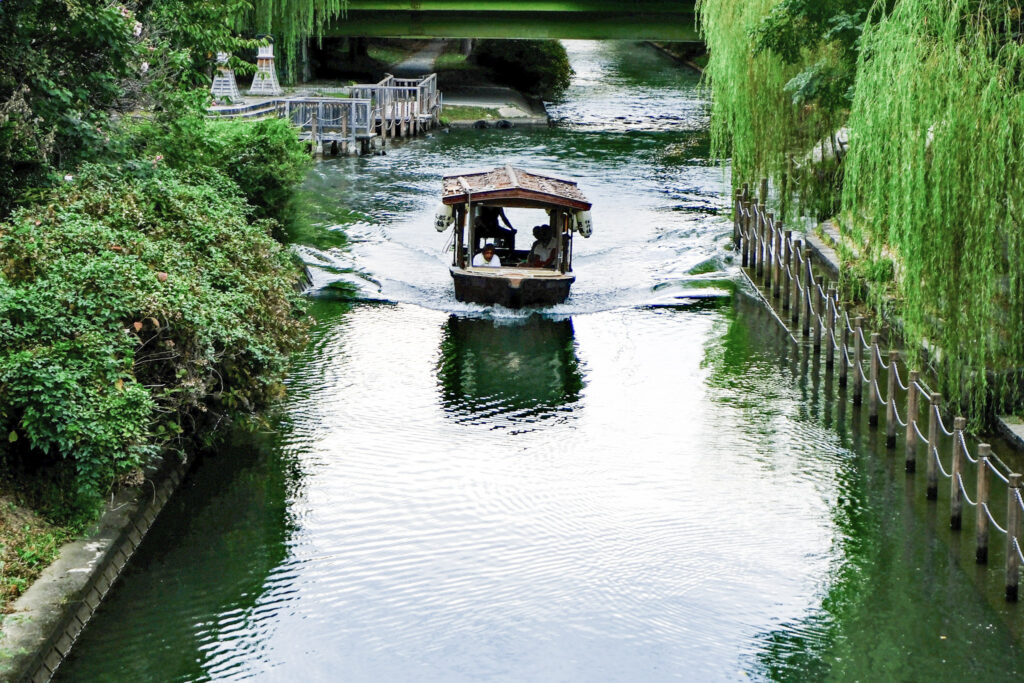
The name Fushimi actually comes from fushimizu, which translates to “hidden water” or “underground water”. The water here is famously soft, with the perfect balance of potassium and calcium, but very little iron. This water creates a fermentation process that is slow and gentle, resulting in a subtle, elegant style of sake that Kyoto is known for.
If you visit Fushimi for sake tasting, it’s worth spending a little bit longer just to explore the town itself. Because it’s where three rivers (Uji, Katsura, and Kamo) meet, it spent centuries as a port town, acting as the main gateway between Kyoto and Osaka. Today, you’ll still see traditional flat-bottomed boats sailing up and down the canals. These were originally used to transport sake barrels and rice to Osaka. These days, they’re sightseeing cruises that glide under the weeping willows. If you’re planning an afternoon in Fushimi, you can combine your sake experience with a boat ride.
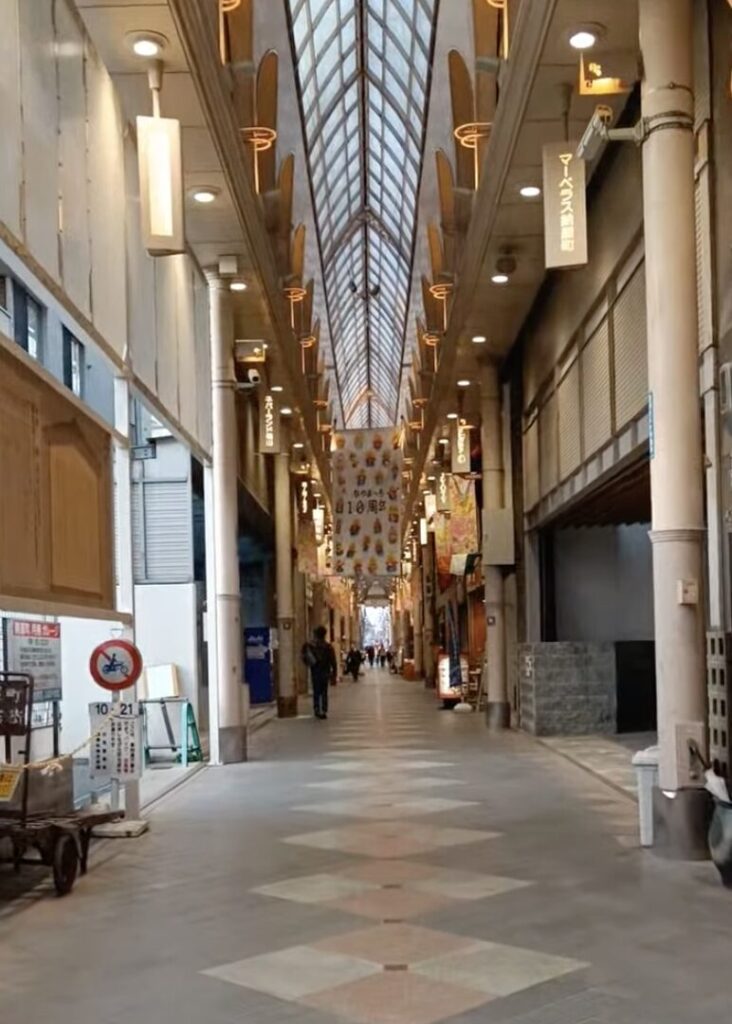
Also on your day in Fushimi, keep an eye out for the Otesuji Shopping Arcade. This is a covered market where the locals go to do their shopping. You’ll find casual lunch spots, traditional sweets, and sake-flavoured snacks.
And, most famously, Fushimi is home to the Gekkeikan Sake Museum.
Geikkeikan Okura Sake Museum: A Trip Back to the 1600s
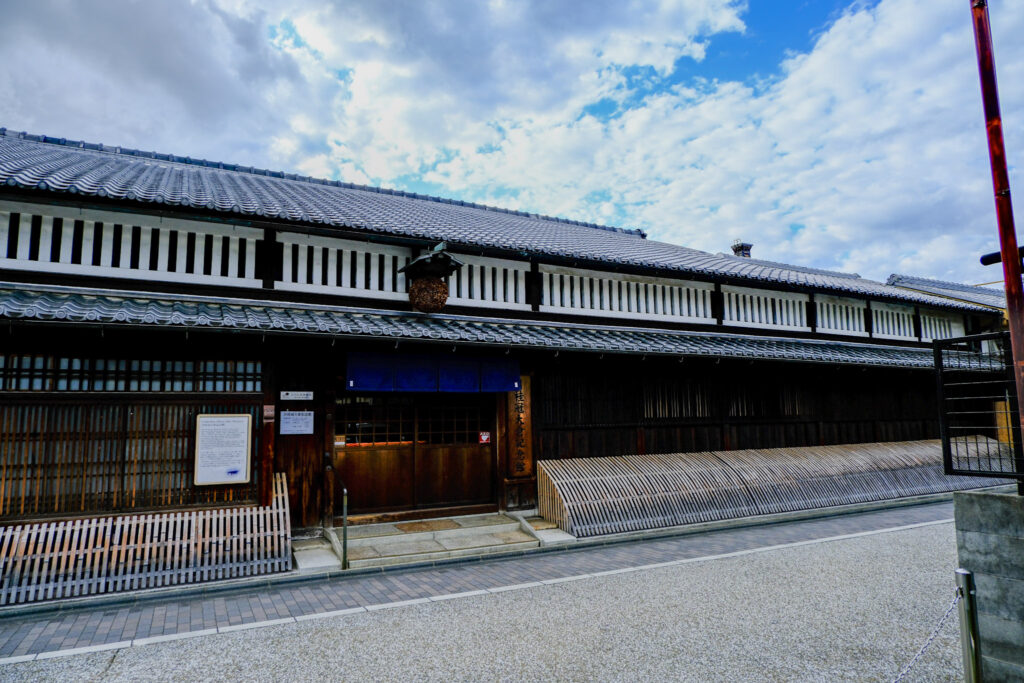
While Geikkeikan is now a household name in the sake world, their museum in Fushimi is a step back in time to the 17th century. The museum is housed in a renovated bottling factory from 1909, and the smell of the aged wood and fermenting rice still linger in the air.
It’s one of the most famous sake spots in the neighbourhood, and honestly, a must visit if you really want to appreciate the history of the industry. It’s also right next to one of their breweries where they still make sake today, so you know what you’re getting is right from the heart of it all!
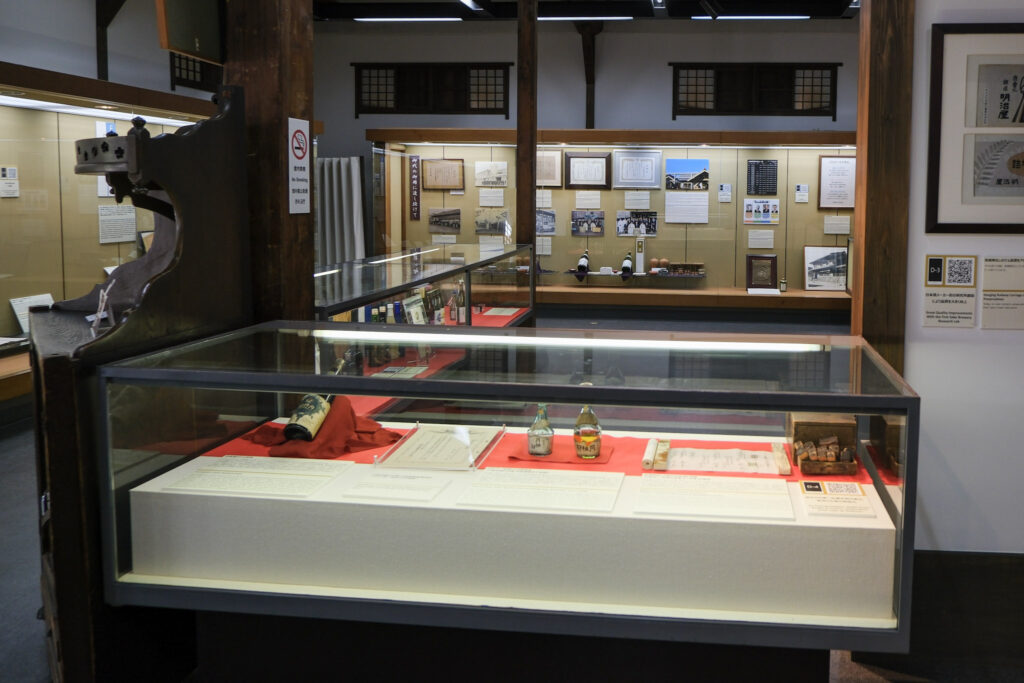
The museum takes you on a self-guided tour of the Gekkeikan company and sake production methods. You’ll first be taken to a screening room for a short film about Geikkekan (with English subtitles), before making your way into their main display room. Here, you’ll find artefacts from the company’s legacy, special commemorative bottles, and key moments from history.
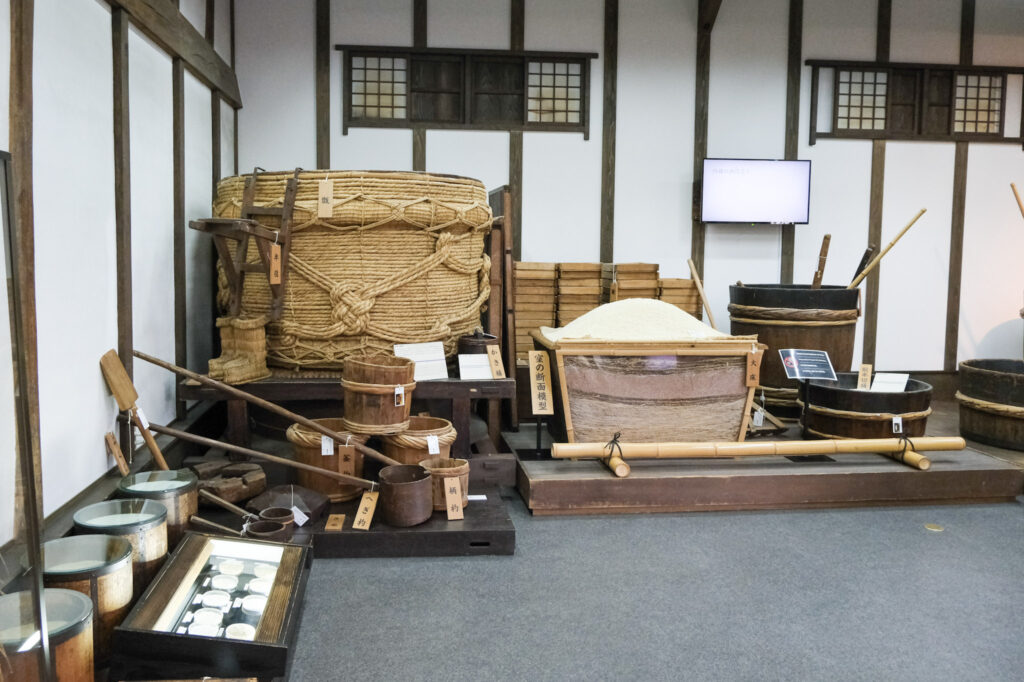
After, you make your way into another room where the traditional sake brewing methodology is explained. The museum shows different tools and explains each stage of the fermentation and brewing process.
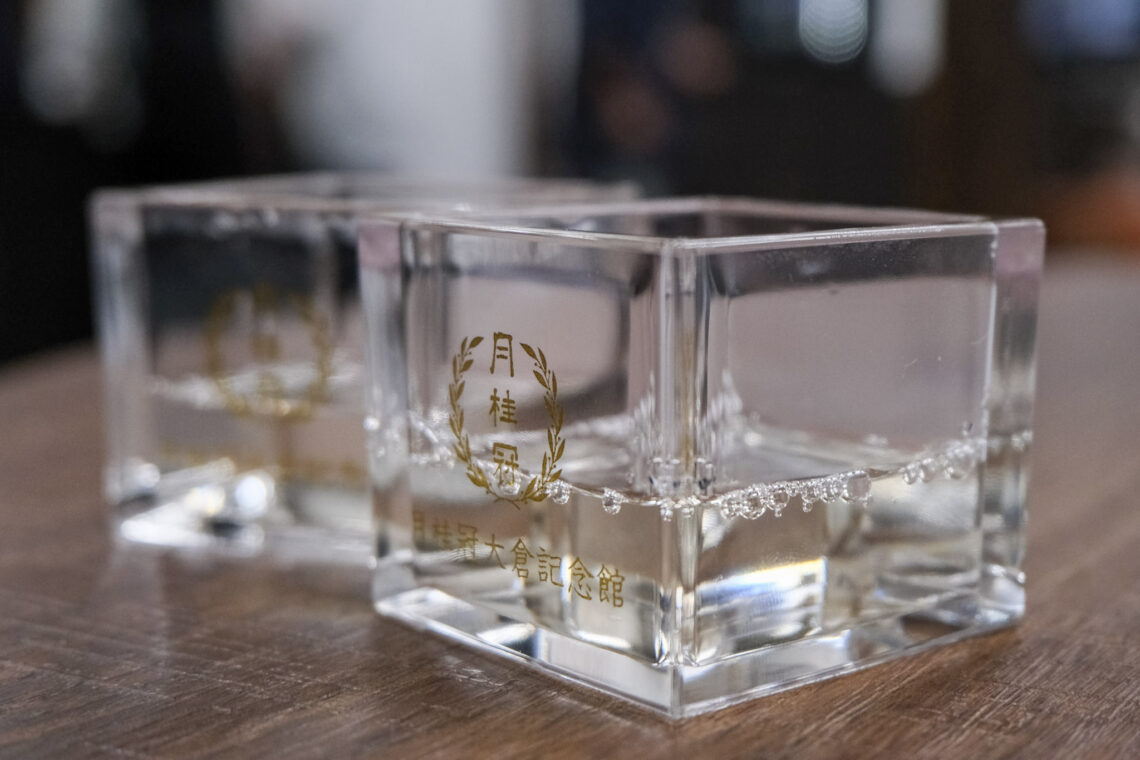
The tour finishes in the tasting room next to the main courtyard, where you can sample different sakes from self-serve machines. With your entrance fee, you’ll receive three tokens that you can use in the self-serve machines. If you want to buy any extra, it’s ¥100 each.
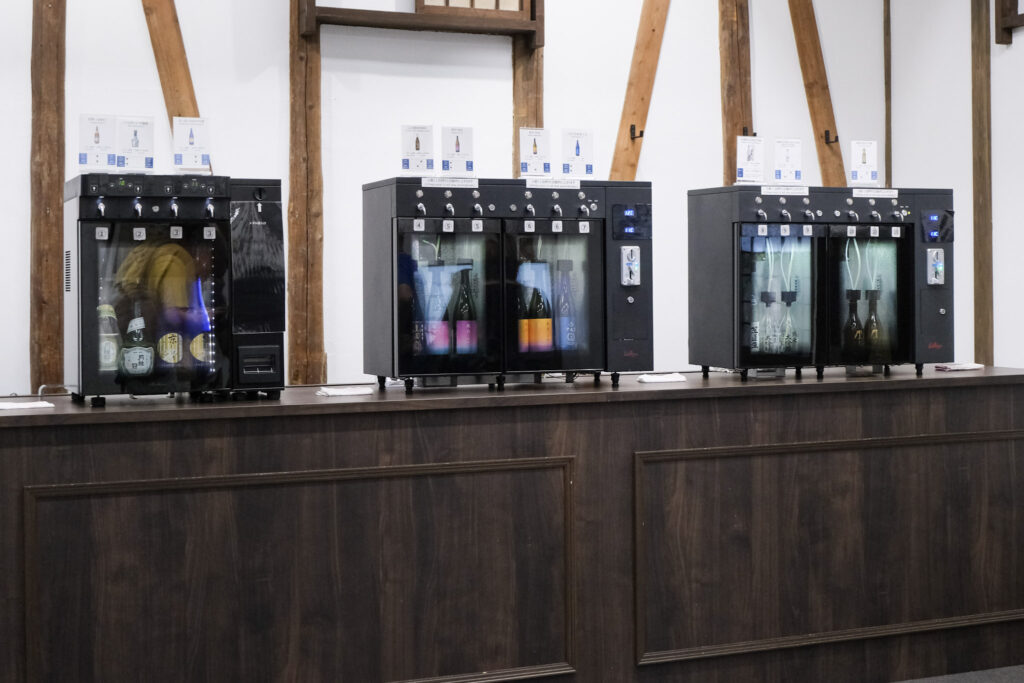
When I went with my husband, we decided to use our six tokens to try six different sakes. The measures are generous enough that we could share, and work our way through most of the menu on offer. On each of the standing tables in the tasting room, you’ll find a printed menu telling you about the different types of sake on offer and their tasting notes. We took it in turns to pick another one off the menu and fill up our little sake cup from the corresponding self-serve machine.
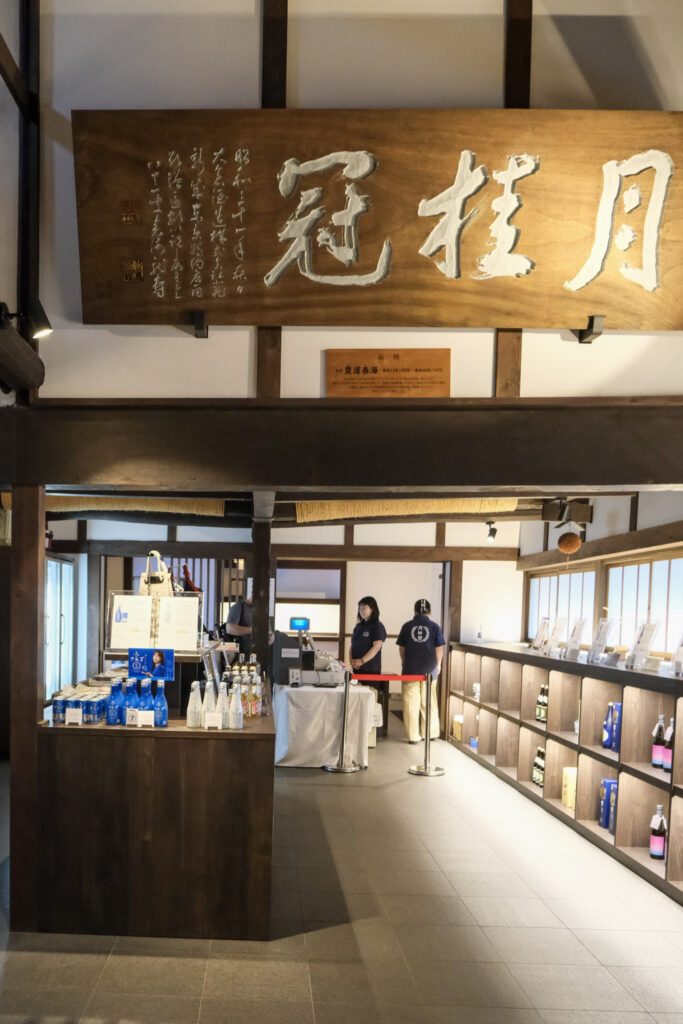
After the tasting, there’s a shop at the end where you can buy sake to take home. If you are thinking about buying sake, it’ll be much cheaper here at the source than anything you can get back home, so make sure you leave room in your suitcase!
Visiting the Museum
Address: 247 Minamihama-cho, Fushimi-ku
To get to the museum from central Kyoto, your best stops are Chushojima Station on the Keihan line, or Momoyamagoryo-Mae Station on the Kintetsu Kyoto Line. Both are a short walk from Geikkekan Museum, and the walk will take you through really pretty parts of Fushimi.
Opening Hours: 09:30 – 16:30, with last admission at 16:00
Admission: If you want to make a whole experience of it, this tour includes a visit to the museum as well as a sightseeing cruise on one of the famous flat-bottomed canal boats.
If you’re just there for the sake, a ticket into the museum will cost you ¥600. The entrance fee includes tokens for the sake tasting, and a free gift (usually a keepsake sake cup or small bottle). For those who want to visit but don’t drink, you can exchange your tokens for a bottle of water per token, or swap all 3 for a small bottle of sake to take home or give away.
The museum does have a reservation form in Japanese, but we showed up on the day and were let in without any problems.
Guided Sake Tasting in Kyoto

While the Geikkeikan Museum was a wonderful experience, my appreciation for sake really came from a guided sake tasting in Kyoto back on my first visit to Japan. If you really want to understand what goes into each little cup, you can’t do any better than having an expert explain it to you and bring you through the process and flavours.
My husband and I did the Kyoto Insider Sake Experience, and I couldn’t recommend it more. Our guide, Mayo, clearly loves what she does and her enthusiasm for helping us learn about sake was infectious. The tour I’ve linked includes entrance to the Geikkeikan Museum, so you’ll get the best of both worlds with this.

The actual sake tasting experience is for travellers who want to go beyond just sake tasting in Kyoto and really want to understand what they’re drinking, what to order, and the terms to look out for even after they go back home. This is where I learned about what a difference polishing the rice makes, the different flavour profiles of sake, and even an introduction to namazake, the unpasteurised stuff that quickly became a favourite. I’ve written about everything I learned in a deeper dive Sake 101 post here.
In this experience, you’ll visit the Geikkeikan Museum first, before being taken back to the tour company’s HQ for a more in-depth exploration of sake, complete with food pairings. We’d told them ahead of time that we’re both vegan, and they were able to adapt their pairings so we could take part too.
Whether you do the tour we did, or another one, having an expert on hand to answer questions and explain the drink to you makes the whole experience a lot more real, and a lot more fun. If you are keen to do sake tasting while you’re in Kyoto, I can’t recommend it enough.
Kyoto’s Best Sake Bars

If you’ve done the museum, done the sake experience, and just want to hit up some great bars for sake tasting in Kyoto, these are some of the most well respected places in the city:
If you ask a bartender where to go, they’ll probably point you at Sake Bar Yoramu. It’s a tiny bar that doesn’t take reservations, but if you call them 15 minutes ahead of your arrival, they’ll hold any available seats for you. They won’t take groups larger than 3 people, so this is somewhere for the solo travellers or couples who want a real appreciation of sake tasting in Kyoto.
Also known as the 18-Sake Village, this spot is in Fushimi, so you can keep your sake day going long after the museum shuts. It’s a food hall type setup where you can sit at a counter and order from multiple stalls. They’re famous for their 18-Sake Tasting Flight, with one signature sake from 18 different breweries in the Fushimi district.
I mentioned the Otesuji covered shopping arcade earlier in this post, and here you’ll find Aburacho. It’s a historic liquor shop / off-license in Fushimi, with a tasting counter at the back. They stock over 80 varieties of local Fushimi sake, including limited-run bottles from smaller breweries. If you missed your chance to buy some sake to take home in the museum, you can shop to your heart’s content here.
Making a Day of It
As you can hopefully see from this post, an experience sake tasting in Kyoto can go far beyond just having a glass at a bar. When I visited the Geikkeikan Museum, it was on the same day I took a day trip to Uji.
If you’re a fan of tea, you can make a day of “matcha and mash” by first visiting Uji in the morning, then Fushimi in the afternoon. They’re only about 15 minutes apart by train, and both towns are home to some of Japan’s most famous drinks.
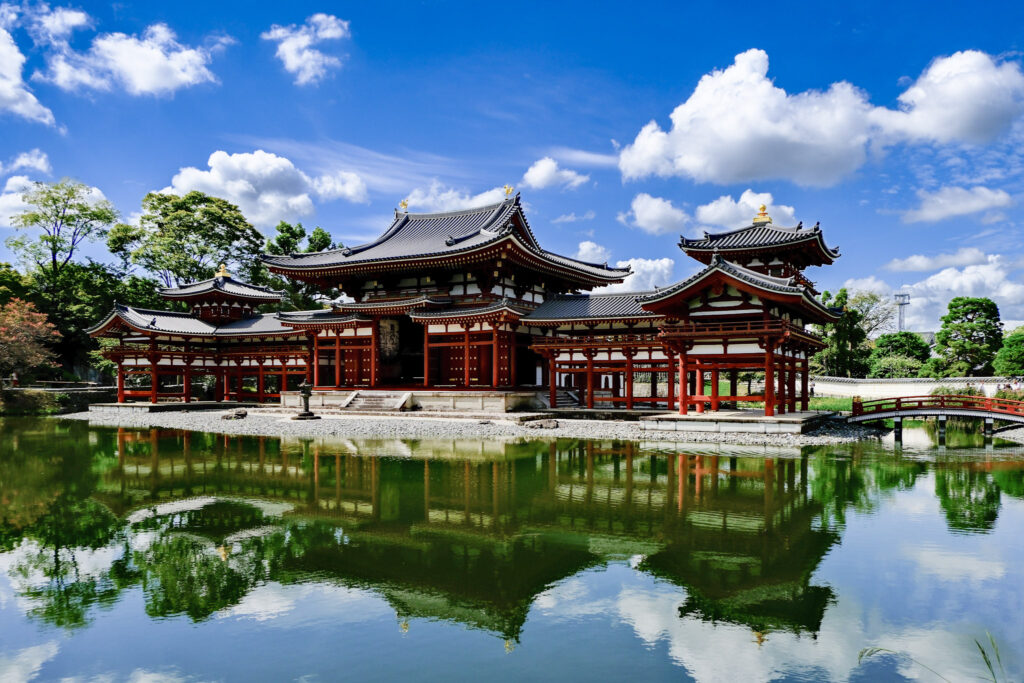
In Uji, you’ll find the home of matcha. You can read more about the full Uji day trip in my other post, but expect to find the stunningly beautiful Byodo-in Temple, a tea museum, and a full street of historic tea shops selling matcha, hojicha, sencha and more to take home.
The Matcha and Mash Day: Uji and Fushimi Itinerary
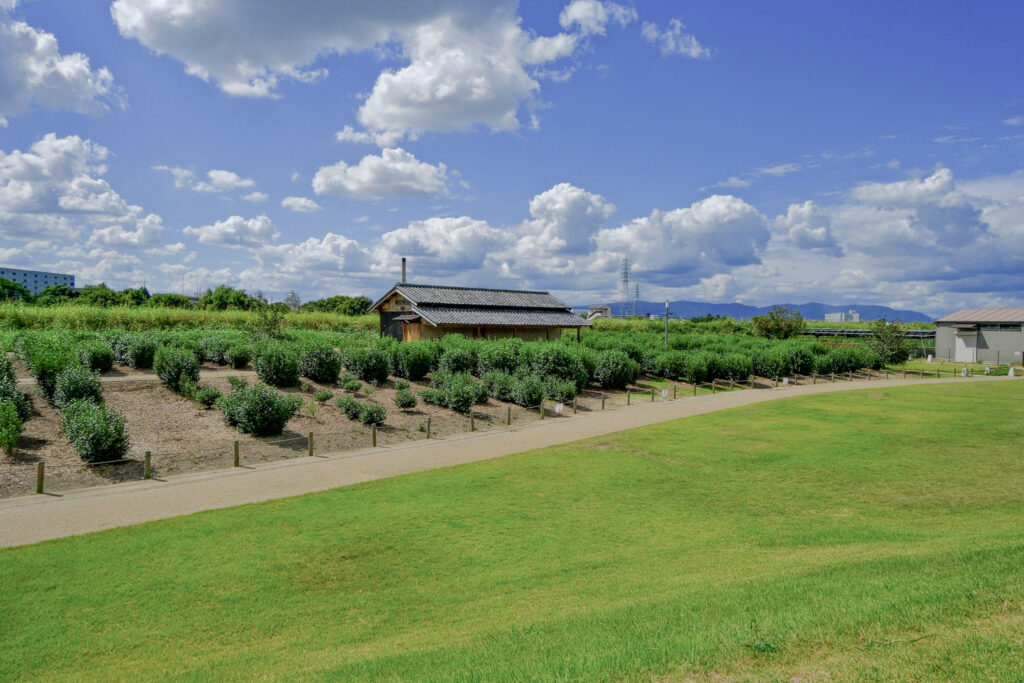
If I was doing this all over again and wanted to combine Uji and Fushimi, here’s how I’d plan it:
Morning:
- Take the train from Kyoto out to Uji and visit the Tea Museum first
- If there’s availability, try out the matcha grinding experience at the Tea Museum.
- Then, stroll through the main shopping street up towards Byodo-in Temple.
- Spend time visiting the temple and exploring its beautiful grounds.
- Head back to the shopping street for a cup of matcha, maybe get some ice cream to enjoy next to the river.
- Wander down the shopping street, popping into the little tea shops to pick up matcha and hojicha to take home with me.
Lunch
- Stop for lunch somewhere around Uji or Fushimi. When I went, we brought packed lunches that we had next to the river, which was so lovely.
Afternoon
- Take the train from Uji to Fushimi – the best way is the Keihan line from Uji Station to Chushojima Station
- Book onto the Museum and Sake Insider Experience tour and spend the next few hours really learning about sake.
- Finish up the day by strolling down the Otesuji covered shopping arcade, popping into Aburacho to buy a few bottles to take home.
- And, if I’ve got the stamina left, visit Fushimi Sakagura Kouji for a final sake tasting before heading back to central Kyoto for dinner.
Taking Sake Home: Avoid My Mistake
I’ve mentioned taking sake home a couple of times in this post, and if you’re thinking of doing just that, then great choice. It’s so much cheaper and so much better than anything you’ll find at home. I bought a bottle of sake for about ¥6000 in Japan that I’ve seen on sale in London for about £100 (about ¥21,000).
When you buy sake, it’ll usually come in a box. Usually a well-packed cardboard box, but sometimes if it’s a high end sake it’ll be in a commemorative wooden box. If you’re worried about the boxes taking up space in your suitcase, I’ve often just rolled up bottles in my clothes, then stuffed them into packing cubes.
If you’re buying the really good stuff though, I’d recommend getting these insulated bottle bags or something like them to make sure they’re protected getting home.
The other, biggest piece of advice I’ll give you: Sake is not wine. It doesn’t get better with age, and it usually should be drank within about 6 months of buying it.
I’m terrible for buying things like good sake, wine, matcha, whatever, abroad and then tucking it into a cupboard, telling myself “I’ll save that for a special occasion”. I end up waiting so long for the “special occasion” that it goes well past its best. It’ll still be safe to drink (unless its namazake, the unpasteurised stuff), but all of those subtle flavours and smoothness get muted or lost.
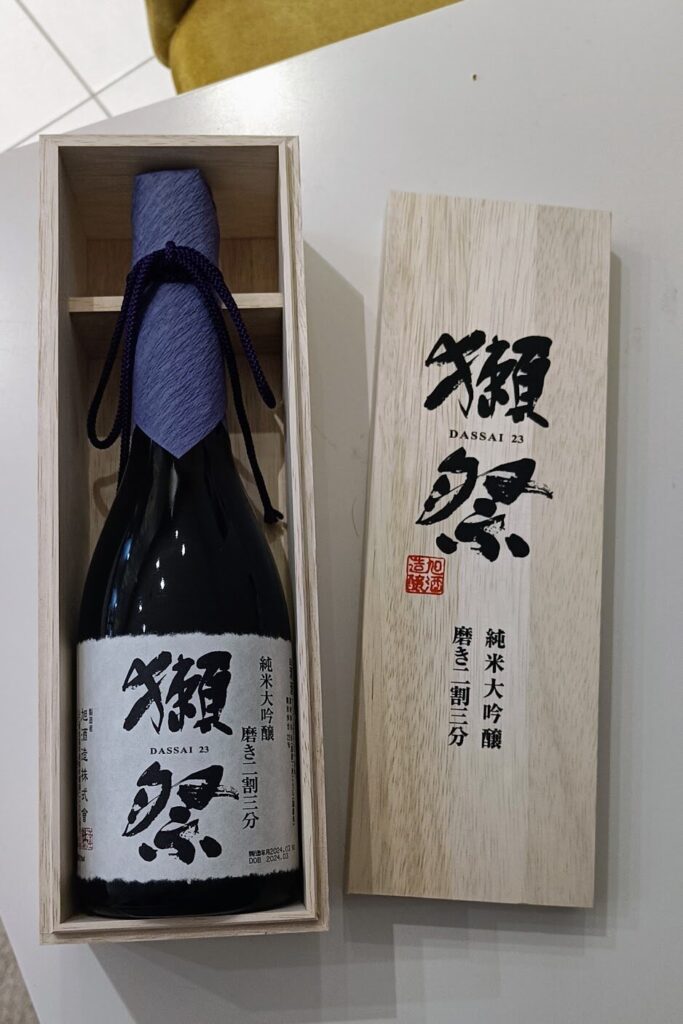
I bought a really nice bottle of Junmai Daignjo sake and put its pretty wooden box into my wine cupboard. It then lived there for two years. I kept telling myself I’d plan a nice dinner and get the sake out, and then never got around to it. I ended up opening it last night as I was writing the outline for this piece and had a glass with my husband with Netflix playing in the background. I hadn’t exactly envisioned my “special occasion sake” in my pyjamas, but here we are.
The sake was still good, and I’ll be making onigiri today to enjoy with it properly, but you could tell that the flavours just weren’t quite what they were. If I’d opened that earlier, we’d have been able to enjoy it properly.
So, biggest piece of advice to you: don’t wait for the special occasion. I’ve learned my lesson with this. Sometimes the normal, everyday parts of life are the parts worth adding a bit of extra magic to.