
Hakone Budget: What Visiting Japan’s Onsen Town Costs in 2026
A trip to Hakone is a popular part of many Japan itineraries, and for good reason: You get to see a beautiful town, stay in a traditional ryokan, get a glimpse of Mount Fuji, and see some gorgeous nature – and all within a short distance of Tokyo. But what does the Hakone budget actually look like? Once you start adding up your ryokan stay, the Hakone free pass, food, and transport, your peaceful interlude in the countryside can suddenly get quite stressful.
On my first trip to Japan, Hakone was high up on the “must do” list. I’ll give you the spoilers right now: It’s not cheap. Because it was our honeymoon, my husband and I decided the splurge was worth it, and still to this day, it’s one of my favourite memories from that trip.
If you’re planning your own Japan trip, I’ve broken down the Hakone budget in this post so you can have a realistic idea of what it’s going to cost and decide if it makes sense for you.
The Hakone Ryokan Cost: Your Biggest Spend
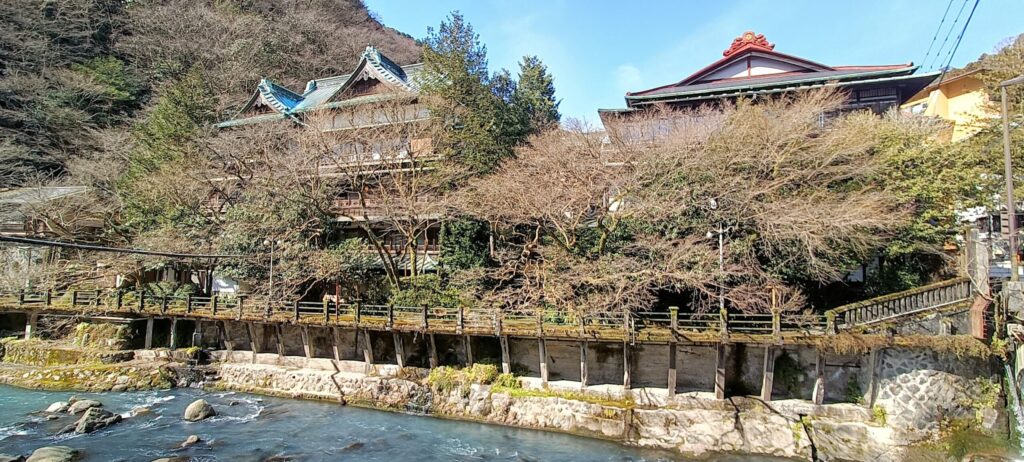
Let’s dive right into the biggest expense in your Hakone budget: the ryokan. Staying in a traditional Japanese inn is a huge part of why so many people choose Hakone. It’s a total gear shift from the bright lights and busy streets of Tokyo, giving you a quiet, peaceful place to relax and unwind.
What is a Ryokan Stay Like?
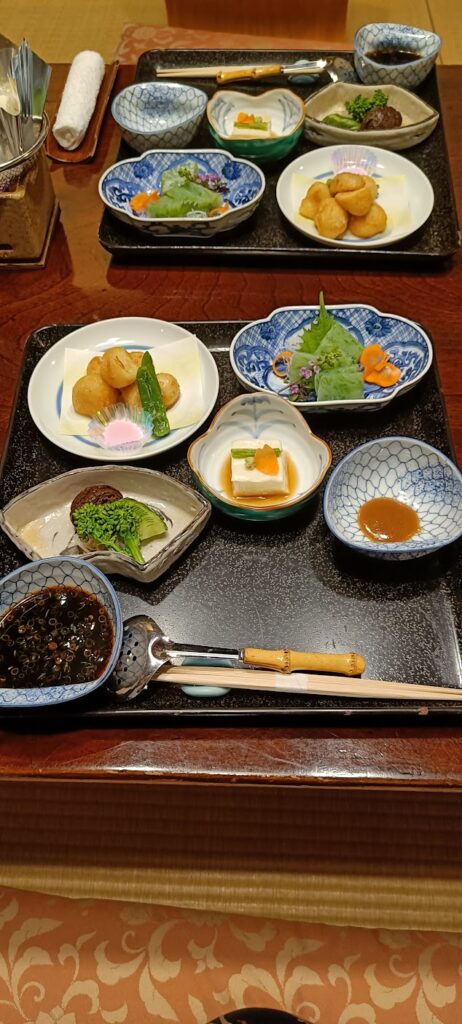
Usually, a Hakone ryokan stay includes your breakfasts and dinners. Dinner is usually served in the traditional kaiseki style, which is a multi-course fine dining experience that celebrates seasonal ingredients. Many ryokans will change up their menus from night to night, so you’re unlikely to get the same dinner twice! I’ve written about my own, vegan-friendly stay here, which should give you an idea of what to expect.
As Hakone is a hot springs town, most ryokans feature an onsen (Japanese bathing facilities in the hot springs). The ryokan I stayed in had a beautiful, open air onsen that could be booked privately after 10pm – perfect for me, as I have tattoos which are normally a no-go for onsens. If you’re looking for similar, look for ryokans with private onsens or kashikiriburo. It was the perfect way to unwind after a long day sightseeing and a dinner served in our room.
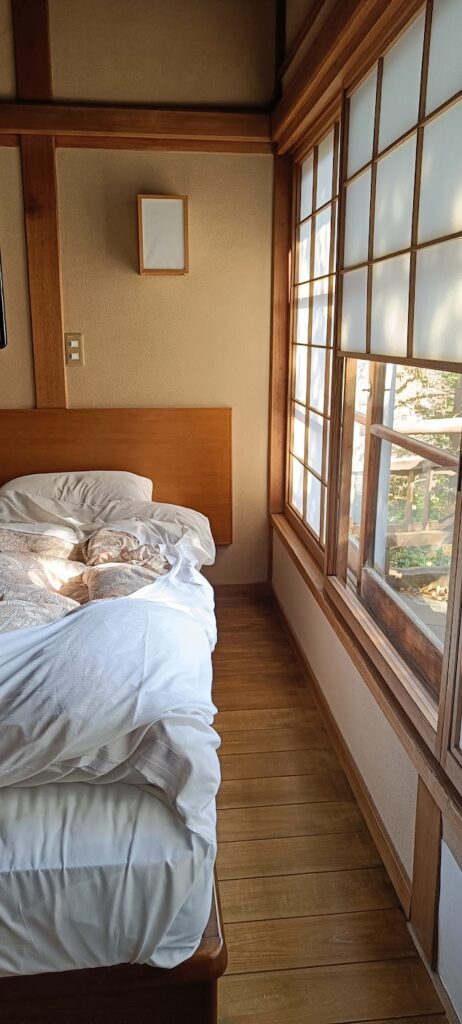
The rooms themselves are peaceful sanctuaries – think tatami mats, sliding shoji doors, and futon beds laid out while you’re at dinner.. They’re incredibly peaceful and quiet, and I can honestly say I had one of the best night’s sleeps I’ve ever had in ours.
Overall, it feels less like a hotel and more like a retreat. You’re paying for the meals, the mineral-rich water, and a level of hospitality (omotenashi) that you just won’t find in a standard Western-style hotel.
How Much Does it Cost to Stay in a Ryokan?
Okay, let’s get down to business: what is this luxury and tranquility actually going to cost you?
I stayed in a ryokan in Hakone in March 2024 and the bill came to ¥146,884 at the time (approx £720) for a two-night stay. It’s now just under two years on, and while prices haven’t changed that much, I wanted to give you a more up to date snapshot.
I’ve checked ryokan prices for two days in August 2026, and can share the following data with you:
| Ryokan | Cost of a 2-night stay in August 2026 |
| Fukuzumiro | ¥154,278 (approx £724 GBP / $984 USD) |
| Matsuzakaya Honten | ¥182,224 (approx £855 GBP / $1,163 USD) |
| Musashino Bekkan | ¥145,566 (approx £683 GBP / $929 USD) |
| Hakone Onsen Ryokan Yaeikan | ¥106,631 (approx £500 GBP / $680 USD) |
Most ryokans in Hakone offering a breakfast and dinner service are around the same cost, so on average, you’re looking at around ¥147,100 (approx £689 GBP / $940 USD) at the time of writing.
The Hakone Freepass: Is It Worth It?
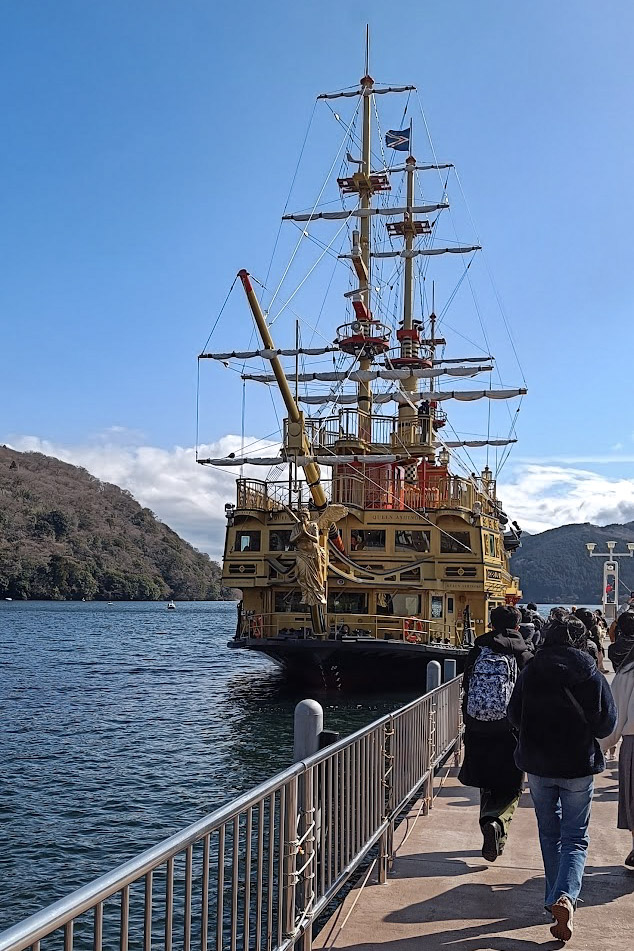
Once you’ve got your stay sorted, the next thing to consider for your Hakone budget is whether you’re going to make use of the Hakone Freepass to see the attractions in the area. I’ve written a One Day in Hakone itinerary here that will bring you through what to expect.
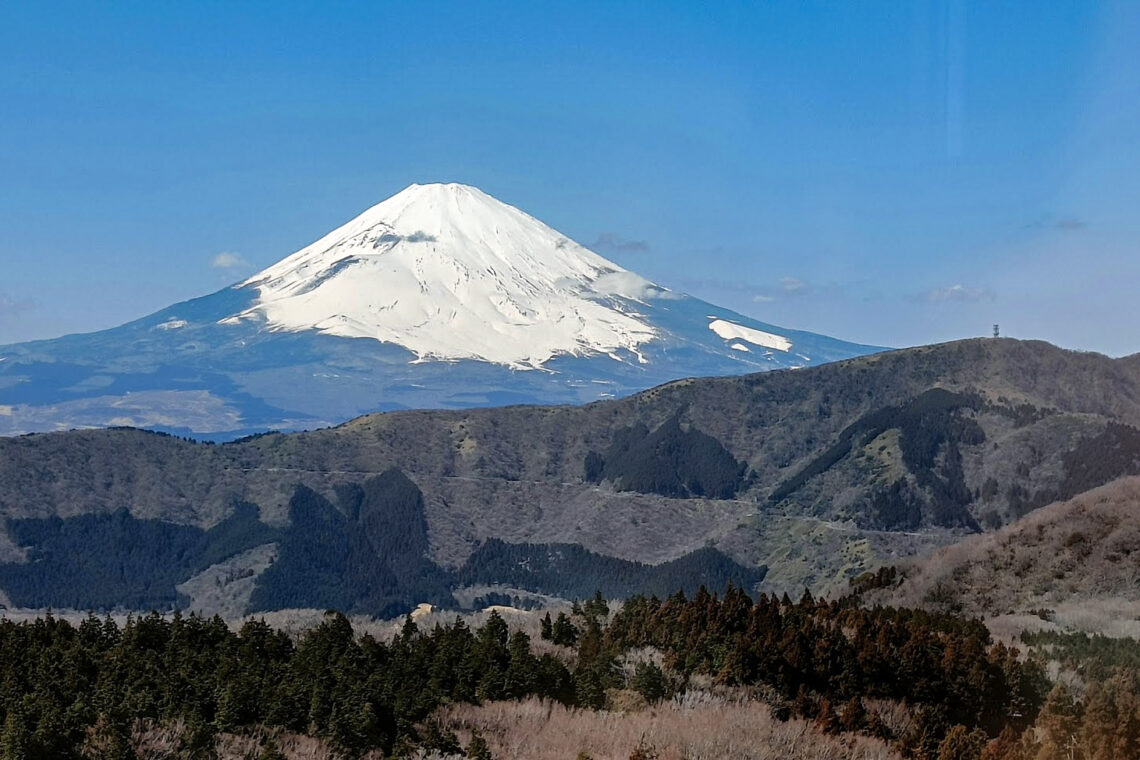
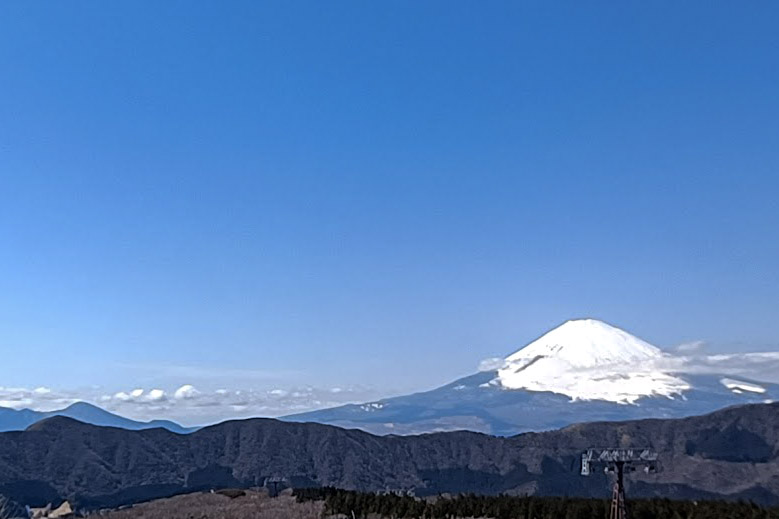
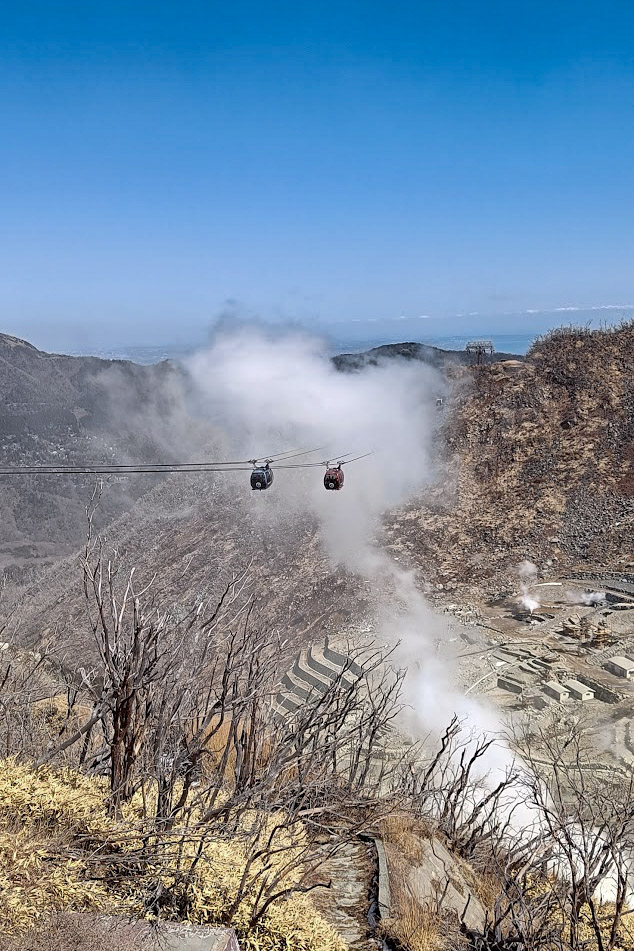
If you want to get out into Hakone and experience the ropeway, the cable car, the pirate ship, and get that postcard perfect shot of Mount Fuji, you’re probably going to want the Freepass. For most tourists, it’s a no-brainer, it’s the easiest way to see Hakone. The loop the Freepass takes you on is so well connected that you don’t even really need to think about what’s next on your day, you just keep moving ahead.
The pass comes in 2-day or 3-day versions, with an option to include your transport from either Shinjuku or Odawara. Even if you’re only spending one day sightseeing in Hakone, you’ll still need to buy the 2-day pass as there’s no single day alternative.
| Starting Point | 2-Day Pass (Adult) | 3-Day Pass (Adult) |
| Shinjuku (includes return train) | ¥7,100 (~£37 GBP / $50 USD) | ¥7,500 (~£39 GBP / $53 USD) |
| Odawara (Hakone area only) | ¥6,000 (~£31 GBP / $42 USD) | ¥6,400 (~£33 GBP / $44 USD) |
If you choose to forego the pass, this is what you can expect to pay if you do pay-as-you-go:
- Hakone Ropeway: ¥2,500
- Pirate Sightseeing Cruise on Lake Ashi: ¥2,220
- Tozan Mountain Railway: ¥460
- Hakone Tozan Cable Car: ¥430
- Typical Bus Journey: ¥1,000
- Total: ¥7,210 (approx £33 GBP / $46 USD)
Regardless of whether you’ve already got your trains to Hakone sorted (and I’ll talk more about that in the next section), it’s almost always cheaper to get the Freepass rather than do pay as you go. The loop around the attractions is so well connected, that it’s actually more hassle to do pay as you go and skip some parts, and frankly, not worth saving a couple of quid in my opinion.
Transport Costs: How Much To Get to Hakone?
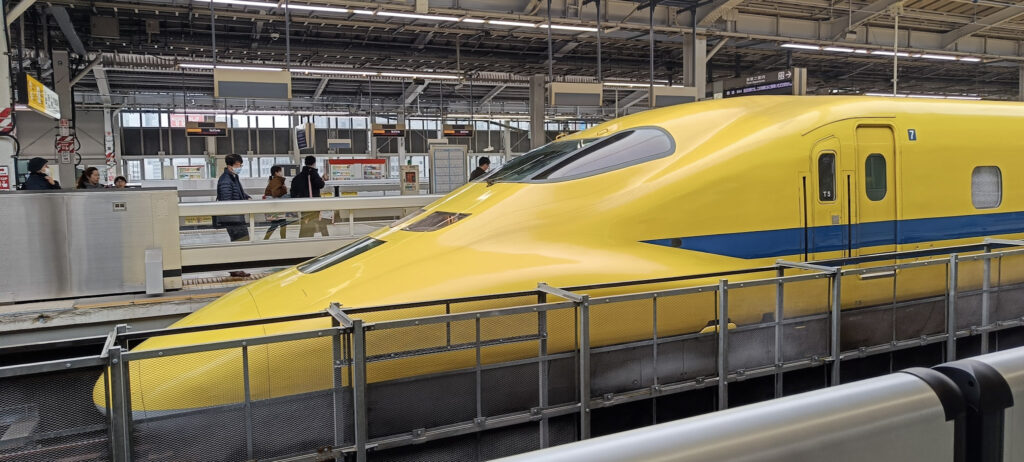
Most foreign visitors to Japan, including me, get to Hakone from Tokyo. It’s something else you’re going to want to factor into your Hakone budget, as the different transport options can add up.
If you’ve already got the JR Pass, you can keep your costs down by making use of it to get to Hakone on pass-covered trains. If you’re still deciding whether the JR Pass right for your trip, I’ve written another post here on the cost breakdown (spoiler: I don’t think it’s a good investment for most trips in 2026).
So let’s look at your options, both with the pass and without.
Getting to Hakone With the JR Pass
On my first trip to Japan, my husband and I had bought the JR Pass, so we took a route to Hakone that was covered by the pass and the Hakone Freepass.
We took a train from Shinjuku to Shinagawa, and from there the bullet train to Odawara. From Shinagawa to Odawara is about 85km, and only takes 25 minutes on the shinkansen.
From Odawara, it’s a bus onward to Hakone. If you buy the Hakone Freepass, the bus is included in the price of your ticket.
Total extra cost to you: ¥0, but bear in mind you’ll already have spent hundreds on the JR Pass, so it’s not exactly “free”.
Getting to Hakone from Tokyo Without the JR Pass
If you chose to skip the JR Pass, then you’ve got a few different options:
With the Hakone Freepass:
- If you choose the Hakone Freepass from Shinjuku option, it includes your base train fare.
- You can jump on any Odakyu Line Express or Rapid Express train from Shinjuku to Odawara. It’s a standard commuter train with no reserved seats. You then transfer at Odawara to travel on to Hakone-Yumoto. Total extra cost: ¥0.
- Alternatively, you can pay ¥2,400 extra for a round-trip Limited Express Romancecar ticket. This covers your reserved seat and a faster, direct train ride – no transfers, and saves you at least 15-20 minutes.
Without the Freepass:
If you don’t have the JR Pass or the Hakone Freepass, your trip from Shinjuku is going to cost something like this:
| Mode of transport | Cost each way (approx) | Travel Time |
| Romancecar direct to Hakone Yumoto (without the Freepass) | ¥2,470 (approx £11.50 GBP / $16.60 USD) | About 75 minutes |
| Shinjuku to Shinagawa to Odawara (via Shinkansen), transfer to Hakone | Around ¥4,000 (approx £18.70 GBP / $25.60 USD) | About 70 minutes |
| JR Shonan-Shinjuku Line from Shinjuku to Odawara, transfer to Hakone | Around ¥1,520 (approx £7.10 GBP / $9.70 USD) | About 2 hours |
| Odakyu Line from Shinjuku to Odawara, transfer to Hakone | Around ¥910 (approx £4.20 GBP/ $5.80 USD) | About 2 hours |
Transporting Your Luggage
While we’re talking about transport, there’s one other cost I want to mention: Luggage forwarding. On my own trip to Hakone, we took a very crowded bus from Odawara to Hakone. The bus was supposed to be 30 minutes, but thanks to weekend traffic, it ended up being triple that. I spent the full, miserable hour and a half trying not to crush anyone with my massive backpack while trying to stay upright as the bus careened around country roads.
I didn’t know about luggage forwarding at the time, and I truly wish I had. Yes, it’s an extra cost (about ¥1,500-¥2,500), but its a cost that makes your journey so much easier. The whole point of going to Hakone is to relax and unwind, so starting the trip by falling out of a packed bus, sweaty and laden down is not the vibe.
When I did the Shimanami Kaido cycle route, I forwarded my luggage on, and I cannot sing the service’s praises enough – you get to travel comfortably, and your bags arrive safely and efficiently at your hotel.
Optional Extras and Hidden Savings
While the Hakone Freepass covers a lot of ground and sights of the area, there are some other added extras you may want to consider for your own Hakone budget.
Attraction Fees
Even with the Freepass, you’ll still have to pay to get inside the main museums in Hakone.
- Hakone Open Air Museum: This is one of the must see attractions in Hakone. It’s ¥2,000 entrance fee, with a small discount of about ¥100-200 with the Freepass.
- Hakone-jinja Shrine: This is the famous “floating Torii” in the water. The shrine itself is free to visit, but if you want to enter the Treasure House museum, that’s about ¥500.
- Hakone Checkpoint: This is a historical recreation of a shogun-era checkpoint that was originally in place to control incoming weapons and outgoing or fleeing women. It’s ¥500 to visit, but the Freepass usually knocks about ¥100 off the price.
- Kimono Experience: Another popular experience with tourists, you can rent a kimono and get some great Hakone photos in your kimono. These usually cost about ¥12,500.
Onsen Costs
If you’re not staying overnight, or you’ve chosen a ryokan that doesn’t have an onsen, you may want to factor an onsen trip into your Hakone budget.
- Day Use Onsen: If you want to visit one of the famous public baths like Tenzan or Hakone Yuryo, expect to pay between ¥1,450 and ¥2,000 for entry.
- Towel Rental: Most public baths charge ¥200-¥500 to rent a towel.
- You can also bring your own towel, I use this microfibre, quick dry one when I travel as it folds up small in a day pack!
Food and Snacks
This is always the hardest part to write about when I’ve written budget breakdowns as it’s so subjective to each person. If you’re staying in a ryokan, you’ve likely already got your breakfast and dinner covered, so you’ll just need to think about lunch or snacks for the day.
For lunch, a budget of about ¥2,000 will get you a nice meal, and setting aside another ¥1,000 will cover snacks or bottled water throughout the day.
Adding it All Up: How Much is a Trip to Hakone?
I’ve talked you through the ryokan, the Freepass, transport, luggage forwarding and the optional extras. So what’s the total, and how much should you be setting aside for your Hakone budget?
Obviously, time of year, the extras you opt in for or skip, and even the ryokan you choose can all impact your real world totals. However, we can get a rough idea of the Hakone budget you’ll need.
If we assume you’re planning for a two-night trip to Hakone from Tokyo, staying in a ryokan with included breakfast and dinner, and you’re buying the Freepass:
| Item | Rough cost |
| 2 night ryokan stay, including breakfast and dinner (2 people sharing) | ¥147,100 (approx £689 GBP / $940 USD) |
| Hakone Freepass from Shinjuku (1 person) | ¥7,100 (approx £37 GBP / $50 USD) |
| Romancecar Limited Express ticket add on (1 person) | ¥2,400 (approx £11.20 GBP / $15.40 USD) |
| Luggage forwarding for one suitcase | ¥2,000 (approx £9.40 GBP / $12.80 USD) |
| Lunch and snacks for 2 days for one person | ¥6,000 (approx £28 GBP / $38.40 USD) |
| Total: | ¥164,600 (approx £772 GBP / $1,054 USD) |
As you can see, the ryokan is where the biggest share of your Hakone budget is going to go, and the ryokan costs I showed you earlier in this post is based on 2 people sharing a room. If you’re travelling solo, the price is a little bit lower (about £150/¥31,000), but not fully half the price.
Is a Trip to Hakone Worth It?
When I was planning my own Japan trip, I was coming from London, so it was already an expensive trip even before we set foot in the country. Adding a Hakone stay on top of that, the costs start adding up pretty quickly. You may reasonably be wondering whether it’s worth adding an extra £770 to your trip, but when you consider that you’re getting multi course meals, a ryokan stay, a dip in an onsen, and a chance to see some of Japan’s most beautiful nature, it starts to make sense.
Add to that that Tokyo hotels can often go for about £250 a night, so you’re unlikely to save that much by spending those nights in the capital instead.
I’m not exactly a budget traveller, but I’m also not usually someone who splashes the cash staying in 5 star resorts either. However, when I’ve already travelled to the other side of the world, to a place I wasn’t sure I’d ever get the chance to return to, it’s a lot easier to make a case for spending a little bit more for a truly unique experience.
I think travel budgeting is all about balance – if its something that you’re not particularly sold on, it’s fine to skip it. And likewise, if its something you feel you’ll deeply regret if you don’t do, it’s usually worth seeing where you can pare the budget back to make room for the big ticket item.
Hakone on a Budget
If you’ve looked at my numbers, or run your own, and decided that a luxury ryokan stay just isn’t in your Hakone budget, let’s talk about how you can strip it back while still having a wonderful time.
Hakone Budget Accommodation Alternatives
Instead of staying in one of the ryokans in Hakone, consider a hotel in Odawara. The two are 15 minutes apart on the Hakone Tozan line, and you can find much cheaper accommodation around Odawara. If you’ve bought the Freepass, you can even use that to commute to Hakone in the morning.
Here are some options for the same August 2026 weekend I used to search for ryokans, prices are based on two people sharing:
Odawara Accommodation Options
- Ryokan Plum: Close to Odawara Castle and the train station, a double room will cost you about ¥46,845 (around £220 GBP / $300 USD)
- Guesthouse Hatagoya Sato: While it’s a much cheaper option than a ryokan, coming in at ¥27,890 (about £131 GBP / $180 USD), this guesthouse is still decorated in a traditional Japanese style. You’ll find tatami mats and futon beds, giving you a taste of the ryokan interiors for a fraction of the price.
- Sakura Railway Inn: This is a pretty one bed apartment with an outdoor dining area, and cooking facilities. If you make use of the kitchen, you can even keep your food costs down by bringing packed lunches and having dinners at home. Cost for two nights is about ¥38,520 (about £180 GBP / $247 USD)
- Plum Hostel: If you want to keep the budget as light as possible, a hostel can be a great option. This one is located 5 minutes from the station, and a dorm bed will cost you about ¥8,520 (around £40 GBP / $54 USD) for a two night stay.
If you’ve got your heart set on staying in Hakone, I’ll be honest: there are fewer budget-friendly options, but they do exist. These guesthouses won’t usually include the kaiseki dining experience, and the accommodation will be less luxurious than the ryokans I’ve talked about earlier in this post, but they’ll still put you in the heart of Hakone and give you a great night’s stay.
Hakone Budget Accommodation
- Manten-no-Hoshi: This is a lovely guesthouse with the traditional tatami mats and futon bedding. A private hot spring bath is also available for use in the guesthouse. A two night stay here will set you back about ¥27,890 (about £131 GBP / $180 USD).
- Yushintei: This guesthouse is a 15 minute walk from Hakone Yumoto station. Like the option above, it’s decorated in a traditional Japanese style, with futon bedding. They also have themed hot spring baths. A two night stay here will be around ¥54,526 (about £256 GBP / $350 USD).
Cheapest Way to Get to Hakone
I talked through the travel options in my earlier section, but while we’re talking Hakone budget travel, let’s recap.
If you skip the Hakone Freepass, your cheapest route from Tokyo to Hakone is the Odakyu line from Shinjuku to Odawara, which is around ¥910 (approx £4.20 GBP/ $5.80 USD) and a further ¥360 (around £1.70 GBP/$2.30 USD) on the Hakone Tozan line into Hakone Yumoto.
If you choose to get the Freepass, then your travel can be covered fully if you take the same mode of transport.
Skipping the Freepass
While I still think the Freepass is a worthwhile spend, even if you’re keeping the budget as small as possible, here are a couple of ideas of things you can do:
Visit Lake Ashi
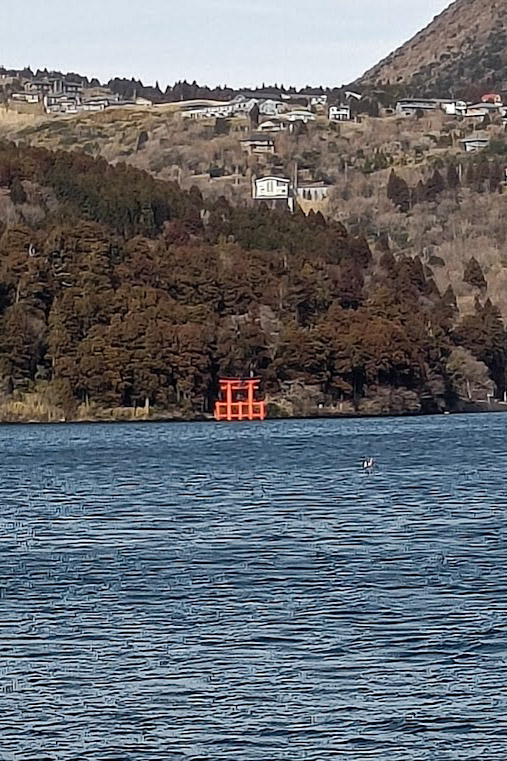
If you just want the quintessential Japan views of the floating red torii gate and Mount Fuji reflected in the water of the lake, you can take a local bus directly from Odawara to Moto-Hakone.
The bus costs about ¥1,200 each way, and once you’re there, you can walk the Old Tōkaidō Road Ancient Cedar Avenue, visit the Hakone-jinja shrine and see the floating gate, or walk around the lakeside path to Onshi-Hakone Park – all for free.
Visit an Onsen
If you’re skipping the expensive ryokan stay but still want to get your fix of hot springs relaxation, you could look at a day pass to an onsen like Tenzan where an admission fee will cost you ¥1,450.
For my fellow tattooed travellers, Tenzan does allow visitors with tattoos but there are some rules: You’ll need to cover them up in public areas, and only one tattooed person may enter at a time Even if you’re travelling with someone of the opposite gender, you won’t be allowed in if you’re both tattooed.
They also ask you to bring a small towel with you – I’ve got one like this (the 40 x 80 cm) that I use for the gym, which fits their definition of “small”. Alternatively, you can buy one of their towels onsite for around ¥200.
Take a Hike
There’s a hiking route that goes from Hakone town to the Amazake-chaya teahouse called The Old Tokaido Highway. The total hike will take you about 2 hours non-stop, or 8.2km in total.
If you go from Hakone to the teahouse, you can stop at the end of your hike for some of their famous Amazake, a rice wine that’s naturally low or no-alcohol. From the teahouse, there’s a bus that’ll take you back to Hakone.
If you’ve chosen a self-catering apartment as your accommodation, you can keep costs even lower by making a packed lunch at home to enjoy out on the trail.
So What’s the Absolute Cheapest Hakone Budget?
I’ve talked you through the total cost of a two day trip to Hakone if you’re doing the well-loved ryokan stay and Freepass combo. Now let’s look at the other end of the spectrum: The cheapest, no-frills Hakone budget we can do.
Based on a two night stay, and using the lowest price accommodation I found in my earlier section. This calculation is per person:
| Item | Cost |
| 2 nights in a hostel | ¥8,520 (about £40 GBP / $54 USD) |
| Odakyu line from Shinjuku to Odawara (return journey) | ¥1820 (about £8.40 GBP/ $11.60 USD) |
| Hakone Tozan line from Odawara to Hakone Yumoto (return journey) | ¥720 (around £3.40 GBP/$4.60 USD) |
| Groceries for two days (breakfast and dinner in the hostel, packed lunch) | Around ¥3,500 (around £16.50 GBP / $22.50 USD) |
| Hiking | Free |
| Bus back from Lake Ashi after hike | ¥1,200 (about £5.60 GBP / $7.70 USD) |
| Total | ¥15,760 (about £74 GBP / $100 USD) |
Final Thoughts
Realistically, most travellers are going to be somewhere between my earlier estimate of ¥164,600 for the full Hakone ryokan experience, and ¥15,760 for the Hakone budget travel option. I wanted to give you both options so you could compare both and decide what works for your travel style and budget.
As much as I loved my full ryokan experience, and honestly think it was worth the splurge for a one-off trip, the real beauty of Hakone is in the lake, the mountains and the scenery – and all of that can come for free or very little if you plan it well.
Helpful Links
- Motoyu Kansuiro – The ryokan I stayed in.
- For vegan travellers: I’ve spent the last couple of weeks reaching out to ryokans around Hakone to put together a verified list of vegan-friendly ryokans in 2026.
- The Hakone Freepass: For maps, full details of what’s included, and to buy it.
- E-Sim: If you’re using the Freepass or you’re out hiking or travelling around all day, you’ll need to stay connected.
- My guide to luggage forwarding: Just trust me on this one, it makes life so much easier.