

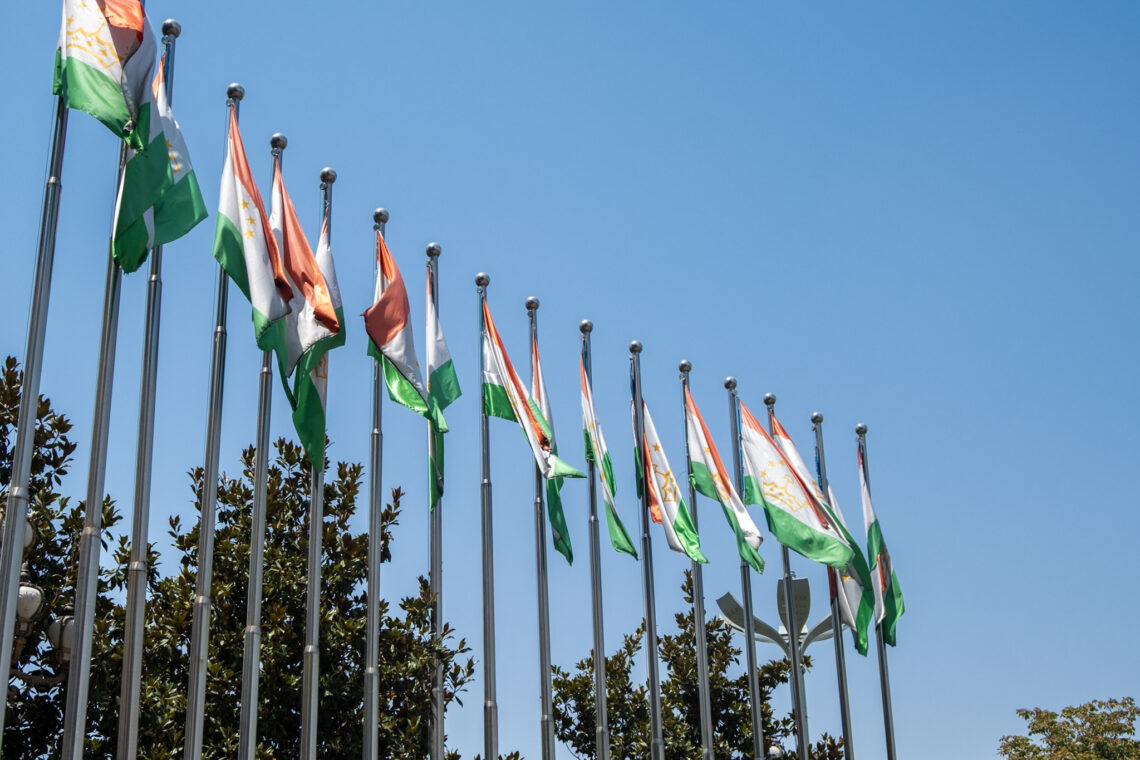
First Time in Tajikistan: Beautiful, Challenging and Worth It
Last month, I was back in Central Asia for my first time in Tajikistan. Having already been to Kazakhstan, Kyrgyzstan, and Uzbekistan, I was already familiar with the region, but Tajikistan was more challenging than I expected.
Tajikistan is a spectacularly beautiful country, but it isn’t a conventionally “easy” holiday destination. The country is still developing its tourism industry, and if you’re going expecting a similar experience to Uzbekistan, you’ll need to adjust those expectations.
Managing Expectations: Tajikistan’s Travel Experience
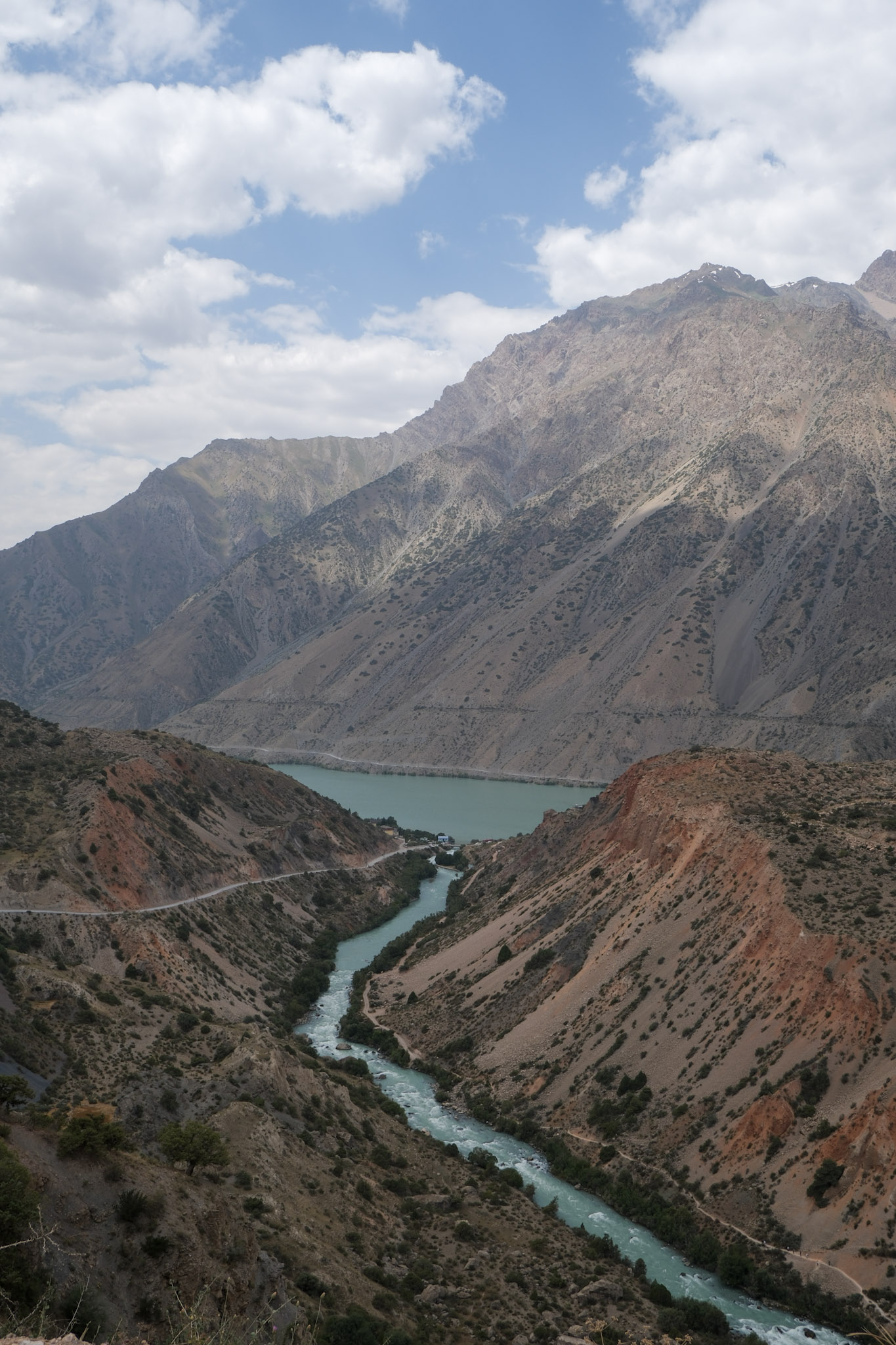
The first thing I’d tell anyone planning their first time in Tajikistan is to manage your expectations. This isn’t a country with a well-established tourism industry, and depending on where you’ve been before, travelling here can be a very different experience.
Tajikistan is an extraordinary country if you’re interested in mountains, hiking, or just want a trip that’s a world away from the usual tourist trail.
But on the flip side of that, the remoteness can be challenging. Outside of Dushanbe, tourist infrastructure is limited roads can be rough, accommodation can be basic, and you may go long periods without seeing another foreign traveller.
For me, this was part of what made Tajikistan such an interesting place to visit. I don’t need to go abroad and find a restaurant called Fat Tony’s selling pints alongside a full English, or wander onto a beach full of people who could be my cousins. However, there were times it also felt tiring and isolating.
That doesn’t mean you should expect a miserable trip. I never felt unsafe, I had a great guide with me, and I met plenty of friendly people along the way.
If you visit Tajikistan, come prepared for a little uncertainty. The reward is that you get to visit a country as it truly is: You get to see the daily life, the beautiful nature, and come away understanding more about the culture. You’re not getting a destination that tourism has already packaged up into a neat, sanitised version for mass consumption.
If that’s the kind of travel you enjoy, Tajikistan is one of the few places I’ve been that still feels authentically itself.
How Do You Get Around Tajikistan?
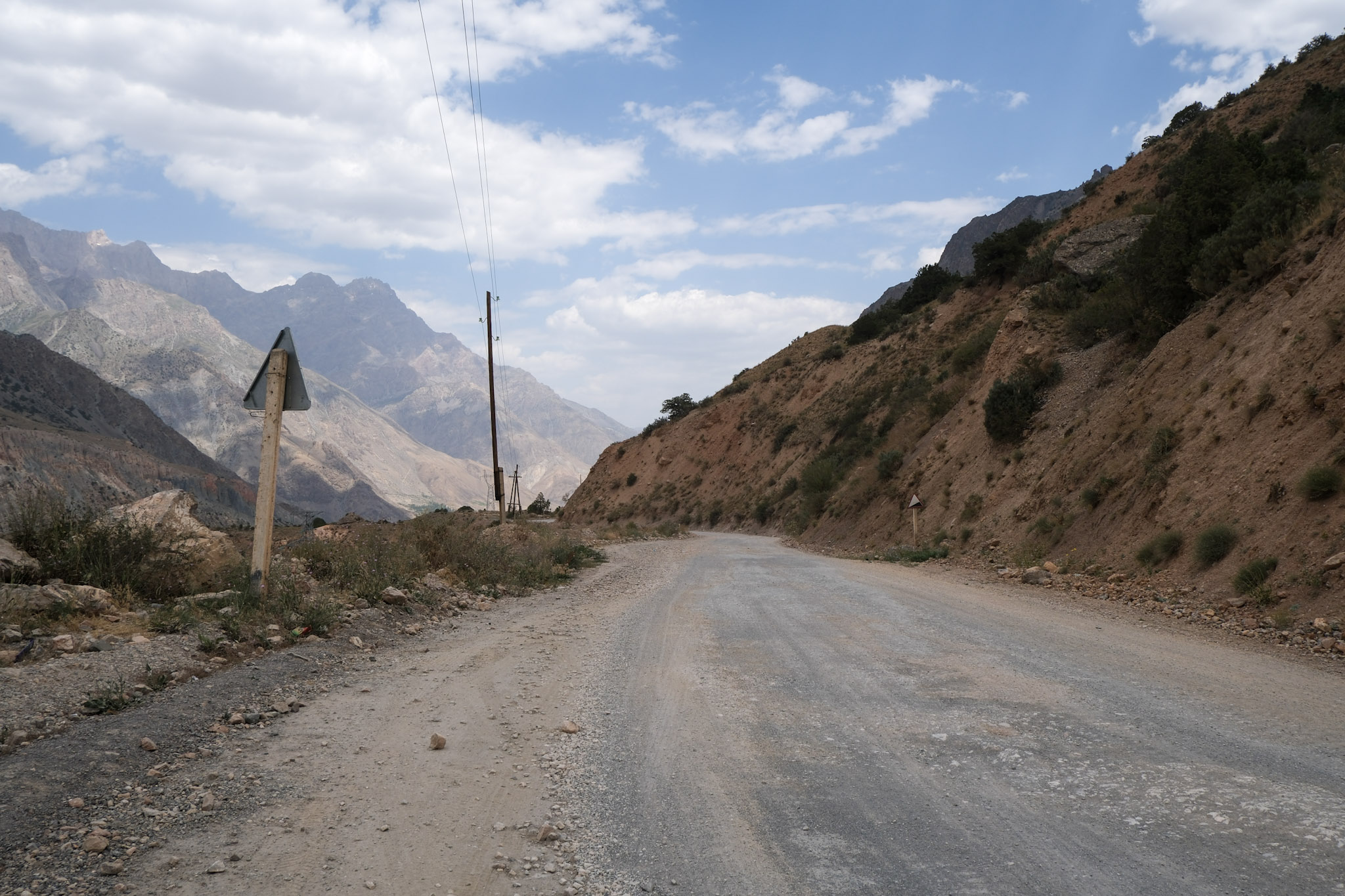
Getting around Tajikistan is one of the more challenging parts of travel within the country. About 93% of the country is covered in mountains, which makes for an incredible landscape, but some of the roads you’ll use to get to the most beautiful places can be rough.
I travelled around western Tajikistan with a local driver, Mohammed, which made the travel so much easier. If you’re planning your first time in Tajikistan, it’s worth thinking about how you’ll get between destinations before you arrive.
Travelling Between Cities
For journeys between larger towns and cities, you’ll find taxis or shared taxis, and private drivers are an option if your budget allows.
I used taxis in Dushanbe using the Jura app, and found them inexpensive. That being said, the app is useful for actually hailing a ride, it’s not great for navigating. I had more than one driver who didn’t know where I was going, and I had to pull up my destination on Google maps, and hand my phone over to them to follow the route.
Outside of larger towns, ride hailing apps aren’t especially useful, and you’ll struggle with internet connectivity in the mountains.
For longer journeys, having a driver who knows the roads and where you’re going can make a huge difference.
What to Expect from Mountain Roads
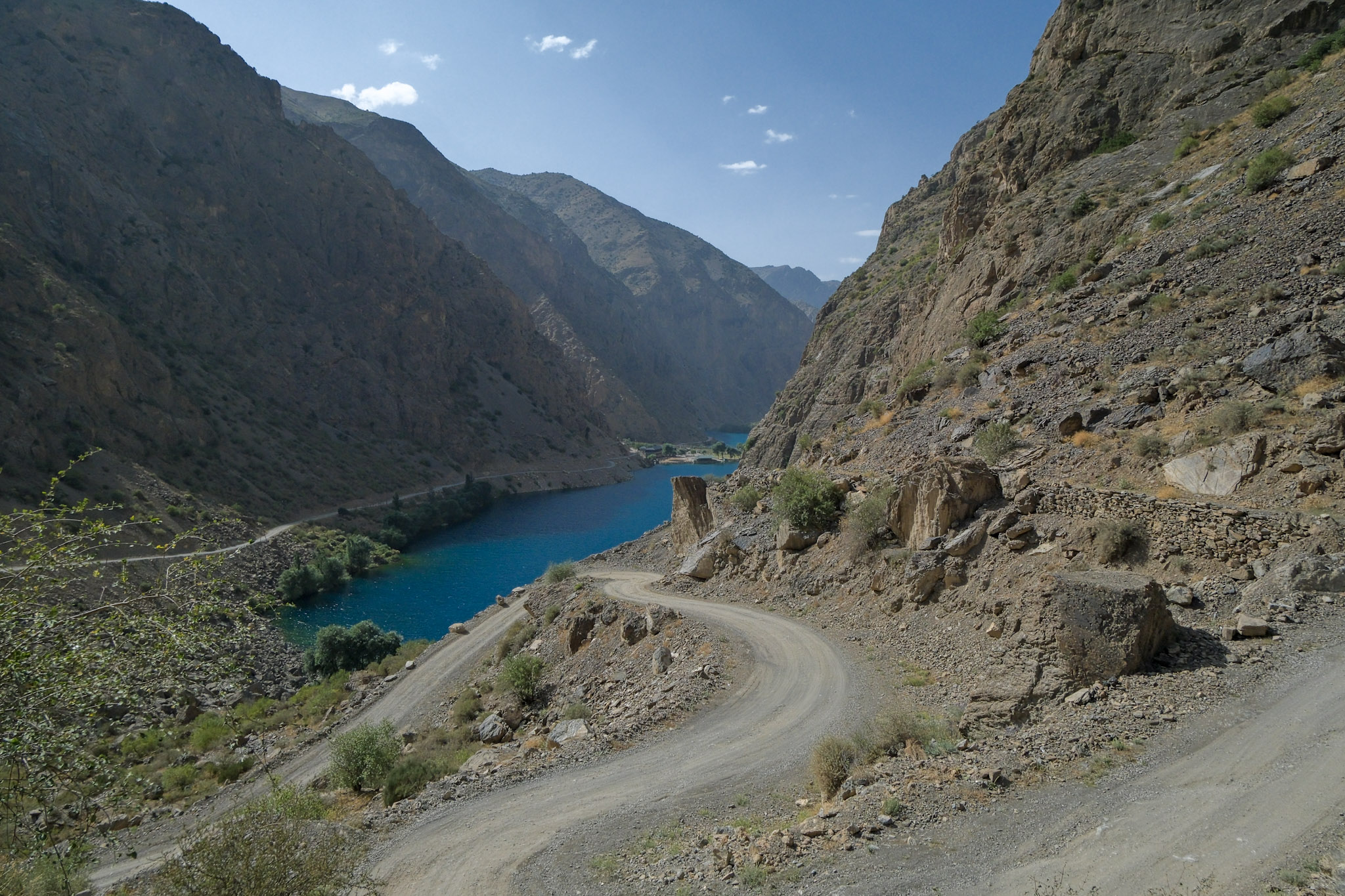
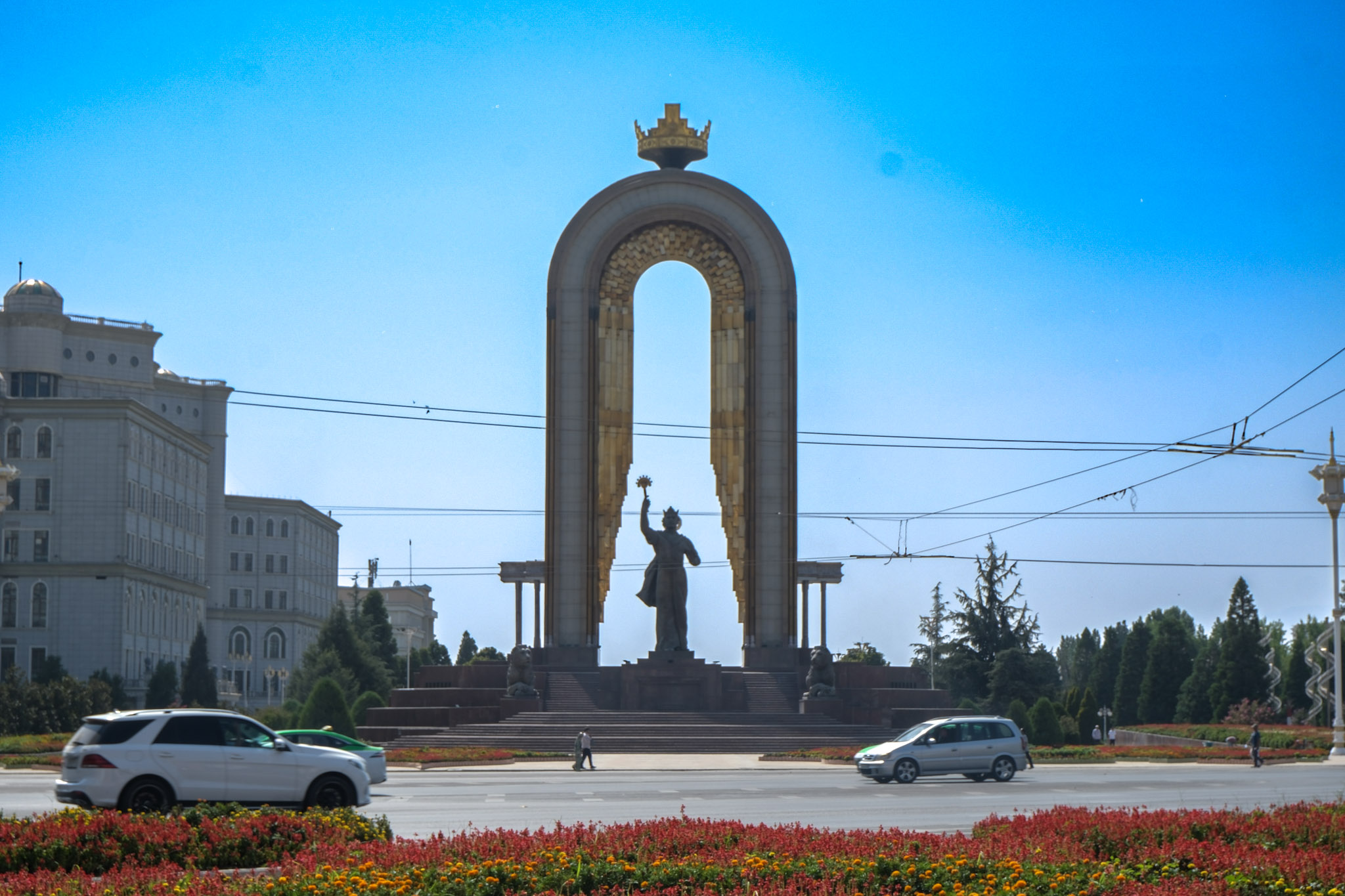
I’ve already said that the mountain roads can be rough, and while that’s true, the overall condition of the roads in Tajikistan was a lot better than I expected. I was expecting something similar to Kyrgyzstan, where the potholes were like craters, the roads were rocky, and my head got a thorough bruising as it bumped off the roof of the car.
For parts of the drive to the mountains, the roads are toll roads, and the money goes towards maintaining them. Long stretches were smooth tarmac, with covered tunnels to protect from avalanches during the winter.
Other parts, however, were bumpy. There were also large mining trucks using some of the same roads, particularly around the Seven Lakes area, so traffic can slow down and the huge vehicles can cause a cloud of dust to rise up around you.
I don’t drive anyway, but even if I did, I would have been glad to have Mohammed navigating. Some roads were only wide enough for one car, with a sheer drop on the side. Having a local, expert driver meant I was in safe hands.
If you’re a nervous driver, or you suffer from motion sickness, I’d take this part seriously. You could be on these bumpy roads for hours at a time, and if it’ll make your holiday miserable, its worth considering.
The upside is that these roads are taking you somewhere spectacular. While the roads to the Seven Lakes are winding hairpin turns in parts, you’re also getting to visit a part of the world that’s unspoilt by paved roads and fleets of tour buses.
Should You Travel Tajikistan Independently or With a Guide?
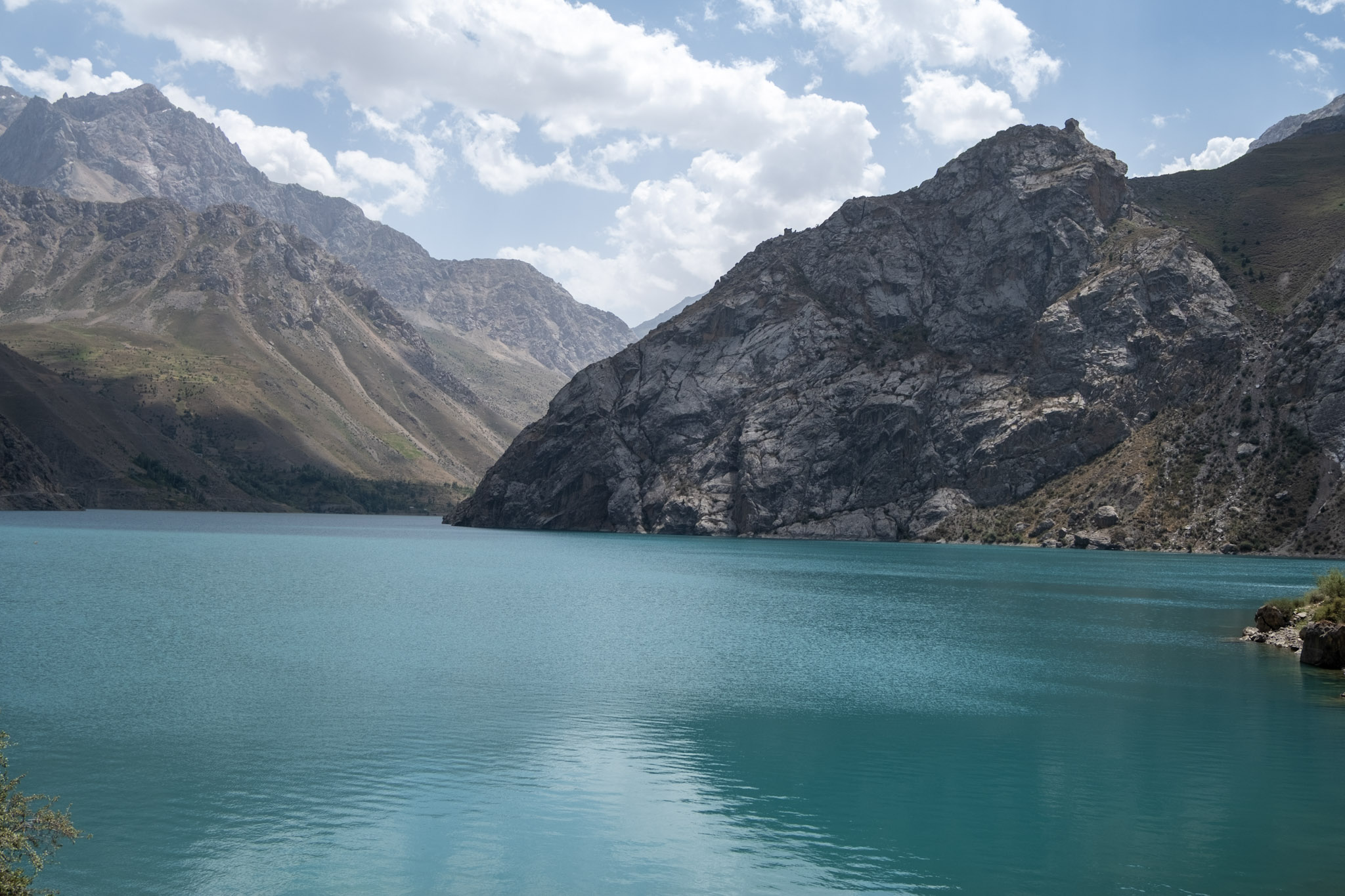
I visited Tajikistan solo. I had done group trips in Kyrgyzstan and Uzbekistan, but there are surprisingly few for Tajikistan. Anything I did see online tended to be a “Five Stans” kind of trip, or have Tajikistan tacked on as a day trip, rather than a genuine exploration of Tajikistan in its own right.
I ended up finding a local guide, Mohammed, through the Indy Guide platform, which was absolutely the right choice for me. Mohammed is fluent in English, as well as being someone I liked spending time with, so we spent the long drives chatting about life in general and I learned a lot more about Tajikistan than I would have if I was alone.
If you’re considering travelling solo, there are some additional things to think about, particularly the language barrier and the fact that you may spend long periods travelling without encountering other international travellers.
I’ll write a separate post about solo travel in Tajikistan soon. For now though, my take is that unless you’re a skilled driver, can speak Russian or Tajik, and are okay with a lot of solitude, go with a guide or just stick to cities and towns.
What About Public Transport?
Public transport is available, but I wouldn’t plan a first trip around the assumption that getting everywhere by public transport will be straightforward.
For a trip that includes mountain destinations such as Iskanderkul or the Seven Lakes, you’ll need to think about the final stages of the journey as well as getting between the main cities. This is where having a local driver or arranging transport in advance can make things considerably easier.
As for the rail network in the country, this is challenging. When I was originally planning my first time in Tajikistan, I was considering a train from Dushanbe to Samarkand in Uzbekistan. The trains are slow, and only once a week to Uzbekistan. I quickly realised that much of my trip would be spent waiting around on transport, rather than actively seeing the country.
There are two rail networks in Tajikistan, and they’re not connected to each other. There is a website, but it’s difficult to find how to book tickets, and any advice I found online suggests you have to show up in person to buy the tickets. Because I was only going to Tajikistan for a week, I wanted all of my transport booked in advance and this just stressed me out.
For my trip, the ability to simply get in the car and have someone else deal with the route was a huge advantage.
My Advice for Getting Around Tajikistan
For your first time in Tajikistan, I’d build more time and flexibility into your itinerary than you would in a country with a more developed tourist transport network.
Don’t judge distances just by looking at the map. A destination that’s 60km away may still be a three hour drive through winding roads, and a road accident or pile up of mining trucks can really slow you down.
If you’re heading into rural areas, don’t rely entirely on your phone to get you where you’re going. Connectivity can disappear, maps aren’t always reliable, and there may not be another easy option if your planned transport falls through.
Tajikistan’s transport can be challenging, but it’s also part of what makes travelling through the country such an experience. The roads take you deep into some genuinely gorgeous landscapes… just be prepared for the journey to be an adventure in itself.
What Is Accommodation Like in Tajikistan?
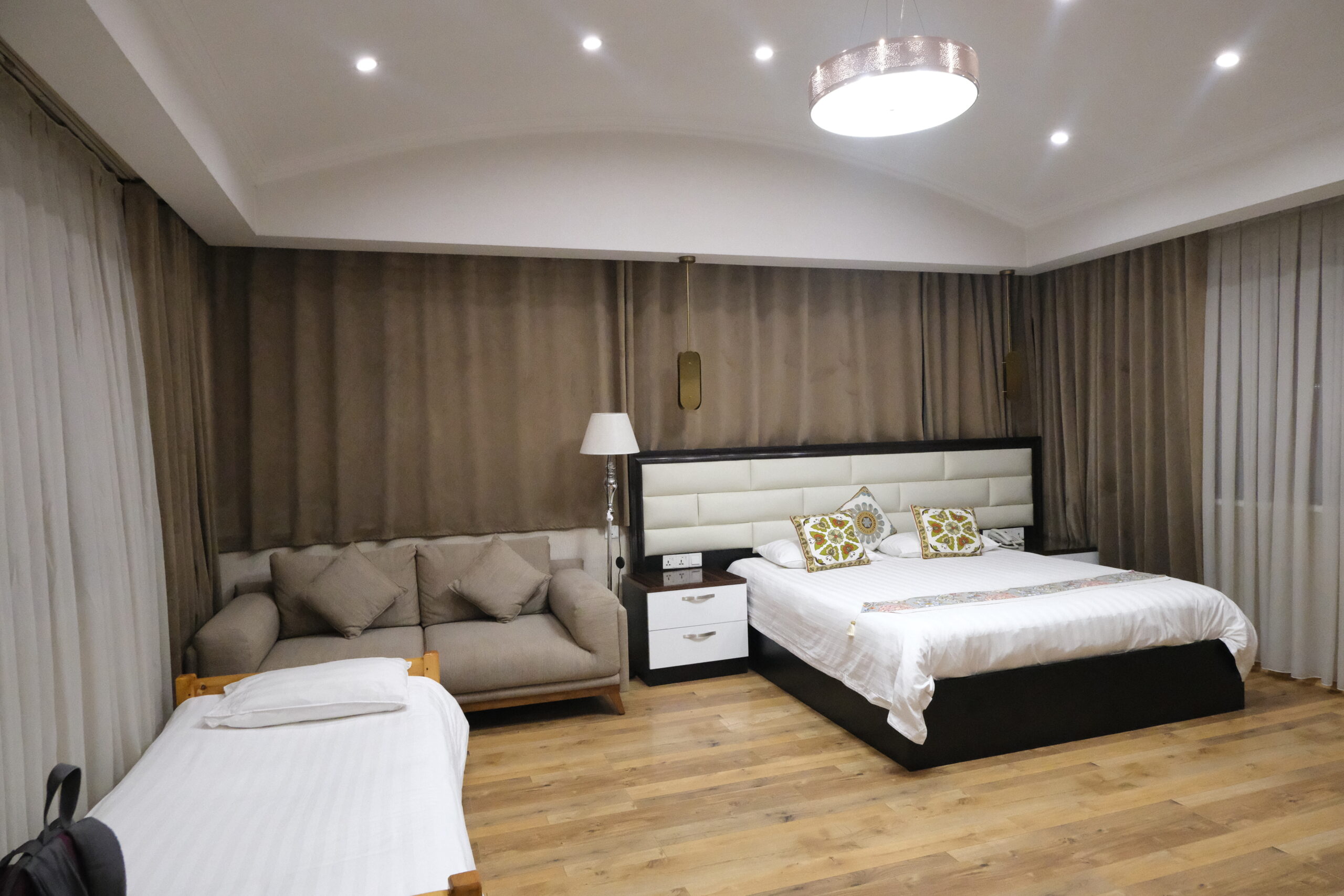
Accommodation in Tajikistan varies considerably depending on where you’re staying. In the cities, you’ll find hotels that are perfectly comfortable, while accommodation in more remote mountain areas can be much more basic.
In Dushanbe, I stayed in Hotel Atlas, near the city centre, while in Panjakent I stayed in Hotel Sugd. Both were perfectly comfortable. Hotel Atlas, being in the capital, is a pretty standard, comfortable hotel, similar to a Travelodge, while Hotel Sugd was a lovely, family-run guesthouse.
Outside of the cities, accommodation varies. In small mountain villages, you’ll find guesthouses and homestays that are usually like staying as a guest in someone’s home.
Rural Accommodation Can be Basic
At Iskanderkul, I stayed in a much more basic guesthouse. My bed was essentially a wooden block covered with a purple sheet with the word “crying” printed all over it, and the facilities were extremely limited. The toilet was a shared bucket-flush outhouse, there was no toilet paper or soap, and there wasn’t a kettle, wifi, or other hotel amenities.
I had a fairly miserable night’s sleep: it was cold, the soundproofing was poor, and there was a barking dog outside. At one point, frustrated with the lack of sleep, I took the “crying” sheets’ advice and did in fact have a little cry.
That doesn’t mean every place to stay around Iskanderkul is like this. I ended up staying here by chance – we’d originally intended to stay in the village of Sarytag overnight, but when my driver and I got there, there was a funeral taking place and it just didn’t feel right barging in looking for a bed for the night.
There are several guesthouses and accommodation options around the lake, ranging from very basic cabins to newer and more comfortable properties.
The important thing is to adjust your expectations when travelling into rural and mountainous areas. If you are planning an overnight around Iskanderkul, Sarytag (under normal circumstances) is usually the most highly recommended place to stay. This homestay in Sarytag is the one that crops up most, and you’re bound to have a much more comfortable night than my wooden block.
Food in Tajikistan
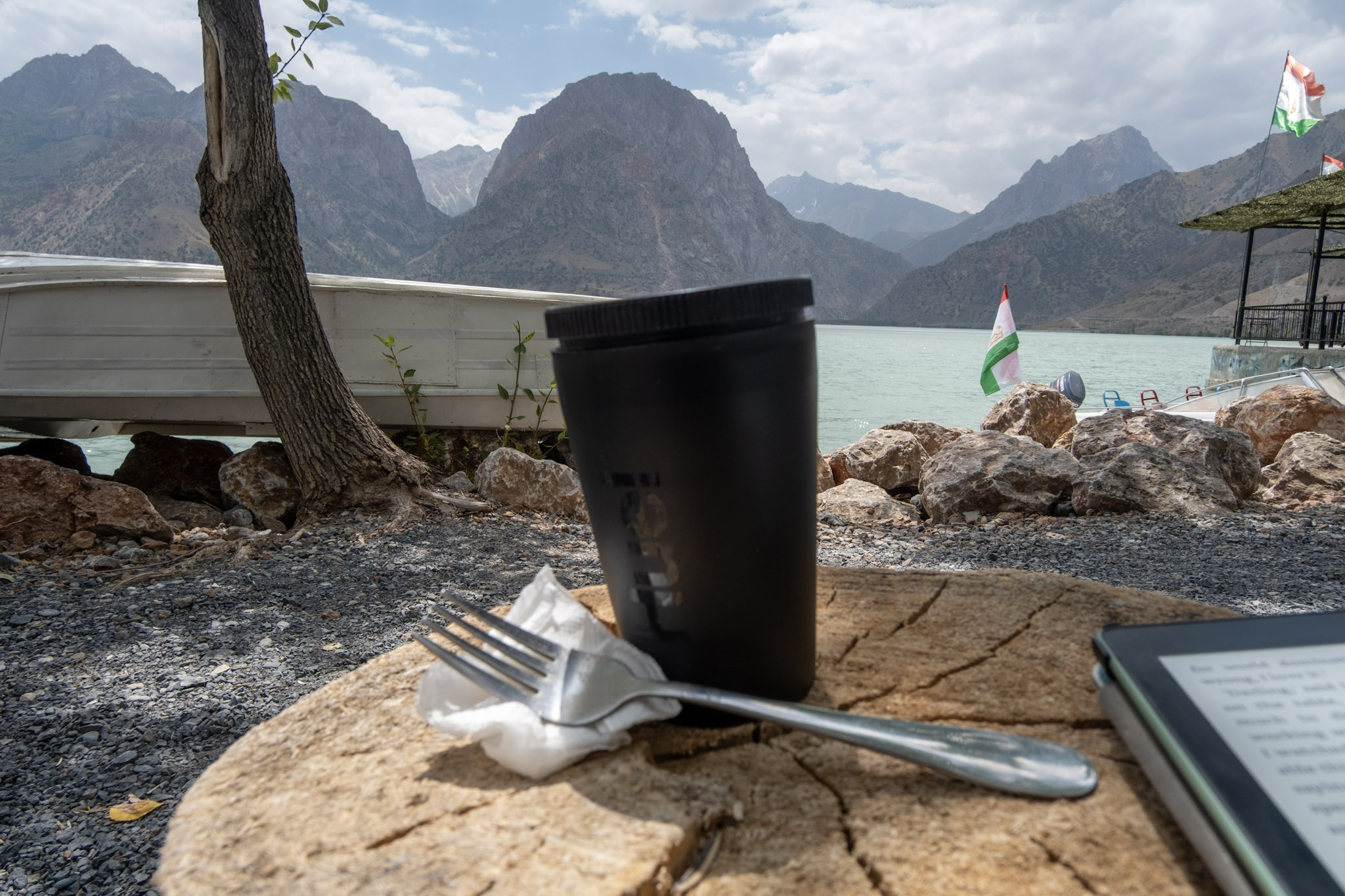
I’m vegan, so one of the most common questions I get about travelling around Central Asia is “but what do you eat?”. Honestly, not a lot. I’ve written about some of the tips I use when I travel in more remote or less vegan friendly areas. If you’re also vegan or vegetarian, you need to plan ahead before you travel to this part of the world – take it from me and a sad dinner in Uzbekistan of pistachios and warm beer.
As a vegan, I stock up on Huel before I travel to Central Asia, and it genuinely helps.
Central Asian cuisine is very, very meat and carb heavy. Each country in the region has its own specialities, and like its neighbours, Tajikistan has its own spin on plov – a famous rice dish, usually made with lamb and oxtail fat.
In the cities, you’ll find supermarkets, restaurants, cafes, and other places to get food. Dushanbe in particular has plenty of restaurants to choose from. I found a Middle Eastern restaurant, and an Indian one, and ate like a queen in both – as well as getting to try some Tajik wine!
Outside of the cities, vegan or not, the options get scarcer.
If you don’t have any allergies or dietary requirements, you’re not going to go hungry, but I still think it’s wise to stock up on some non-perishable snacks.
Staying Connected
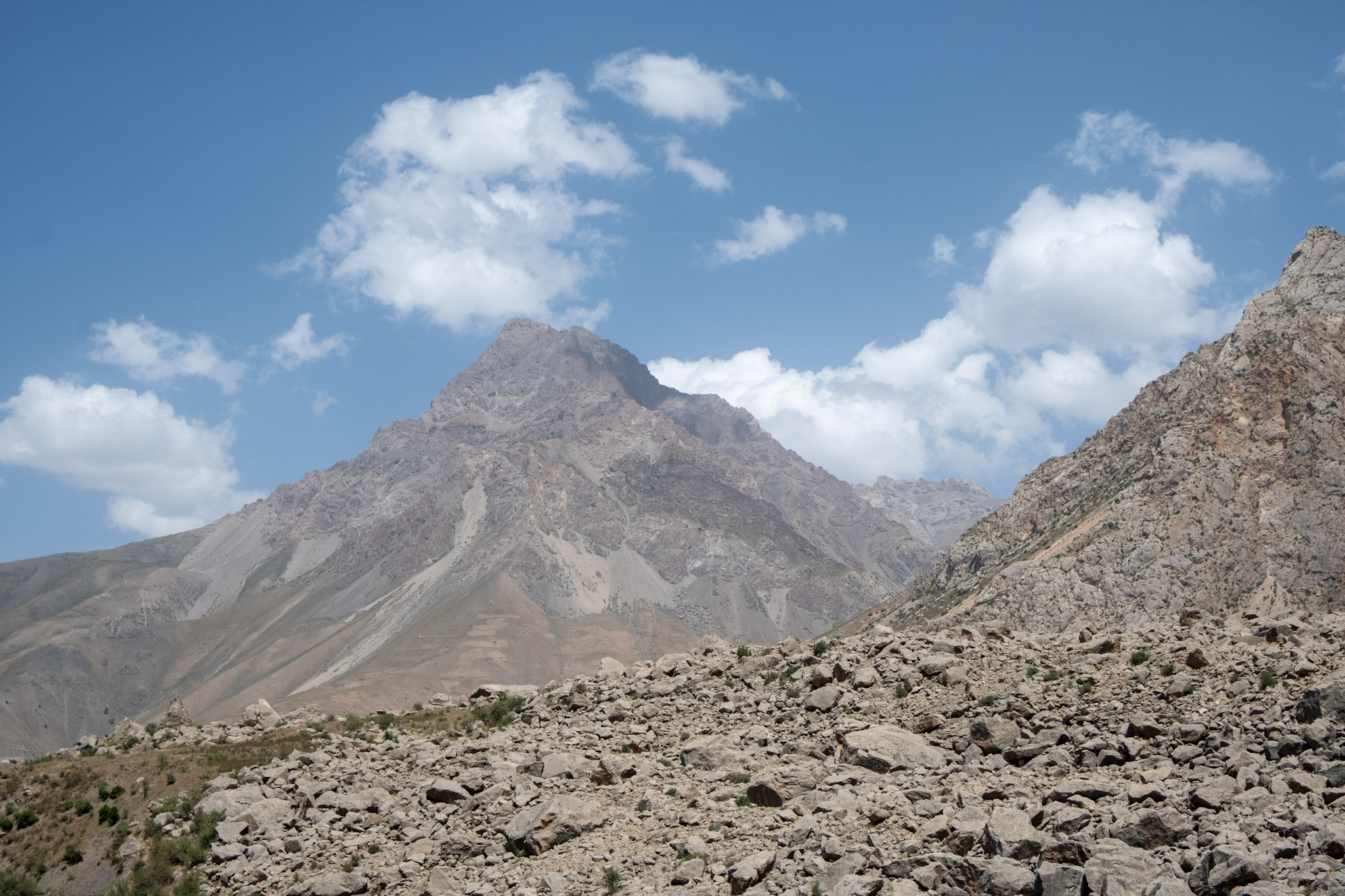
I’ll say this upfront: You’re going to need an e-sim. If you don’t speak Tajik or Russian, you’ll constantly be translating menus, instructions to taxi drivers, or questions about directions, transport or similar. I bought this one from Airalo, and it worked fine in Dushanbe and Panjakent.
Once I got out to the mountains though, signal dropped. Don’t bank on wifi in your accommodation either. The campsite I stayed in had none, and it’s not uncommon for homestays and guesthouses to have no internet connection either. If you’re planning on doing an overnight out in the mountains, let someone know where you’re going and how long you’re planning to stay.
I had a… situation in Thailand once where I swanned off to stay in a floating lakehouse, boldly assuming I’d have internet. I did not and I was gone for nearly 48 hours. Back in London, my husband had no idea where I’d gone, and reverse image searched a photo I’d sent him of my last hotel, got in touch, and they cheerfully told him “Yes, we saw her leave for the lake this morning!” The poor man assumed this meant a day trip, and was on the verge of contacting the Irish embassy in Bangkok when I re-emerged, completely oblivious.
Don’t be like me: Check for confirmation of internet access in places you’re staying, and if you can’t find it, err on the side of caution and share your itinerary with your loved ones.
What to Pack
Packing for your first time in Tajikistan depends hugely on your itinerary, but if you’re heading into rural or mountainous areas, there are a few things I’d make sure you have with you.
- A small microfibre towel. Some rural accommodations or bathrooms won’t have towels or hand driers, so you’ll thank yourself for having one with you.
- Toilet paper and hand sanitiser. Don’t assume either will be available in rural areas or public toilets.
- Warm layers. Mountain temperatures can drop considerably in the evening, even when the daytime is warm. I spent a night in Kyrgyzstan with every item of clothing I owned on my body, and socks on my hands. You don’t necessarily need a full puffy coat, but layers you can take on and off are handy.
- Comfortable shoes with good grip, or hiking boots. You’ll likely encounter uneven ground, particularly if you’re hiking or exploring outside the cities.
- Plenty of non-perishable food if you’re vegan or have dietary restrictions. Huel is honestly a godsend in these situations. I buy a couple of boxes of their meal packs, and as long as I’ve got access to hot water, I can feed myself. Food options become very limited once you’re outside Dushanbe, so I was glad I’d brought supplies with me.
- Offline maps. Mobile coverage isn’t reliable everywhere, particularly in the mountains.
Is Tajikistan Right for You?
If you’re someone who enjoys beach holidays, comfortable hotels, or any kind of luxury, then no. Although, I suspect if you’re reading this post, you’re more likely someone who isn’t afraid of a little adventure.
If you’re someone who is drawn to mountains, hiking, dramatic landscapes and travelling somewhere that requires a little more flexibility, then there’s a lot for you in Tajikistan.
Tajikistan isn’t an easy destination in every aspect. Roads can be rough, rural accommodation can be very basic, internet access isn’t always reliable, and the language barrier can make everyday travel more complicated than it is in neighbouring Uzbekistan.
If you’re travelling solo, especially as a woman, you’re likely to have long periods of solitude, and there isn’t the same backpacker culture that you’ll find in other countries.
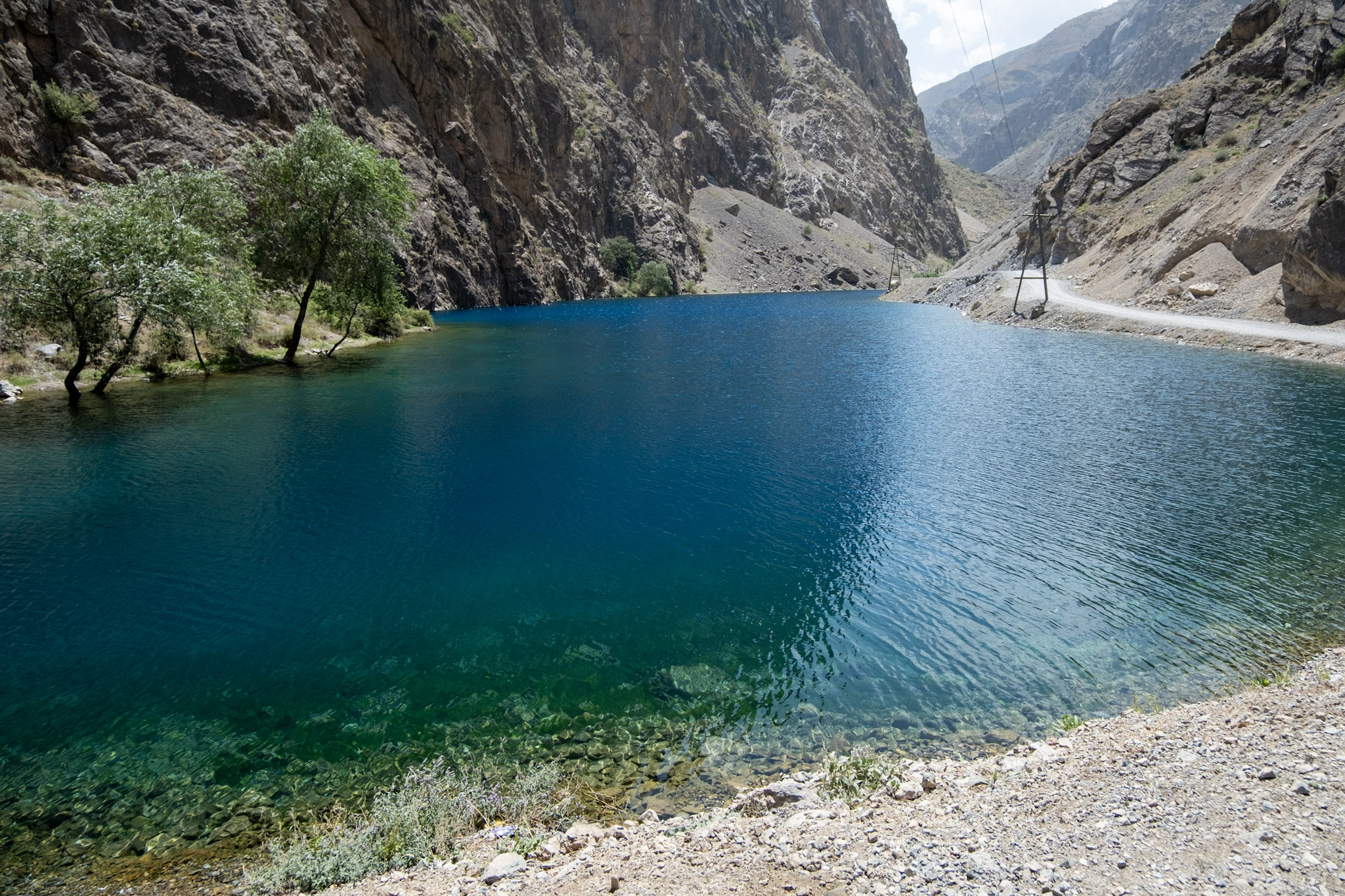
But if you’re willing to accept those challenges, the rewards are great. The mountains are spectacular, journeys take you through some extraordinary landscapes, and travelling with a local can give you an insight into everyday life that you just won’t get from staying in the conventional tourist bubble.
🟢 Go to Tajikistan if you…
- Enjoy mountains and hiking more than sightseeing in cities.
- Are okay with using outhouses and feeling a bit grotty sometimes.
- Don’t mind long or uncomfortable journeys to reach beautiful places.
- Are comfortable adapting when things don’t go exactly to plan.
- Don’t need a four star hotel and you’re okay with basic accommodation.
- Are happy in your own company, and can deal with having no internet for a couple of days.
🔴 Tajikistan might not be for you if you…
- Get carsick or restless on long journeys.
- Prefer to spend your holidays in comfortable hotels.
- Want a bustling nightlife and social scene.
- Are working remotely or need reliable connectivity.
- Don’t enjoy hiking or have mobility impairments.
Conclusion
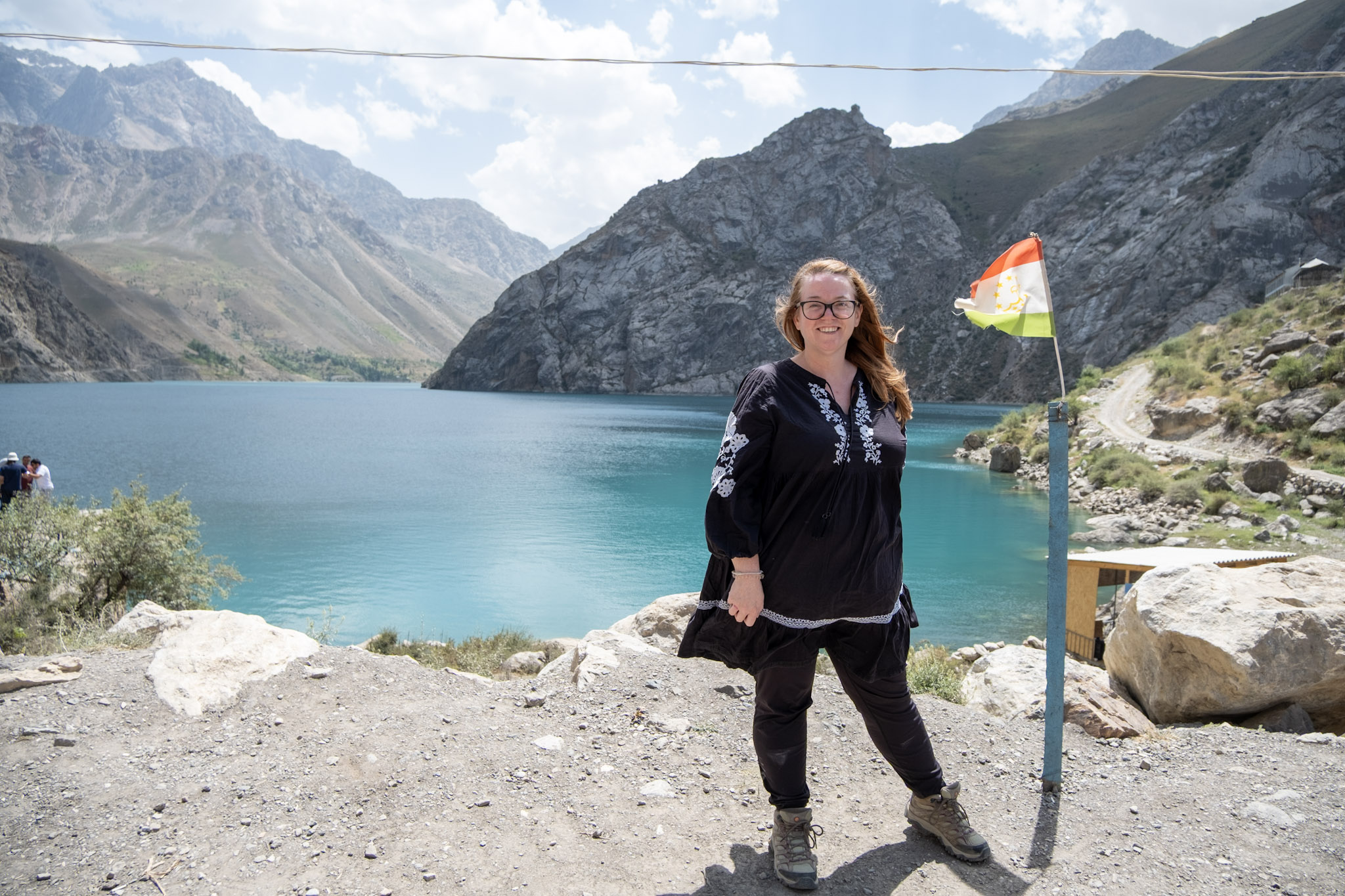
I’m really glad I went to Tajikistan. A friend once asked me why I like solo travel so much, and I told her “it makes me feel brave”. Nowhere has this been more true than in Tajikistan. Sure, I’m not exactly climbing Everest here, but it pushes me way outside of my comfortable life and my comfort zone. I got to see some of the most stunning natural beauty, I learned about a culture completely different to my own, and I got to experience a bit more of this beautiful world we live in.
My first time in Tajikistan may have touched on many of the highlights of the country, but it was still a world away from a homogenised, mass produced tourist experience.
That being said, I wouldn’t be as quick to return as I would be to Uzbekistan. I actually crossed into Uzbekistan from Tajikistan before heading home, and I’d be lying if I said I wasn’t immensely grateful to be parked in my Samarkand hotel’s rooftop bar that evening.
I found the trip uncomfortable, and I surprised myself with that. The language barrier, and long periods of solitude hit me harder than I thought they would, and I’m just so grateful that I was travelling with Muhammad as it made the trip less lonely. Maybe I’m not as brave as I want to be?
The food was also a bigger challenge for me than I expected too. I’m used to travelling as a vegan and generally pretty good at getting by with Huel and whatever food I can find, but in Tajikistan I found myself relying on the food I’d brought from home much more heavily than I usually do. Outside Dushanbe, genuinely vegan options were extremely limited.
None of that means I regret going. Very much the opposite, and I stand by what I said about the beauty of the country and how lucky I am that I got to see it firsthand. My first time in Tajikistan challenged me, but I think it was meant to.
For someone else going, I wouldn’t discourage you, but I would be realistic about the challenges, as I hope I have been in this post.
Tajikistan is beautiful, challenging, welcoming, unexpected, and rewarding all at once. Not everywhere we travel will be somewhere we want to return to, but this trip was worth the journey – and the “crying” sheets.
