
Uji Day Trip: The World of Matcha and Ancient Temples
Introduction: Japan’s Tea Capital
As I write this, it’s a grey November day in London. I’ve got a cup of matcha in front of me, a souvenir from an Uji day trip on my most recent trip to Japan. If, like me, you’re a tea-lover, then the name Uji may already be familiar to you. It’s often called the tea capital of Japan, and for good reason. Uji has been one of Japan’s biggest producers of tea for over 800 years, and it’s most famous for its bright green matcha and high quality sencha teas.
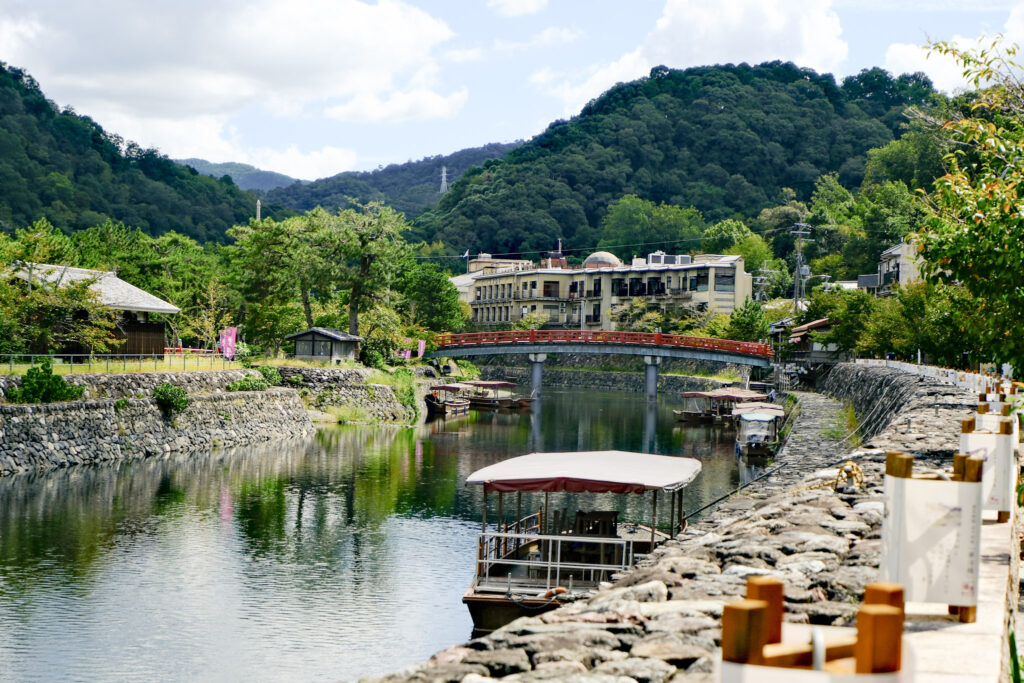
It’s also a beautiful town, with historic temples and peaceful riverside walks. Located between Kyoto and Nara, it’s easy to get to from both Kyoto and Osaka, and quieter than other tourist spots around the same area.
Is Uji Worth Visiting?
An Uji day trip is absolutely worth considering for your Japan itinerary if you love matcha, quiet temples, and skipping the Kyoto crowds.
It could very easily be a half day if you tied it in with a Nara day trip or evening activities back in Kyoto or Osaka, or even a full day if you really wanted to take it at a slow pace.
In this post, I’ll bring you through the history behind the town, how to get there, and an itinerary for a perfect day in Uji.
Uji: The Story Behind this Peaceful Town
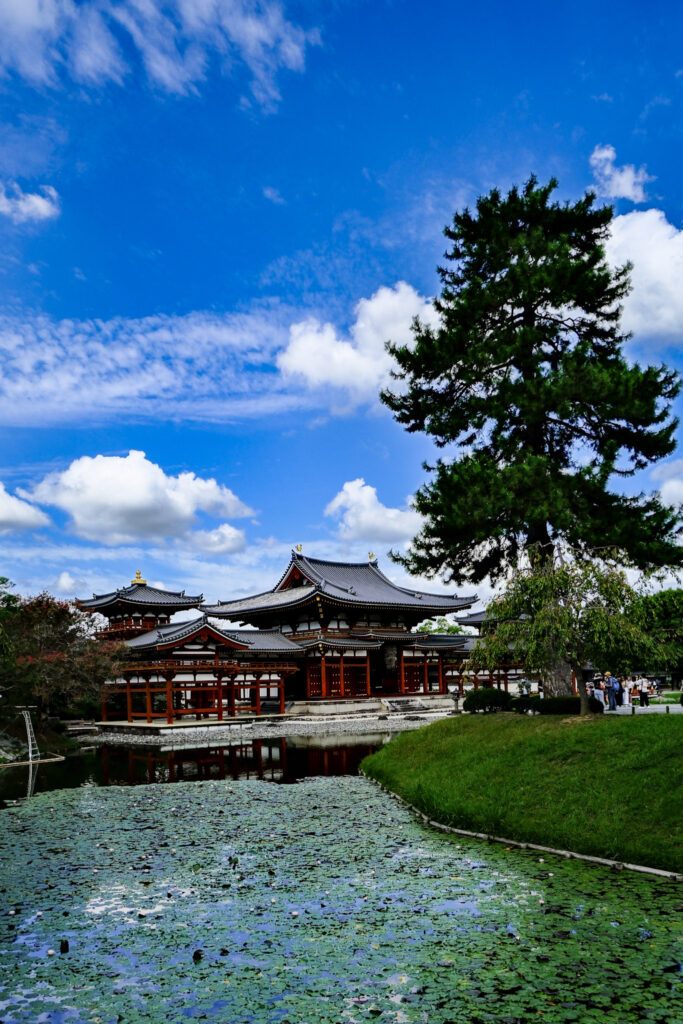
Uji has been an important settlement in Japan since the 4th century, when Emperor Ojin established his palace there. Uji Bridge, constructed around 646 AD, became an important thoroughfare to connect the ancient capitals of Kyoto and Nara with the southern provinces.
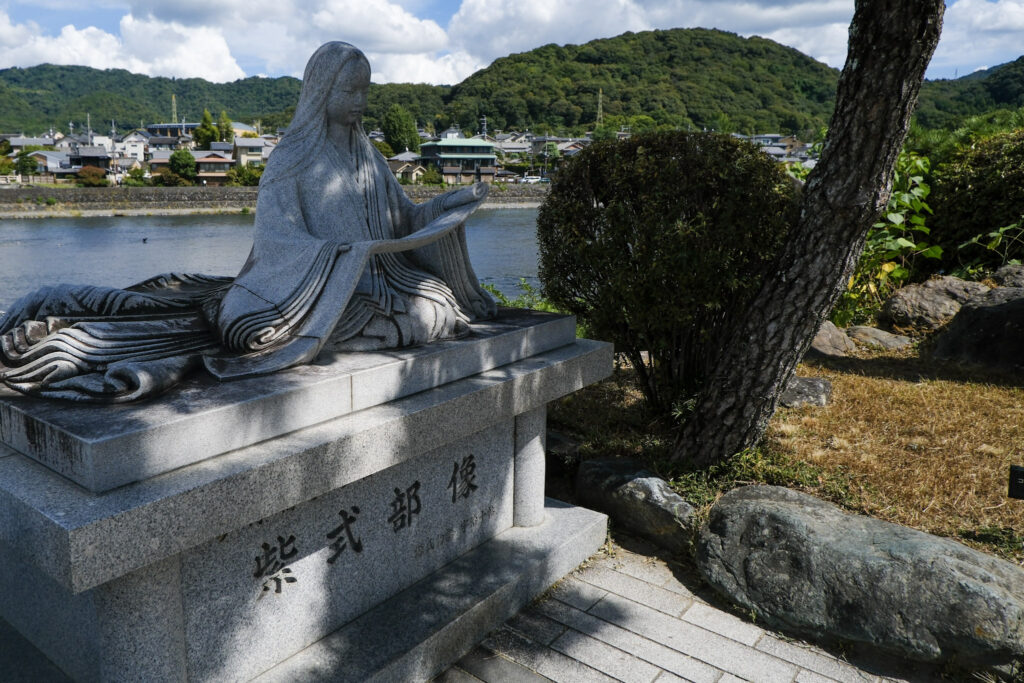
The city rose in prominence with the publication of noblewoman Murasaki Shikibu’s The Tale of Genji, often considered the world’s first novel. The final chapters of the book are set in Uji, and a statue of the author sits next to the iconic bridge today.
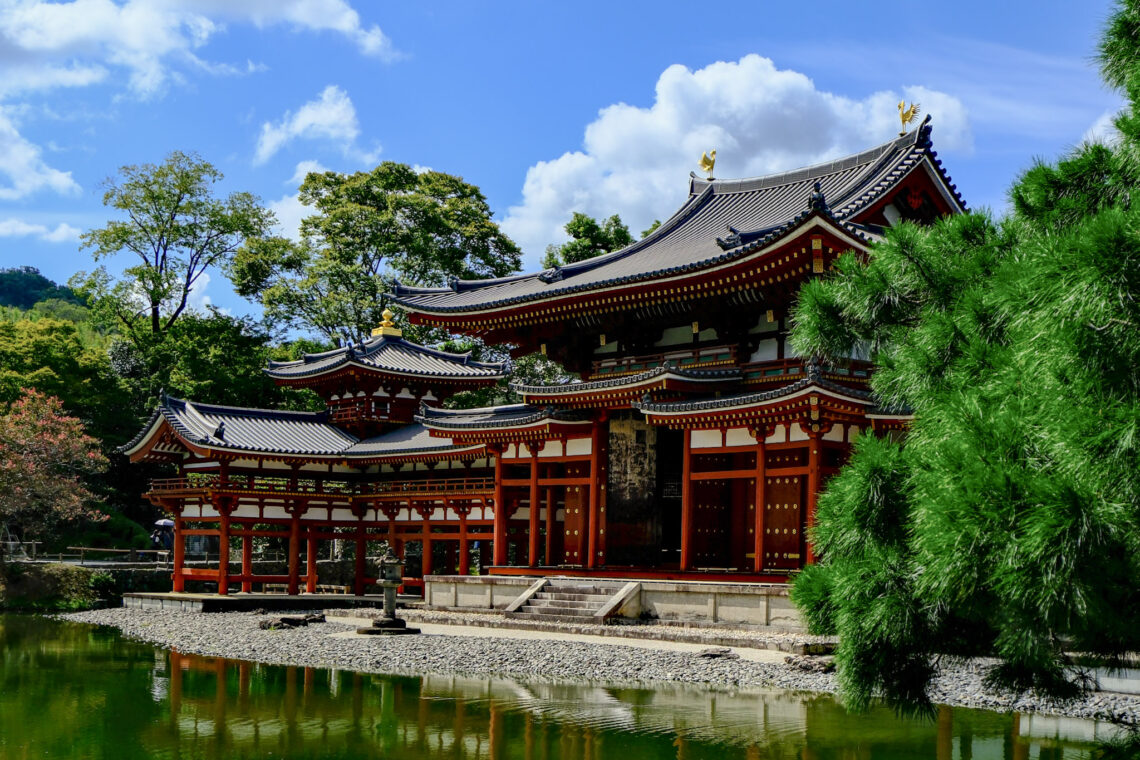
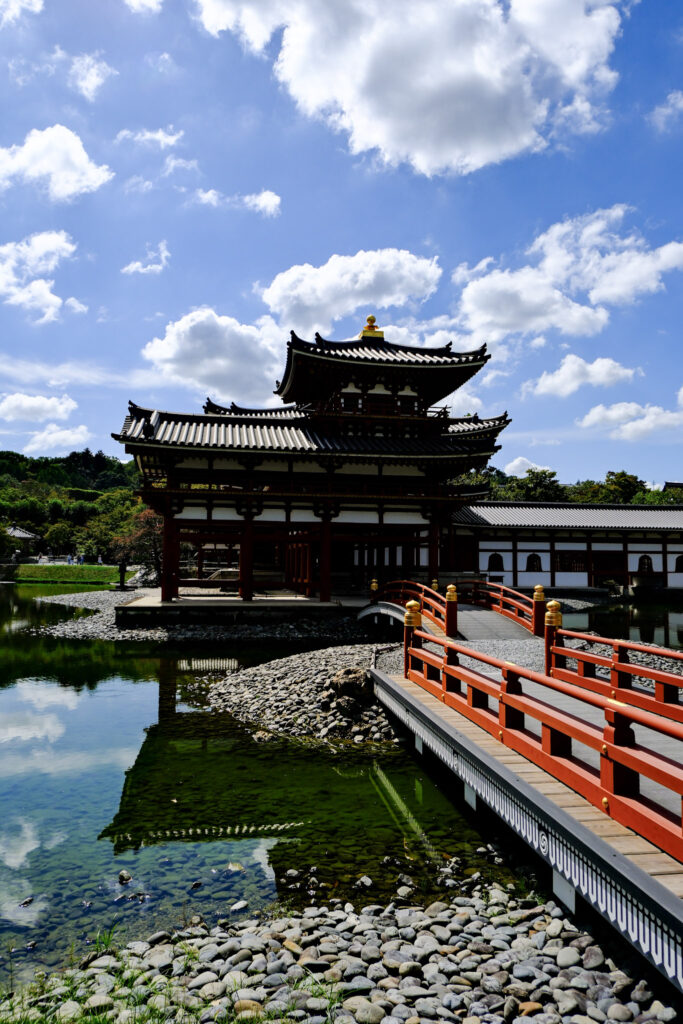
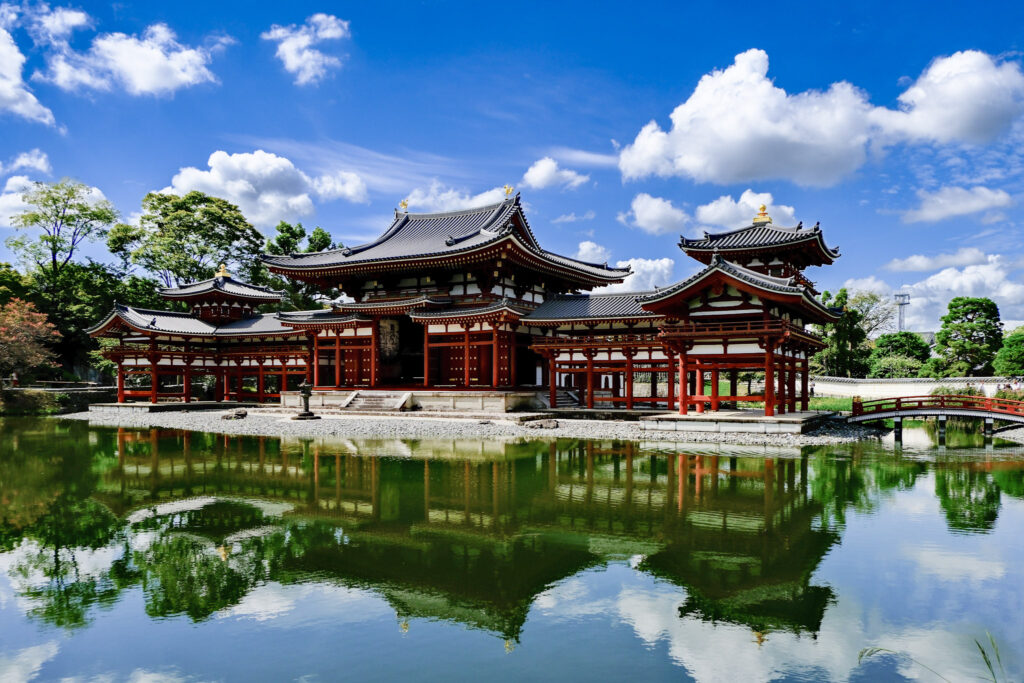
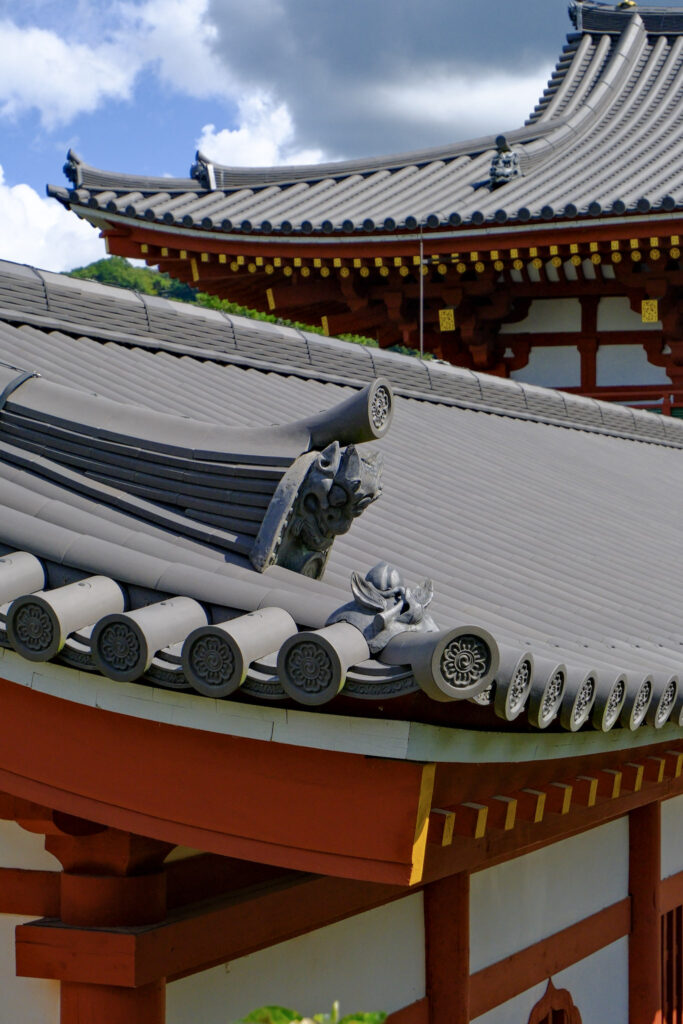
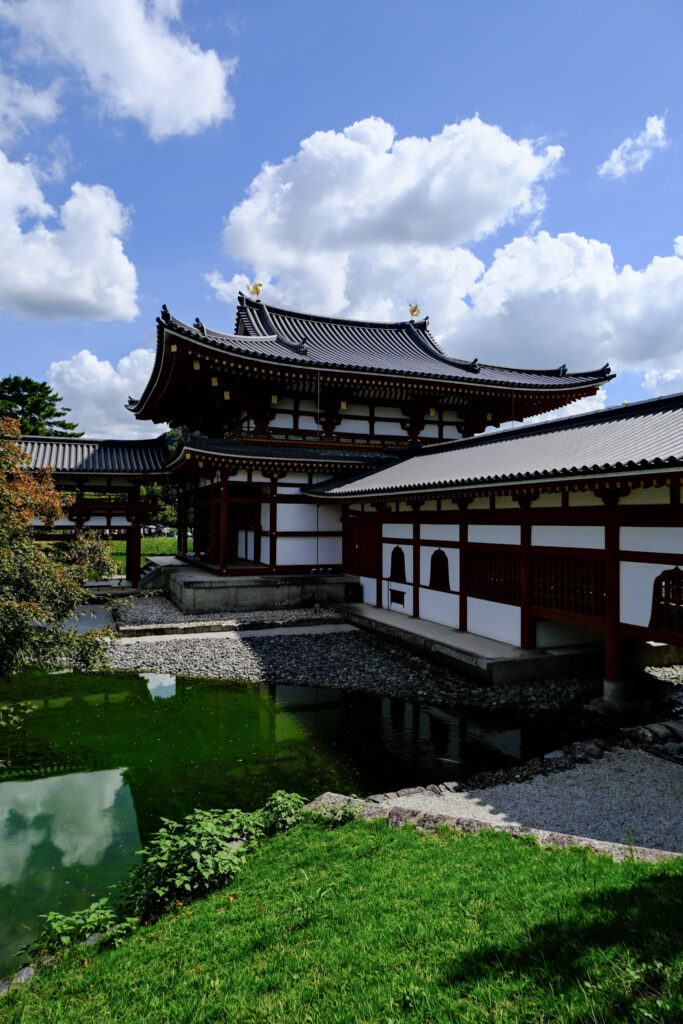
Around the same time of the book’s publication, the Byodo-in Temple was constructed. This temple is a UNESCO World Heritage Site, and its centrepiece is the Phoenix Hall – the only original structure remaining. The Phoenix Hall features on the 10-yen coin, while the phoenix statue from its roof is on the 10,000 yen note.
Today, Uji is most famous for its tea production. The surrounding areas of the city are the ideal climate for growing tea, and it’s officially designated as a honba (main production area, similar to DOCG in Italy, or AOC in France). Most of Uji’s tea production comes from small, family-run producers who keep historical techniques and produce high quality of tea.
As matcha became more popular around the world, Uji’s main street has changed from a local tea market into a full-fledged shopping street, full of tea shops of souvenirs for enthusiasts like me to bring home from their Uji day trips.
Getting There
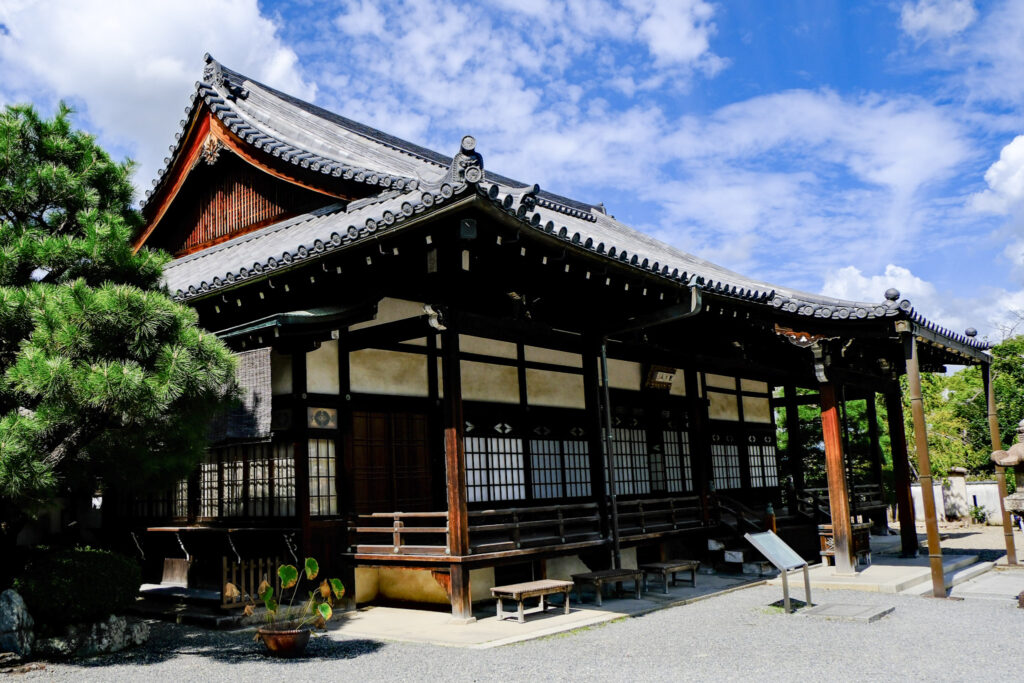
There are two stations in Uji: the JR station and the Keihan station. The two are connected by Uji Bridge, and are about a 10 minute walk from one to the other. Uji isn’t a large town, so either station will get you where you want to go, and will depend on whether you’re travelling by JR (especially if you have the pass, and I’ve written a full guide here), or the private Keihan line.
From Kyoto
If you have the JR Pass, you can take the JR Nara Line train from Kyoto station to Uji. The rapid train takes about 20 minutes, while the local one is about 30 minutes. Without a pass, the fare is about ¥240 one way.
If you’re travelling from the Gion area, you can take the Keihan Railway to Uji, changing at Chushojima. It’ll take you less than half an hour, and cost about ¥680, and is not covered by the JR Pass
From Osaka
From Osaka, you’ve got a couple of options. If you have the JR Pass, you could take a JR limited express train to Kyoto and change for the Nara line, giving you a total travel time of about 70 minutes. Without a JR pass, the cost is about ¥2,050 one way, making the private Keihan railway cheaper.
Alternatively, you could travel from Yodoyabashi or Kyobashi stations in Osaka on the Keihan Railway, changing at Chushojima station. It’s not covered by the JR pass and a one way trip will cost about ¥490 and take about an hour.
The Itinerary
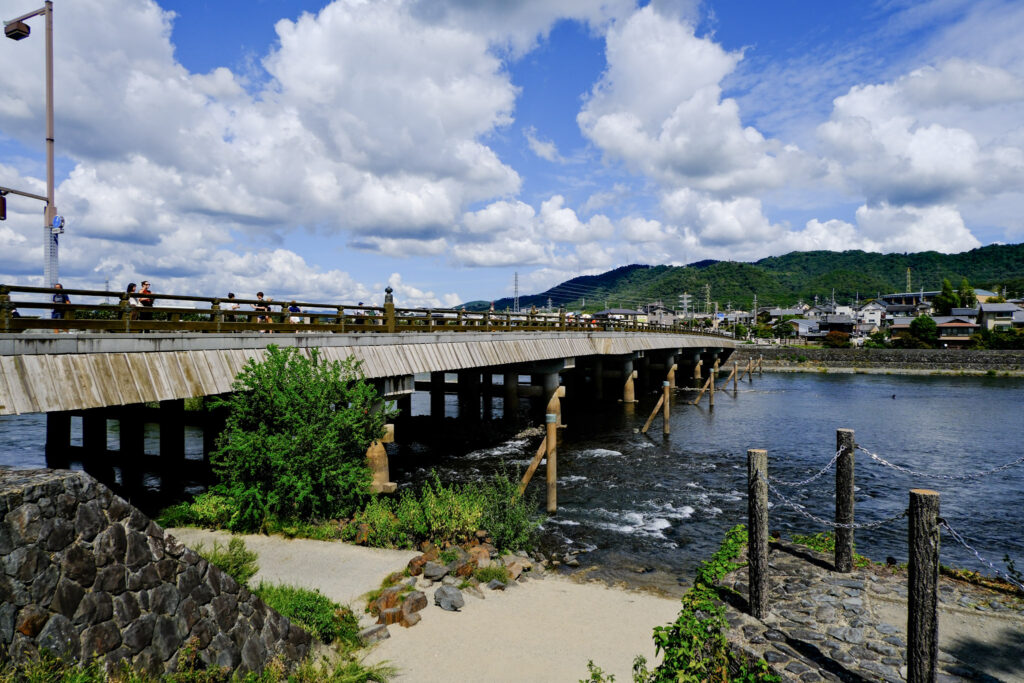
On my own Uji day trip, we did the below itinerary the other way round. I really wished we’d started with the tea museum. It’s a really well laid out museum, and I felt like I learned quite a bit about tea production and the different types of tea grown in the area. If I’d had this information before going shopping, I’d definitely have picked up a few more teas, so I’ve laid out the below itinerary based on what I think the best plan would be.
Morning: The World of Matcha
Start with the Chazuna Tea Museum before you do anything else. Tickets are cheap, at only about £3 per person. I planned this poorly, dropping into the museum before getting a train back to Kyoto, and it was too late in the day to go back to the shopping street or take part in the matcha grinding classes the museum runs, so learn from my mistake!
You can buy tickets alongside the matcha grinding experience, and I’d strongly recommend booking in advance as they do sell out (again, speaking from experience).
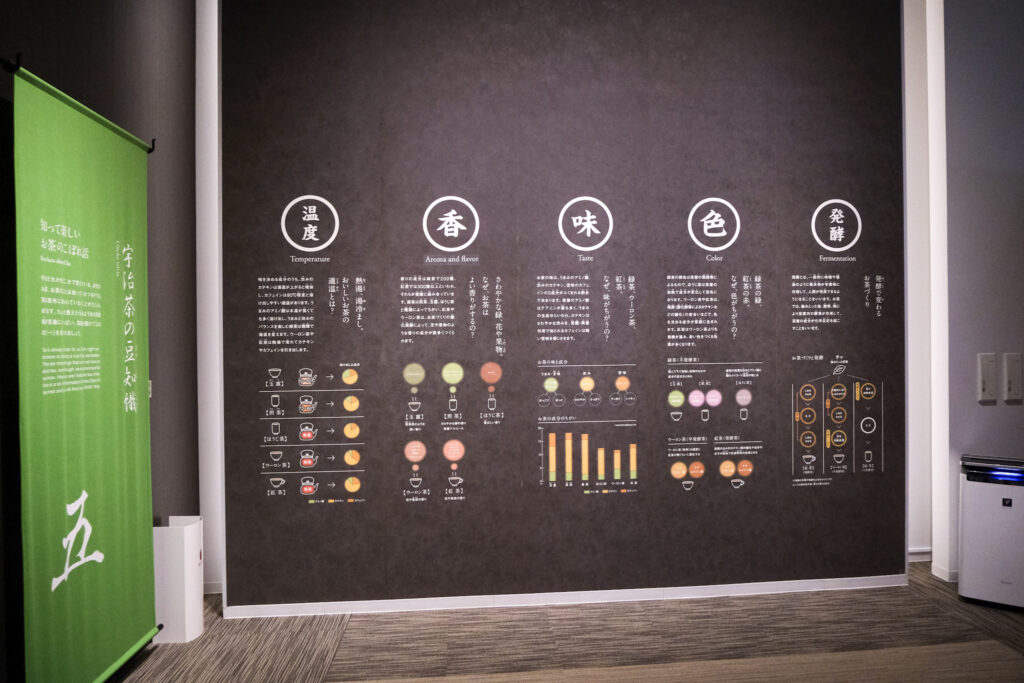
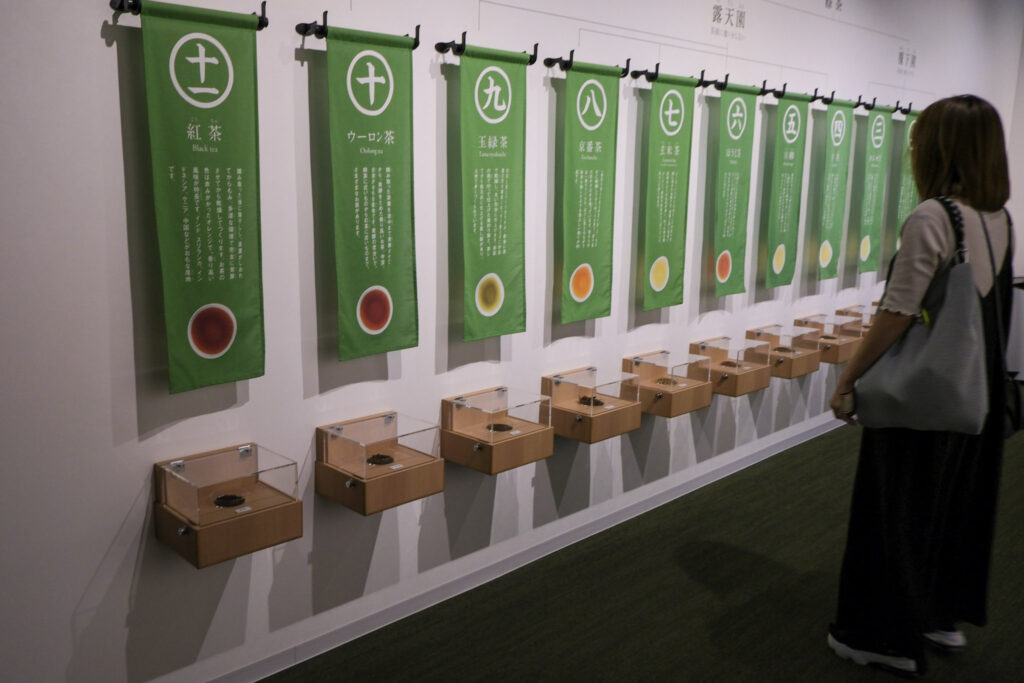
The museum is quite small, but really thorough, so give yourself at least an hour in the museum to explore and learn. There, you’ll learn about the different types of tea produced in the Uji reason, as well as the whole production process. There’s so much work that goes into getting those leaves into your daily brew, and it’s genuinely fascinating.
Most of the exhibition is in Japanese. There is wifi in the museum, and they have an app with an audio guide for foreign travellers. From the museums I’ve visited in Japan, this has been quite common, and I’ve been glad to have had an esim to be able to use Google Translate as I go.
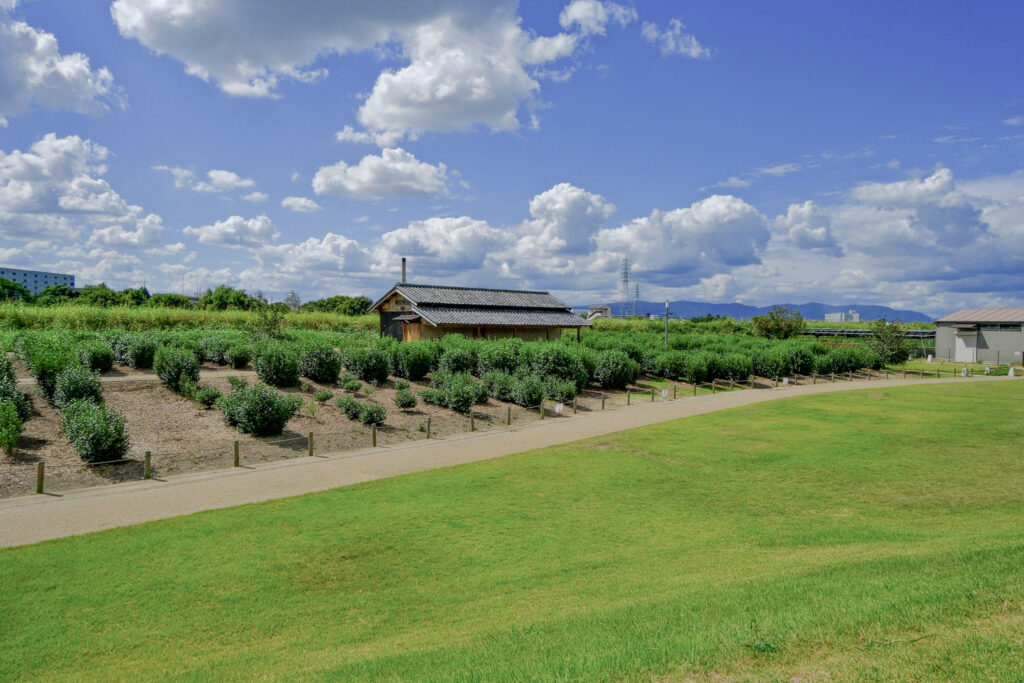
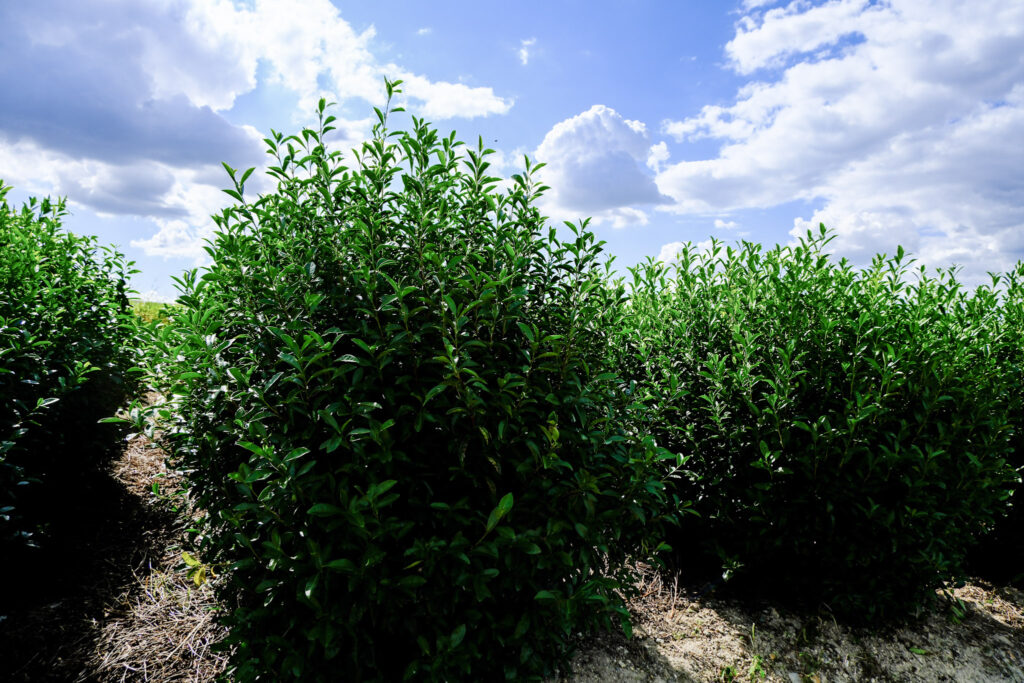
At the end of the museum, after the section on tea, there’s a second room that takes you through the history of Uji itself. Again, most of it is in Japanese, but the audio guide is a good accompaniment. Outside the tea museum, you’ll also find a small tea plantation. Most of the tea plantations are outside of the city itself, so it’s lovely to be able to see these plants up close.
Coming out of the museum, it’s less than a ten minute walk to Uji’s main street, where you’ll find more tea shops than you can count. Having learned more about the different types of tea and their production, you’ll be able to browse the shops and appreciate the work and history that goes into each cup.
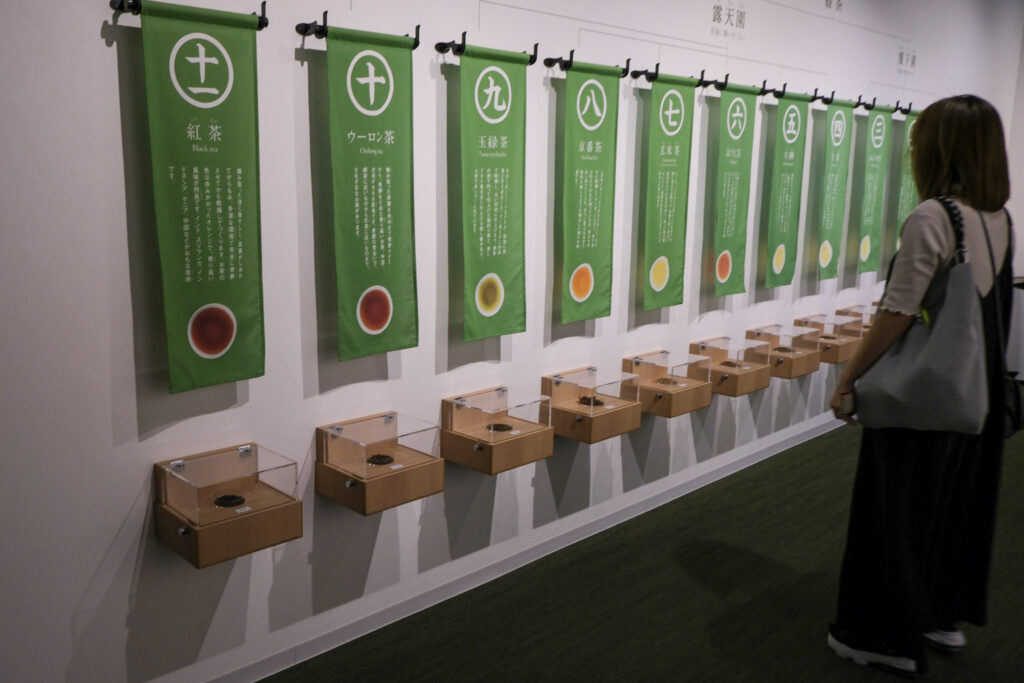

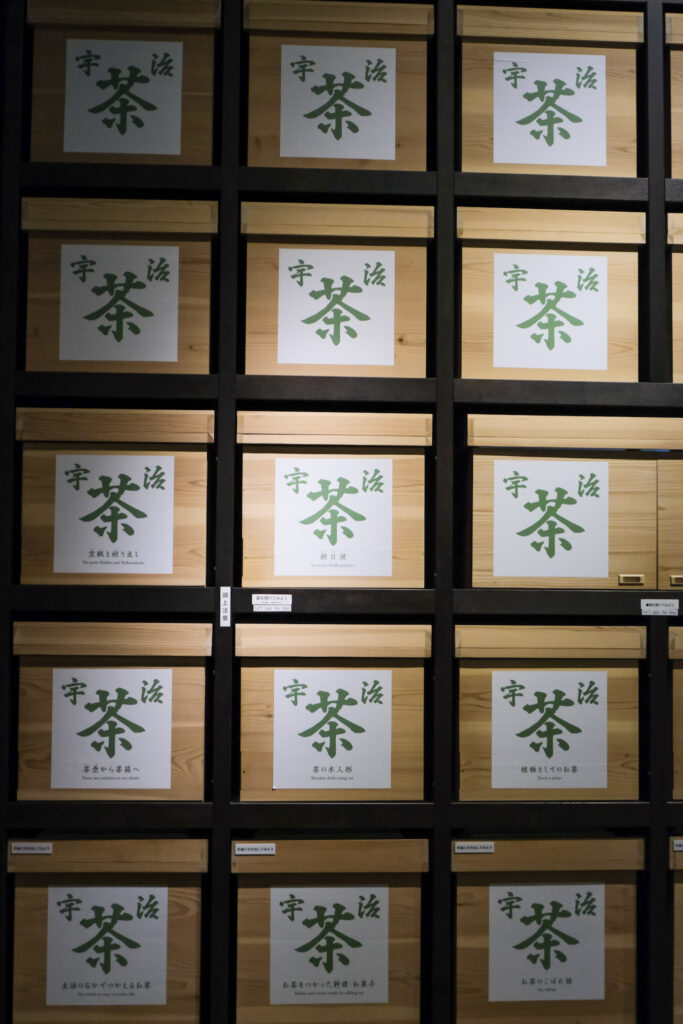
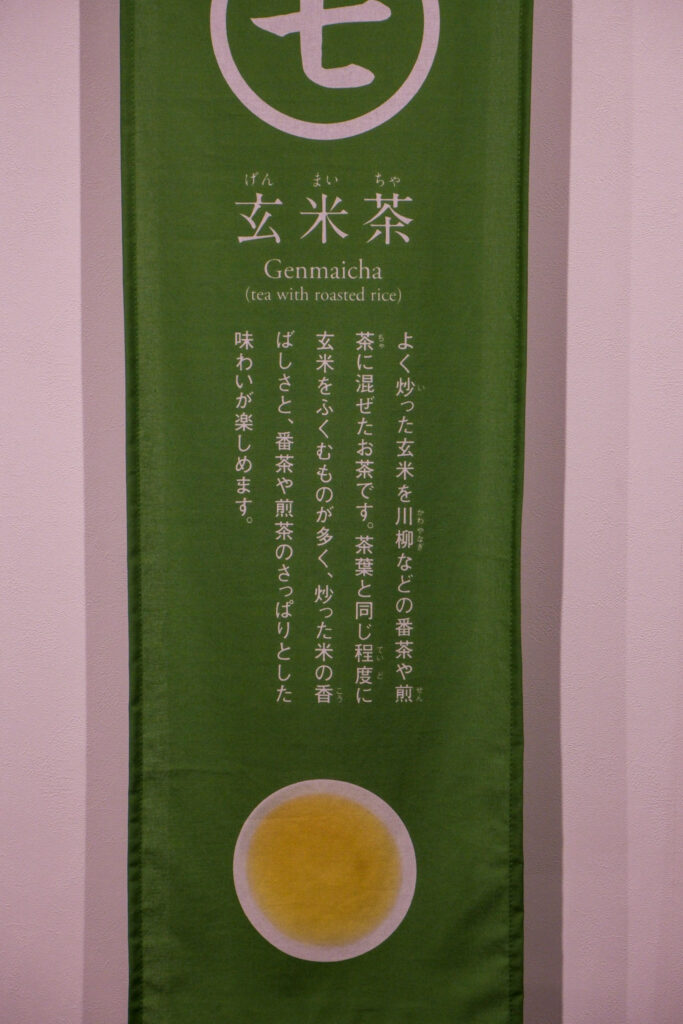
Afternoon: Culture and Classics
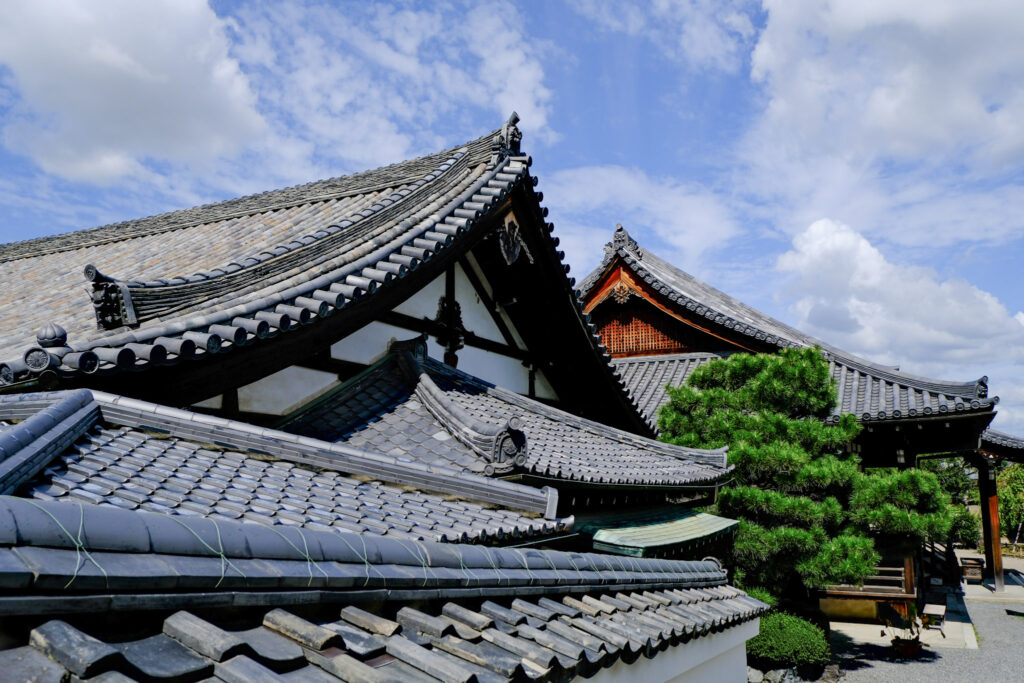
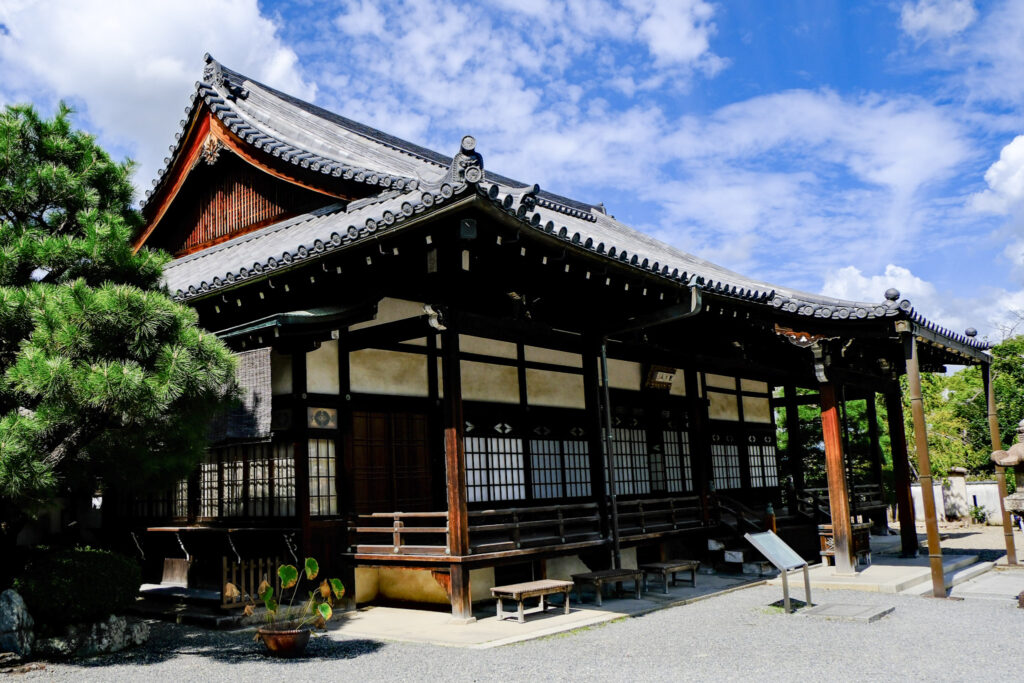
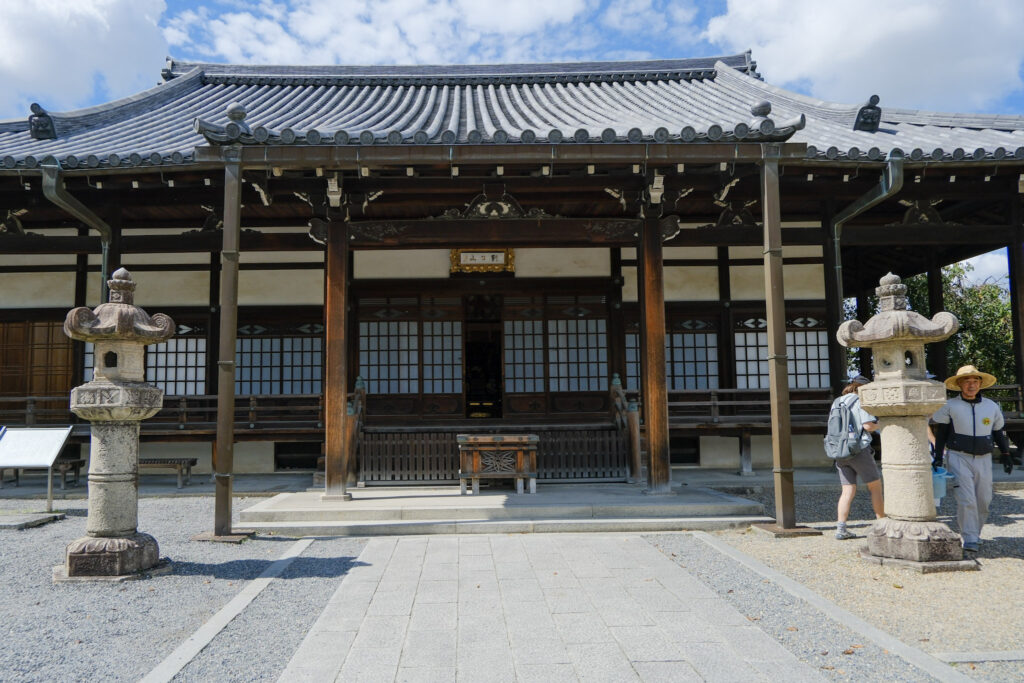
After a stroll along the shopping street, and maybe a break for a cup of tea or some matcha-flavoured treats, make your way to Byodo-in Temple. The temple is well signposted and easy to find towards the top of the shopping street.
The temple, as I mentioned earlier, was built in the late 10th century in the Heian period. It was originally a villa for a courtier and minister, and converted into a Buddhist temple.
The temple complex is set on large grounds, with the Phoenix Hall in the centre of it all. The temple’s website has two walking courses, 50 minutes and 90 minutes.
Each course takes you around the large pond in the centre of the gardens, with a stop in the Hoshokan Museum.
The museum is well worth a visit. It’s beautiful inside, low lit with stone and wood walls, showcasing treasures from the temple and complex’s history. Most of the museum is underground so as not to spoil the aesthetics of the ancient temple grounds.
As well as items from the temple’s history, the museum has artefacts that were excavated at the time the temple was founded.
Byodo-in Temple is open from 8:45 to 17:30 each day, while the museum closes at 17:00. An adult entrance fee will cost you ¥700, which includes access to the museum. Visiting the interior of the Phoenix Hall is an additional ¥300.
After the temple, you may choose to take a walk along the river, stopping for a bite to eat or a cup of tea before heading back to the train stations.
The Shopping Experience
Uji’s Shopping Street
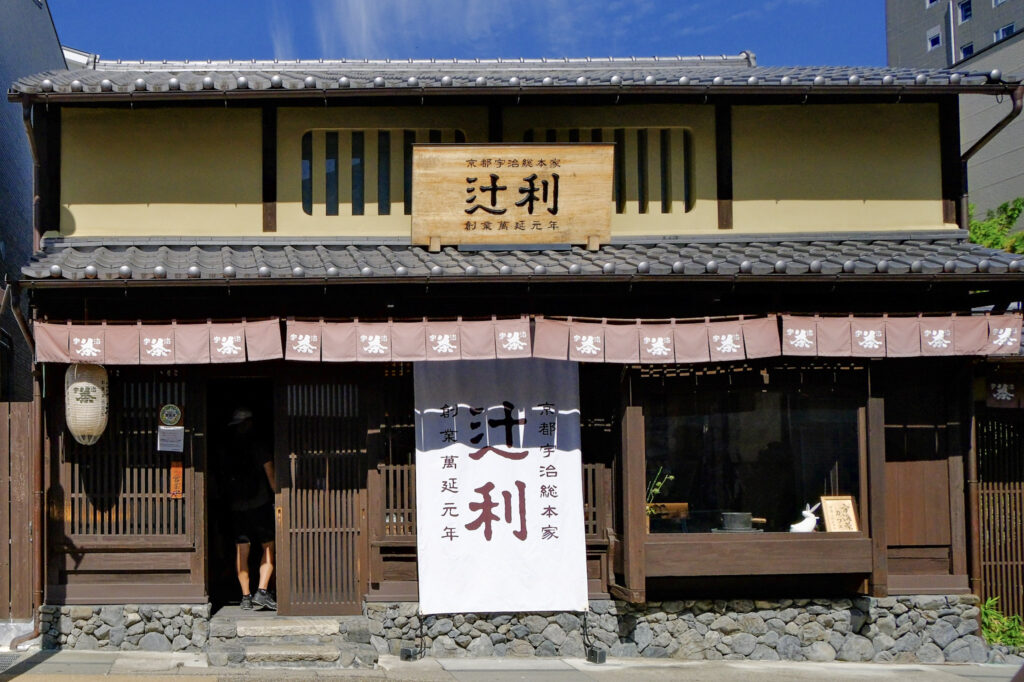
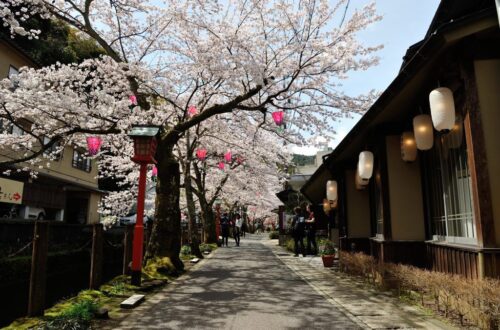
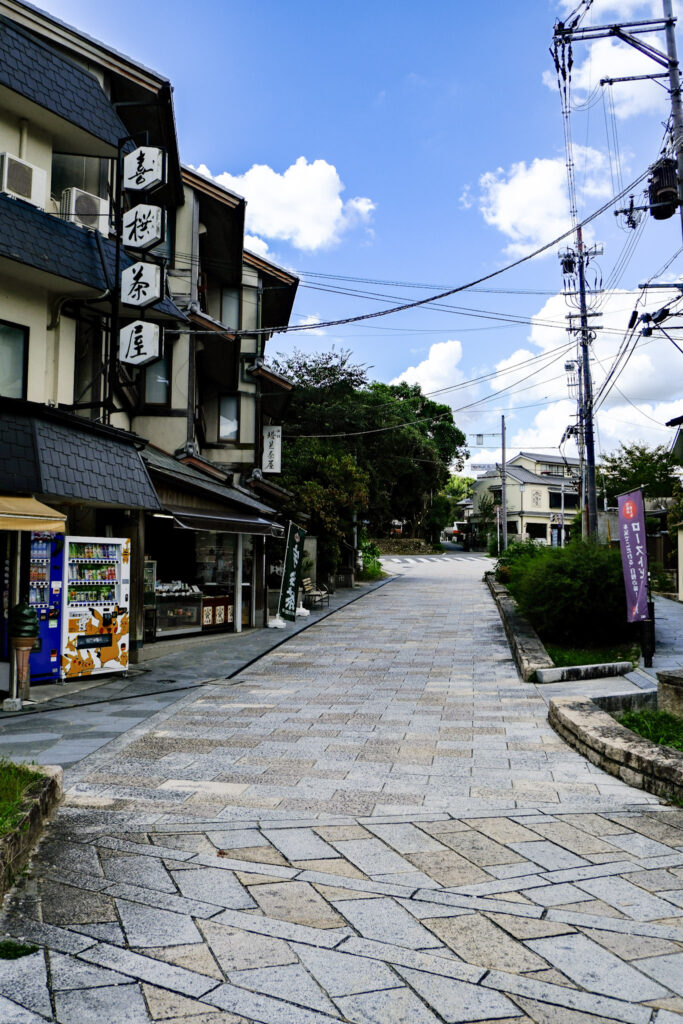
The main street of Uji is Byodoin Omotesando, a 300 metre street that leads from Uji Bridge to the Byodo-in Temple. It’s a pedestrianised street lined with tea shops and shops selling souvenirs to take home. Walking along it, you’re immediately met with bright green matcha tins on display, bags of roasted hojicha and matcha-flavoured everything.
Because this is the main shopping street in the city, it naturally attracts tourists, but the crowds are milder than you may find in, say, Kyoto’s Nishiki Market. Despite being a tourist hub, you’ll also see locals and serious tea enthusiast perusing the shops, and there’s still a genuine focus on quality and craft rather than generic souvenir shops.
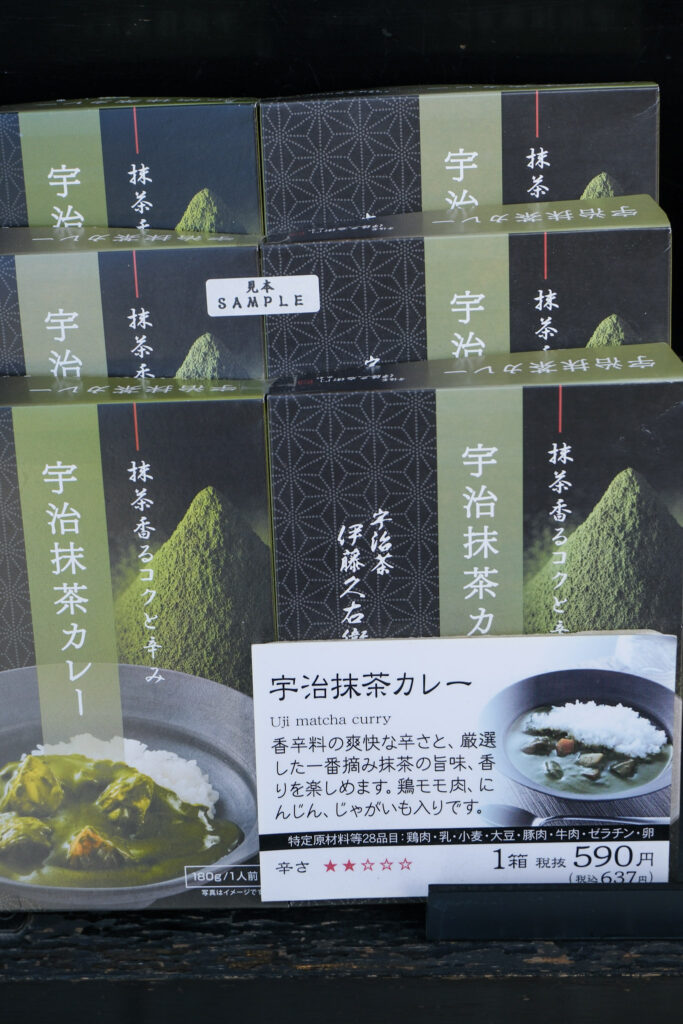
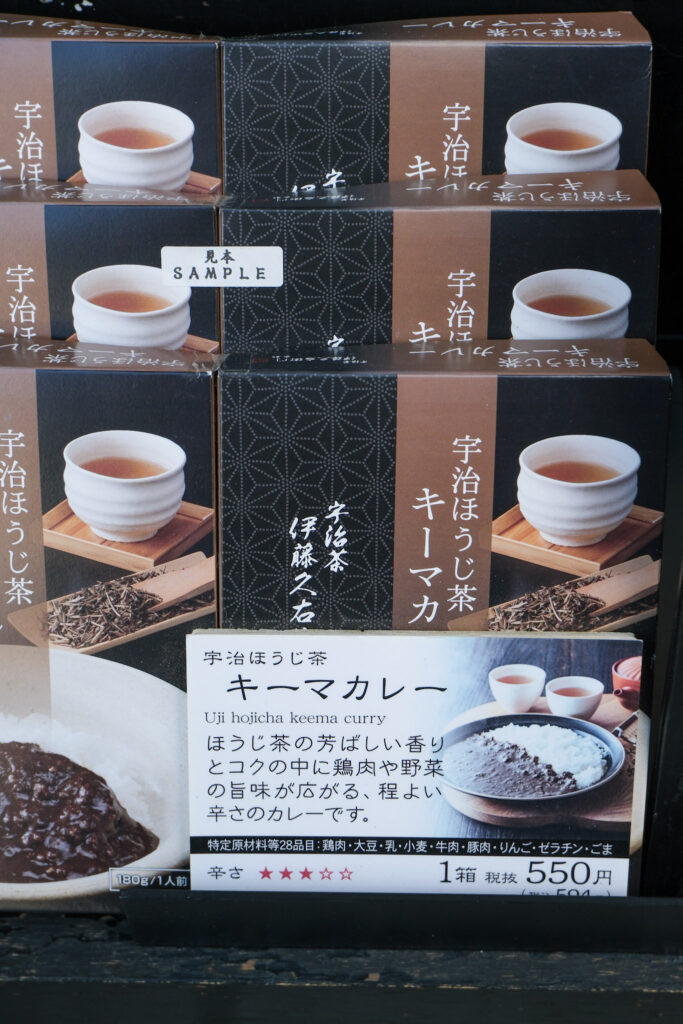
Having said that though, you’ll still find shops that sell things like postcards or standard souvenirs, as well as novelty items like matcha or hojicha curry packs, or small sake bottles to give as gifts.
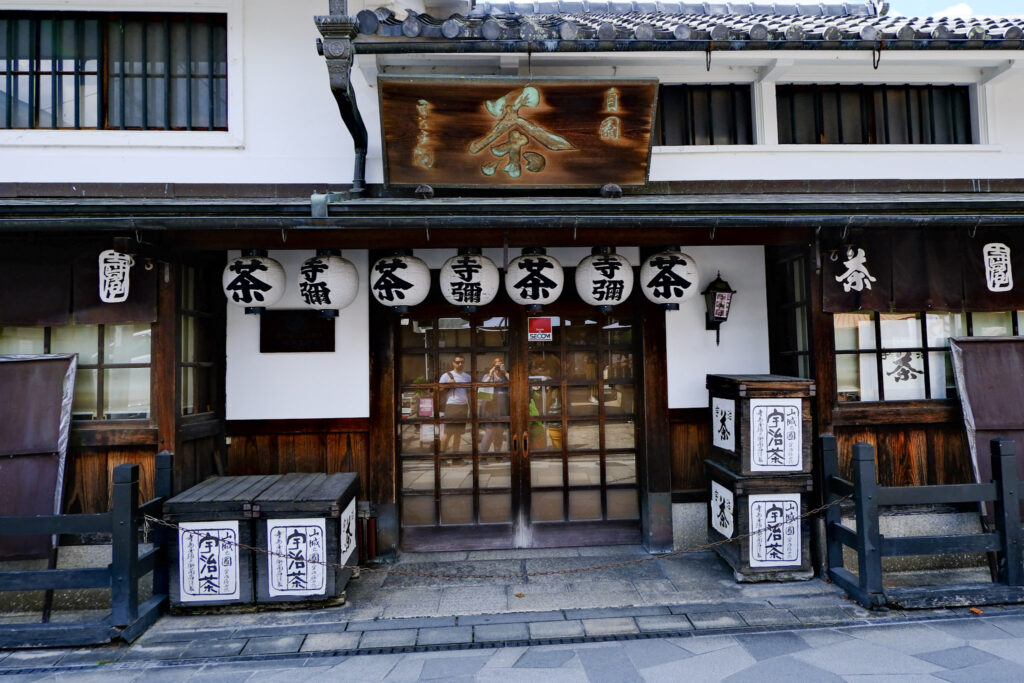
Most of the shops call back to an older time, with traditional Japanese architecture and cloth nobori flags swaying outside.
Inside, the shops tend to be small, with staff on hand to help you choose the best tea. Most of the shops are used to foreign tourists, and you’ll see tea guides and signs with English next to Japanese, to help you choose.
I found that most of the shops are focused on tea itself, and while some sell teaware and crockery, it’s not as plentiful as I would have expected and the selections tend to be small. If you’re looking for matcha bowls to bring home, I’d actually recommend Tokyo’s Kappabashi Street (the “kitchen street”) or department stores like Hands or Loft.


Guide to Buying Tea
Matcha
Matcha is the crown jewel of Uji, and what it’s most famous for. If you’ve never had it, it’s a finely ground powder made from specially grown and processed green tea leaves. About a month before they’re harvested, the tea bushes are covered in shade. This forces the plant to produce more green-giving chlorophyll and more L-theanine, an amino acid that gives the tea its savoury sweetness.
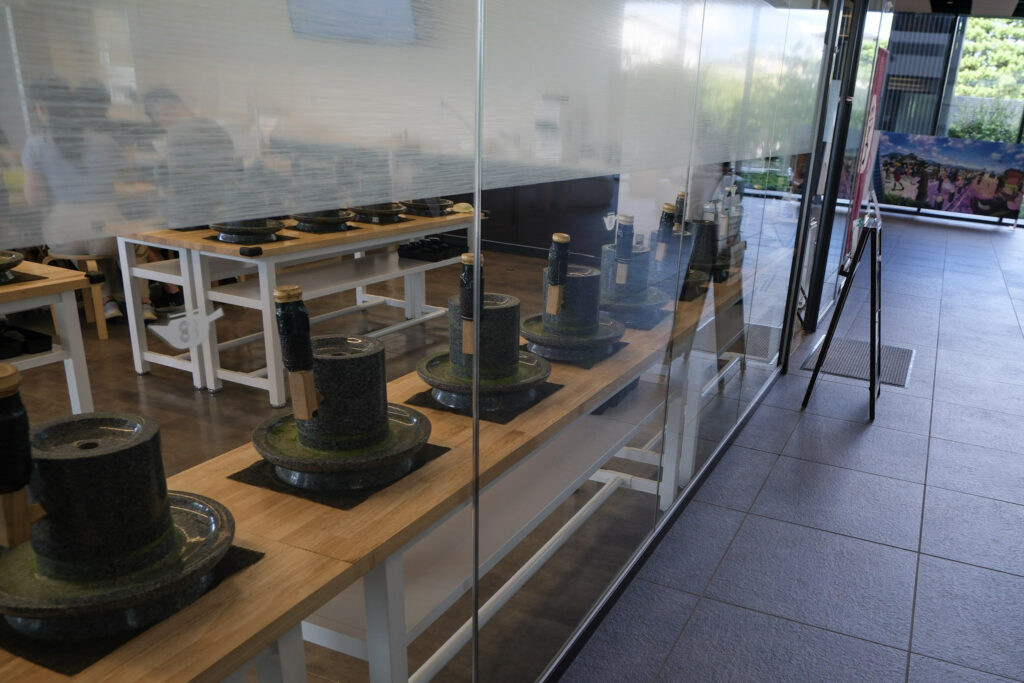
Once the tea is picked and dried, it’s ground in stone mills to produce the fine powder that ends up in your cup.
With regular green tea, you steep the leaves and discard them, while with matcha, you consume the entire leaf in water. It’s more concentrated than regular green tea, and has a distincitive earthy, grassy flavour.
Because matcha depends on the harvest each year, there can be shortages. When this happens, you may see “sold out” signs in the shops, or they may have buying limits to make sure everyone can get some.
Grades of Matcha
- Ceremonial Grade:
- Highest quality matcha available. This has a bright green colour and the smoothest flavour. It’s meant to be whisked with hot water and consumed as it is. Because it’s the highest grade, the price tag tends to reflect that. Even within the ceremonial grade, there will be different levels of quality and taste. Some of the most expensive types can go for upwards of £300.
From my own experience in Uji, you’re looking at around £15-20 for a 30g tin of good quality matcha.
- Highest quality matcha available. This has a bright green colour and the smoothest flavour. It’s meant to be whisked with hot water and consumed as it is. Because it’s the highest grade, the price tag tends to reflect that. Even within the ceremonial grade, there will be different levels of quality and taste. Some of the most expensive types can go for upwards of £300.
- Culinary Grade:
- This is still a good quality matcha, but usually with a stronger, and sometimes more bitter, taste than ceremonial grade matcha. The colour tends to be a more muted green than the ceremonial grade matcha.
If you’re someone who wants to use your matcha for blending into lattes, smoothies or baked goods, I’d advise culinary grade matcha. It’s cheaper, and the added ingredients will disguise any bitterness. For a bag of culinary grade matcha (larger than the tins), you’re looking at about £8-10.
- This is still a good quality matcha, but usually with a stronger, and sometimes more bitter, taste than ceremonial grade matcha. The colour tends to be a more muted green than the ceremonial grade matcha.
Hojicha
This is one of my personal favourites, it’s like a hug in a teacup and the absolute best on an icy morning.
Hojicha is green tea that’s been roasted. The heating process changes the tea’s colour and flavour profile and produces a warm, nutty, comforting tea.
Typically made from lower-grade sencha or bancha tea, or the stalks of the tea plant. This is then roasted over high heat, turning the leaves a deep reddish brown colour and giving the tea its nutty, toasted taste. It’s less astringent and has lower caffeine than other types of tea, and tends to be sweet and earthy. I’d advise drinking it black, without milk or sugar, as it’s sweet on its own, but you can of course add it to a latte or make it as a regular tea.
For a bag of hojicha, expect to spend around £5-7.
Sencha
Sencha is another type of tea that Uji is famous for and is a classic, every day green tea that’s consumed most often in Japan. Immediately after harvest, sencha leaves are steamed. This halts the oxidisation of the leaf, keep it bright green and preserving its Vitamin C content.
Similar to matcha, it’s got a crisp, grassy taste. It’s usually quite sweet, a little astringent and sometimes has a savoury undertone.
Because it’s such a staple, you’ll find bags of options (pun intended), from high grade to every day. Expect to pay somewhere between £10-15 for a bag of this tea, although you can find cheaper and more expensive.
Tea-Buying Tips
- If you’re going to use matcha for mixing into lattes or similar, you don’t need the most expensive one. Culinary grade matcha is cheaper, and will taste just as good once you’ve mixed it in with other ingredients.
- Be mindful of purchase limits, especially if you’re buying premium or limited edition teas.
- Don’t buy more than you can consume or give away as gifts. Most matcha is supposed to be used within four months of purchasing, and you’re better off ordering more online once you’re depleted, rather than buying too much and losing its flavour.
- Try as much tea as you can! Even if you’re dead set on stocking up on matcha, some of the other varieties of tea could surprise you and you could end up going home with a new favourite.
Practical Details
Tips for an Uji Day Trip
- If you’re going to Uji with the intent to buy some tea to take home, go to the tea museum first. I know I’ve already said this, but it’s the one thing I wish I’d done differently. Going into the tea shops with an idea of what you’re looking for and what you want to buy will make sure you end up with souvenirs you’re delighted by.
- There aren’t a ton of bathrooms. There’s one public bathroom by Uji Bridge, which was… unpleasant to say the least. Inside the temple grounds there’s a bathroom and naturally you’ll find them in restaurants you may visit.
- Unless you’re someone who likes to go a bit slower and take it all in, you don’t need a full day for Uji. On my own Uji day trip, we left the city around 2:30pm and went back to Kyoto to visit the sake museum in the late afternoon. If you’re really ambitious, you could tie it in after a day trip to Nara.
- Adding to the above, rather than spending the night in Uji, I’d recommend using Osaka or Kyoto as a base.
- Be mindful of the two train stations: JR Uji Station and Keihan Uji Station. I’ve mentioned both in the Getting There section above – make sure you’ve got the right one for your journey back, as they’re about a 10 minute walk apart.
- Bring cash. While most of the shops accept card payments, smaller, older tea shops or at stalls may only accept cash.
Tips for Plant Based Travellers
Because Uji is a much smaller city than Kyoto or Osaka, its vegan options reflect that. There are some restaurants listed on Happy Cow, but many of the matcha flavoured snacks around the town are not going to be suitable for vegans.
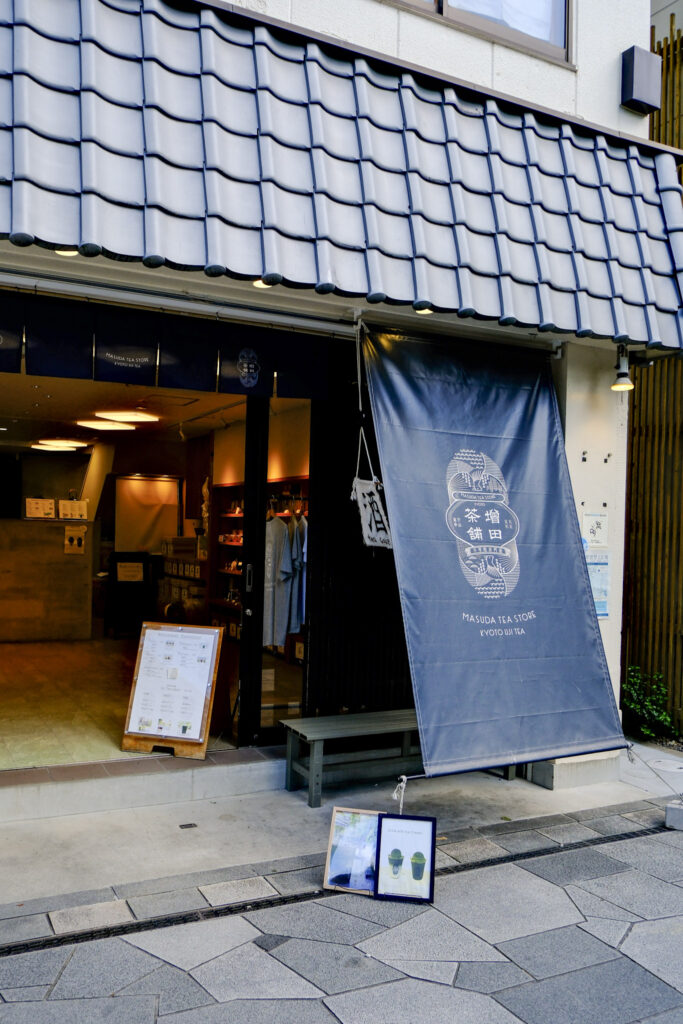
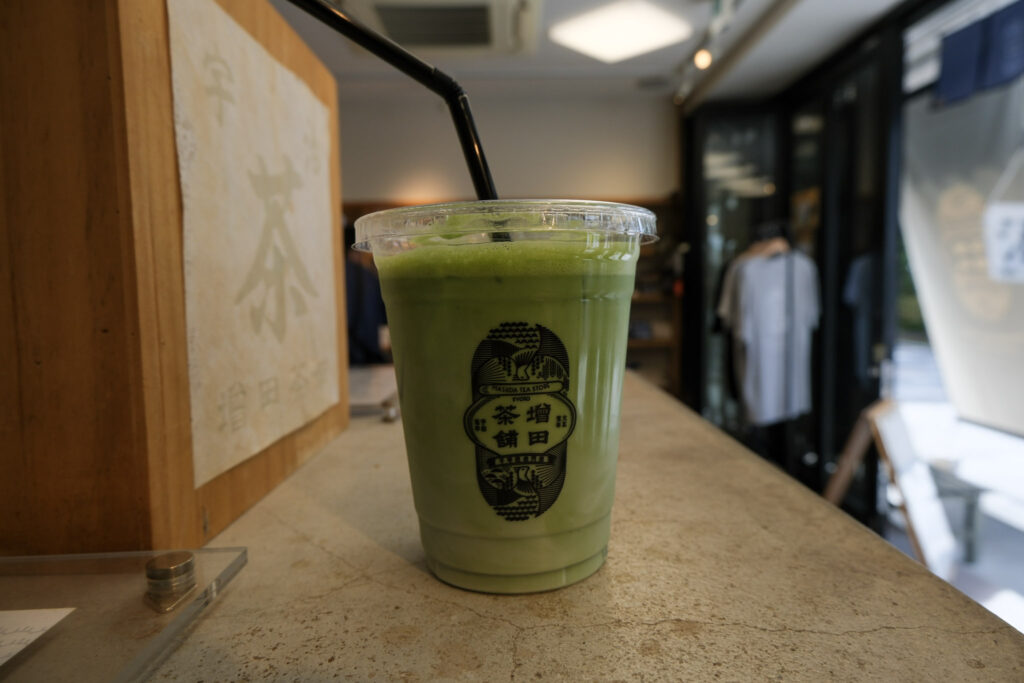
If you want to try matcha on your Uji day trip, Masuda Chaho at the top of the shopping street, near Byodo-in Temple, had plant based milk options available when I visited, and I got a great iced matcha latte there – perfect on a hot day.
Food-wise, many mochi are vegan as they’re made from rice – just get out your Google translate and double check that the filling doesn’t contain dairy.
Personally, when I was planning my own Uji day trip, I planned it as a half day. We ate breakfast in our Airbnb before going, and I made us a packed lunch of abura-age sandwiches, which we ate on a bench overlooking the Uji river.
The Side Quest: The Uji Nintendo Museum
Just one stop away from Uji station you’ll find the Nintendo Museum, in Ogura Town. This museum is recently opened and shows a big variety of products from across the company’s history. It’s in the old Ogura Plant where Nintendo used to make their trading cards.
Tickets are sold through a lottery system. You can enter for the lottery up to three months before your visit. If you’re picked, that’s when you pay for your ticket. You’ll need to register on the site first. If you’re a video game lover and want to build this into your Uji day, you’ll need to plan in advance.
If you miss out on the lottery however, they sell any leftover tickets on a first come, first served basis up to 2pm the day before your visit. You can check what’s available here. An adult ticket will cost you ¥3000.
If you do get hold of a ticket, you’ll be given a time slot for entry. Uji isn’t a massive place, so you’ll still be able to get all your matcha and temple goodness in around your Nintendo visit!
Final Thoughts

As I finish off this post, I’ve been through multiple cups of tea – hard to write about it and not crave a cup! Even though today is a grey day in London, rather than the sunny day I spent in Uji, the tea I brought back still gives me a little taste of my Uji day trip and the peaceful half hour sitting by the riverside, sipping an iced matcha.
Most travellers that visit Uji do it as a trip from Kyoto or Osaka, and it’s an immediate contrast from these busy, energetic cities to the quiet, calm town along the Uji river. Spending a morning or afternoon perusing the old tea shops or wandering the grounds of one of Japan’s most historic temples is a welcome break from what can often be a full on trip.
An Uji day trip or half day trip is the perfect excuse to take a moment to slow down, appreciate the history, and take in the natural beauty. One of my favourite things about making and drinking tea is that it naturally brings a calm stillness. From waiting for the kettle to boil, to steeping the leaves, to sitting with a warm cup in your hands, it makes us slow down and take a moment to ourselves. It seems only fitting then that somewhere so famous for tea would have the same gentle calm.
So whether you’re planning an Uji day trip, or reading this over a cup of tea yourself, I hope you find your own moment of calm.
For another great day trip from Osaka or Kyoto, my Nara day trip post covers all you need to know.