
How to Spend a Day in Nara
Introduction
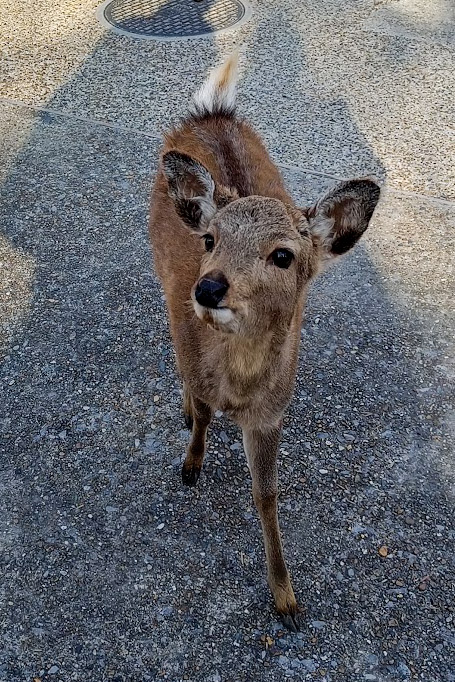
If you’ve ever spent time scrolling through Instagram Reels about Japan, you’ve probably come across the videos of adorable deer bowing in exchange for crackers. This is Nara, Japan’s ancient capital. From Osaka or Kyoto, a Nara day trip is a wonderful way to venture out of the cities, spend time in nature and learn more about the history of Japan.
On my first visit to Japan, I spent a wonderful day wandering around the huge park in Nara, visiting the ancient temples, and feeding the brazen deer.
In this post, I’ll talk you through some of the history of the area, then share how you can get there from Osaka or Kyoto, and finish off with my suggestions of how to get the most out of your Nara day trip. You can use the table of contents up top to skip to different sections, or read on to get the full Nara story.
The History of Nara
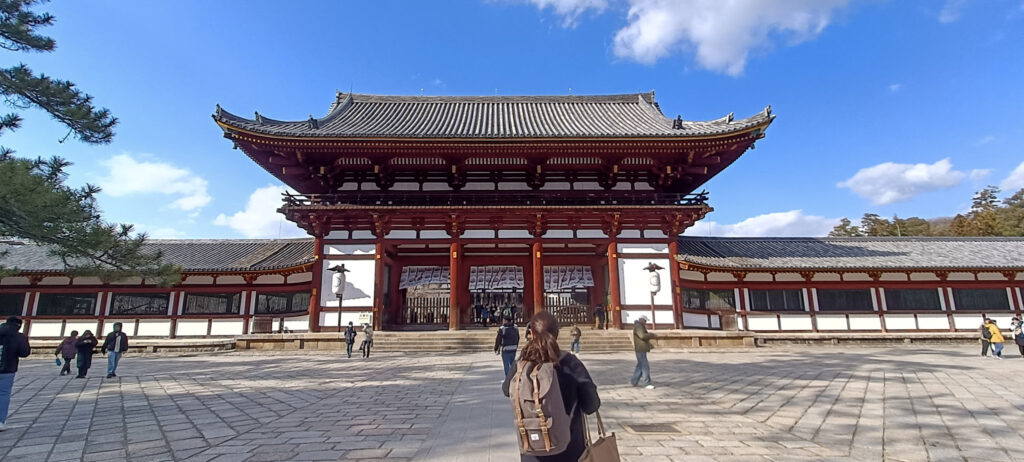
Japan’s First Capital
To start with, we go all the way back to 708 BCE. The Empress Genmei decreed that the capital of the country should be moved permanently to Nara, then called Heijokyo. Prior to this, the custom was to move capital with the succession of each new emperor. The Empress decided this was too disruptive, and was preventing the country from being able to establish a proper governmental and administrative centre. Two years later, in 710, Nara officially became Japan’s first permanent capital, and remained so until 784.
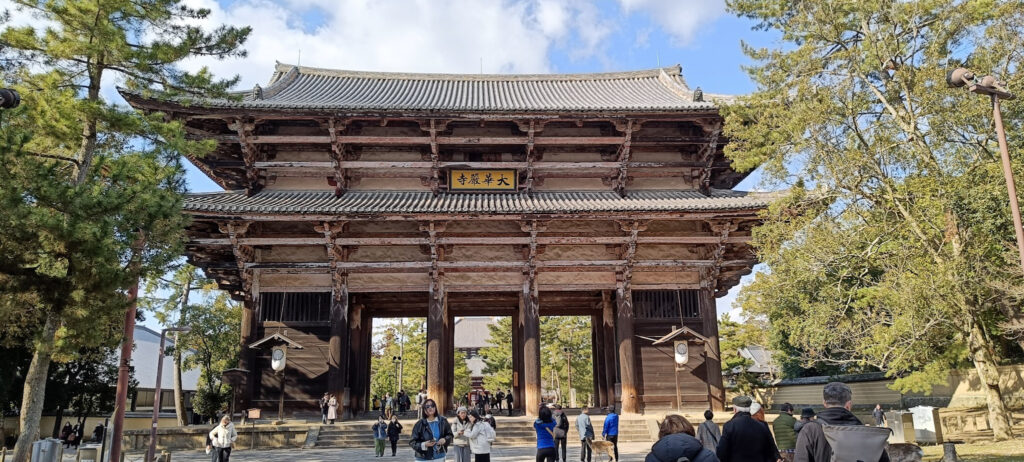
The Great Buddha
At the time that Nara became the official administrative capital of Japan, Buddhism was one of the major religions. To further cement Nara as the capital, the Emperor ordered the construction of Todai-ji, the biggest temple in Nara, and still the largest wooden building in the world today.
Inside the temple sits the Great Buddha (Nara Daibutsu), a bronze statue of the Buddha, standing just shy of 15 metres tall.
Going by records kept by the temple, 350,000 people were involved in constructing the statue.
Today, the temple is a UNESCO World Heritage Site, and is one of the most visited places in Nara.
The Deer
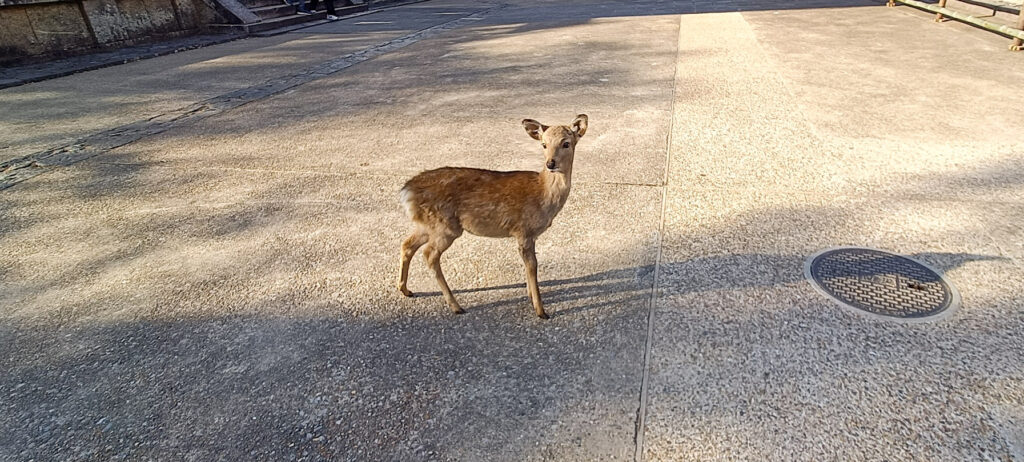
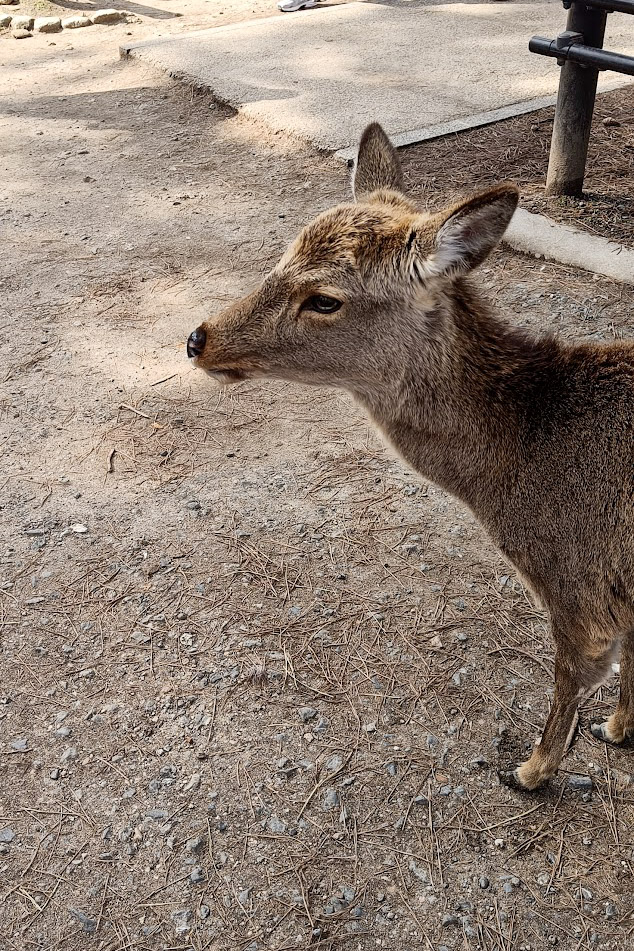
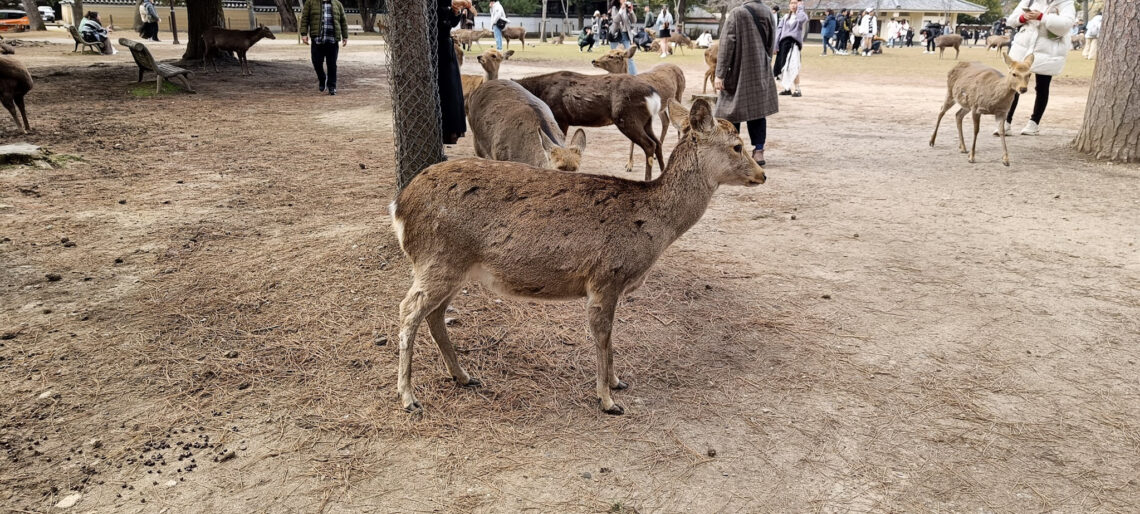
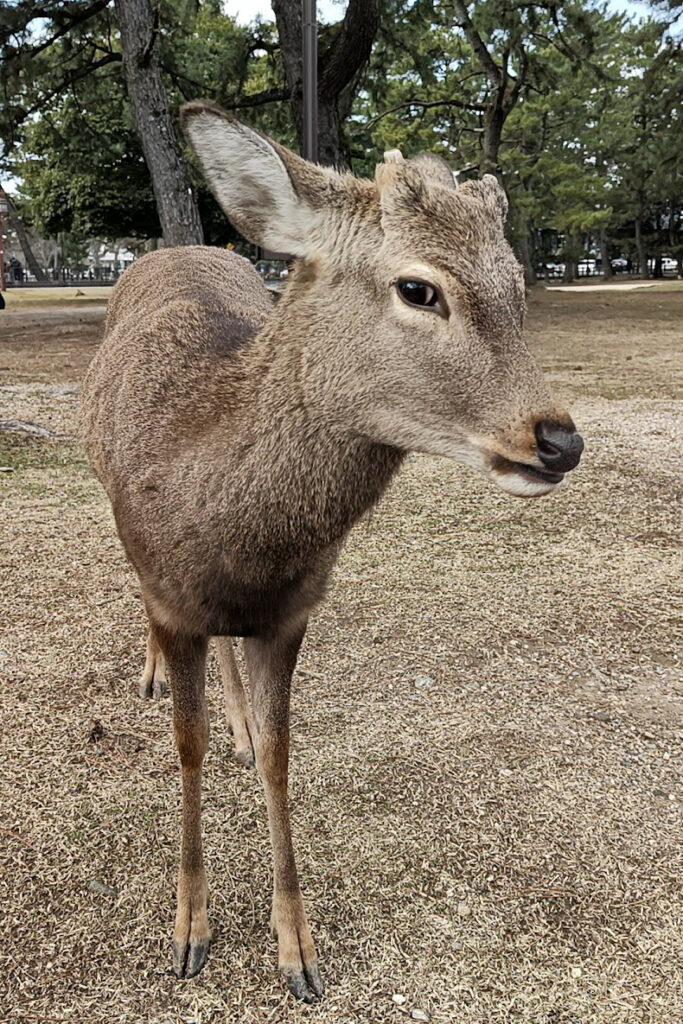
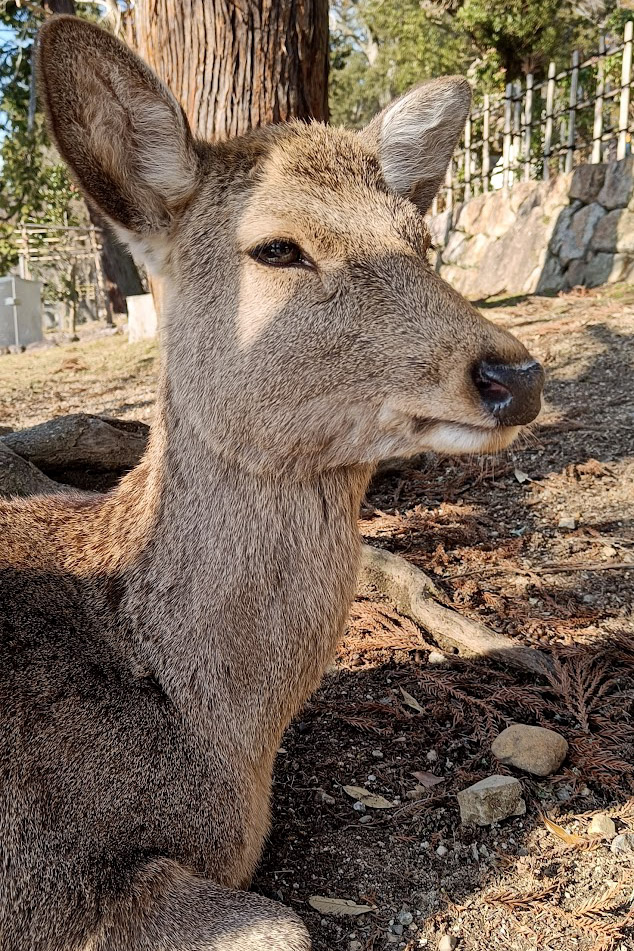
The deer of Nara are probably its most famous attraction. Within the park, and even on the streets of the the surrounding town, over 1,200 wild sika deer roam free.
As the legend goes, the Shinto god Takemikazuchi, god of thunder and swords, rode to Nara on a white deer to act as protector of the new capital. Because of this, the deer around Nara were regarded as messengers of the gods, and killing a deer was a capital offence. Still today, they’re protected and regarded as a natural monument of Japan.
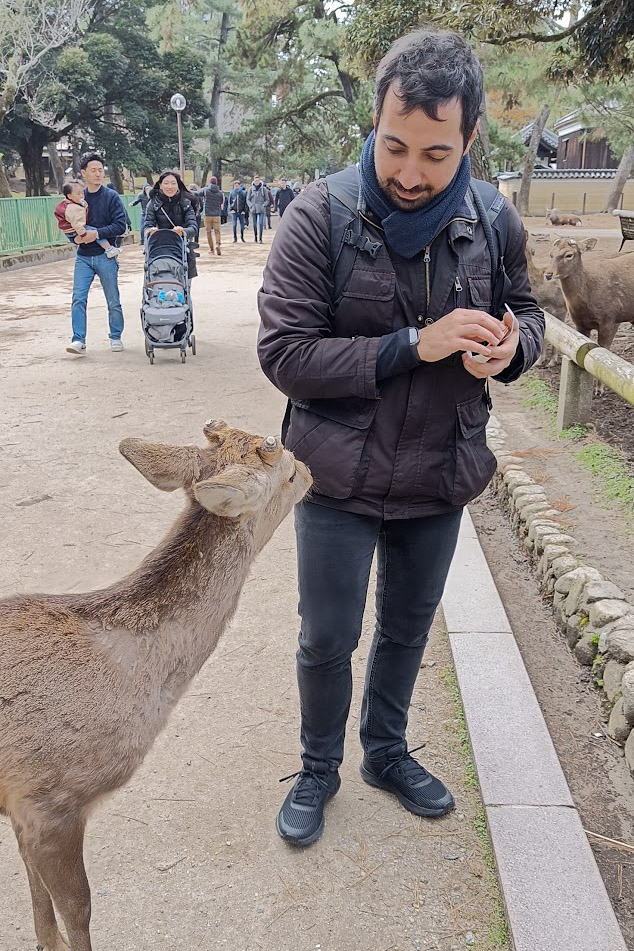
If you’ve seen videos of these deer, you’ve probably seen them bowing to people in exchange for a cracker. From vendors all over the park, you can buy a pack of special deer crackers (that look remarkably like stroopwafel). The deer have learned over the years that if they bow, they’ll get food.
Even though they’re pretty tame and unafraid of humans, they can get a little aggressive, and can give a pretty rough nip in pursuit of a cracker. When I was there, we saw someone being chased down by a particularly enthusiastic deer, and one of them tried to nip my husband when he ran out of crackers! We were told that showing them both of your palms, empty, signals to them that you’re out of food, and they’ll wander off in search of the next tourist.
Beyond the Park
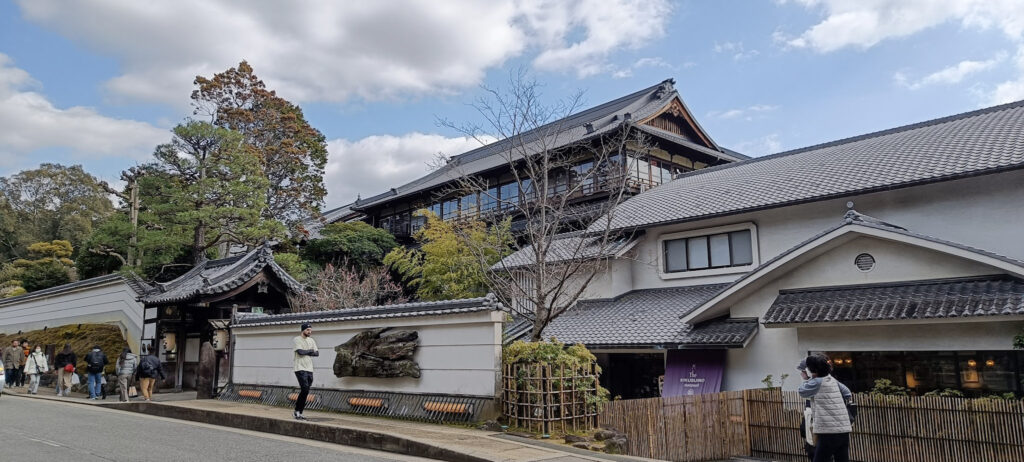
Outside of the historical park and the impressive Todai-ji temple, the surrounding area of the Naramachi district is quieter, but just as lovely. The town was originally the merchant district of Nara, and there are still plenty of Edo-period traditional houses and buildings preserved there. Many of the buildings around the old town are machiya, traditional townhouses that once served as both residences and shops of the local merchants.
Today, the town of Nara has plenty of boutiques, restaurants and even sake breweries for you to explore.
Getting There
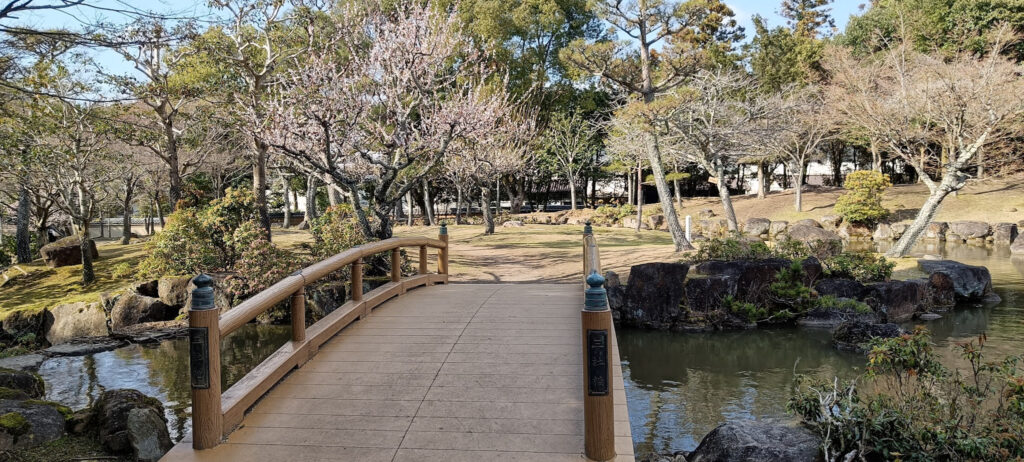
Typically, Kyoto or Osaka are where most travellers set out from. When I visited, we used Kyoto as a base, with a Nara day trip as part of our stay. We had the JR pass, which I’ve written a full guide to. Because of this, we chose to ride trains that were covered by our pass.
From Kyoto
Covered by JR Pass
If you already have the JR Pass, your best option is to travel from Kyoto Station to JR Nara Station.
You’ve got two options with this route:
- The Miyakoji Rapid Train: Runs about twice an hour, and takes 45 minutes
- The Local Train: Also runs about twice an hour and takes about 75 minutes
To buy a single ticket for each of these trains costs about 720 JPY (About £3.50).
The Miyakoji Rapid only starts running at about 9:30am, so if you’re planning to leave earlier, you’ll be on the slower train. I’d recommend checking the schedule or Google Maps ahead of time and choosing your train accordingly – there’s no point in setting off at 9am when you could grab a coffee and still get there faster!
From Nara station to the park is about a 20-25 minute walk, taking you right through the town of Nara.
The last Miyakoji service back to Kyoto is at around 5pm. After this time, there’s a JR Nara Line Rapid service about once an hour, or local trains a few times an hour. The last train back is at around 11pm, so be sure to plan accordingly if you’re staying in the area for dinner or sake.
Alternative Route
If you do not have a JR Pass or want less walking time, the alternative option is the private Kinetsu railway option. This will take you from Kyoto to Kinetsu Nara station.
Kinetsu Nara is about an 8 minute walk from the park, making it the closer station. However, it is almost twice the price, at about 1280 JPY (Around £6.30). It is not covered by the JR Pass.
From Osaka
Covered by JR Pass
Using the JR Pass, you can take the Yamatoji Rapid Train, which runs every hour from Osaka Station or Osaka Tennoji to Nara station. The trip takes about 50 minutes. If you don’t have a pass, it’ll set you back about 800 JPY (Around £3.95).
Alternative Route
If you don’t have a JR Pass, or you want the faster option with less walking, the Kinetsu Railway service runs from Osaka Namba station. This takes about 35 minutes and costs around 680 JPY (about £3.36).
For those without the JR pass, this is a slightly cheaper option, and it’ll bring you closer to the park.
A Day in Nara
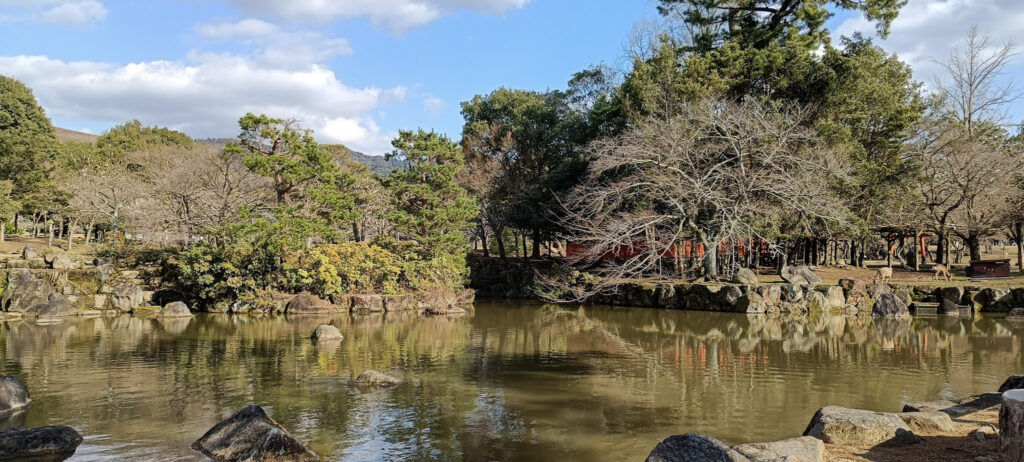
Nara park is huge, and between the deer, temples and the surrounding area, it can be hard to know how to get the most out of your Nara day trip.
There are pre-planned day trips such as this one, if you want to take the stress out of planning and explore the area with an experienced guide. Or for those who want to go it solo, I’ve put together a sample itinerary of how to spend a day in this beautiful part of Japan, as well as what my own experience was like, and some final suggestions for my fellow vegan travellers.
Itinerary
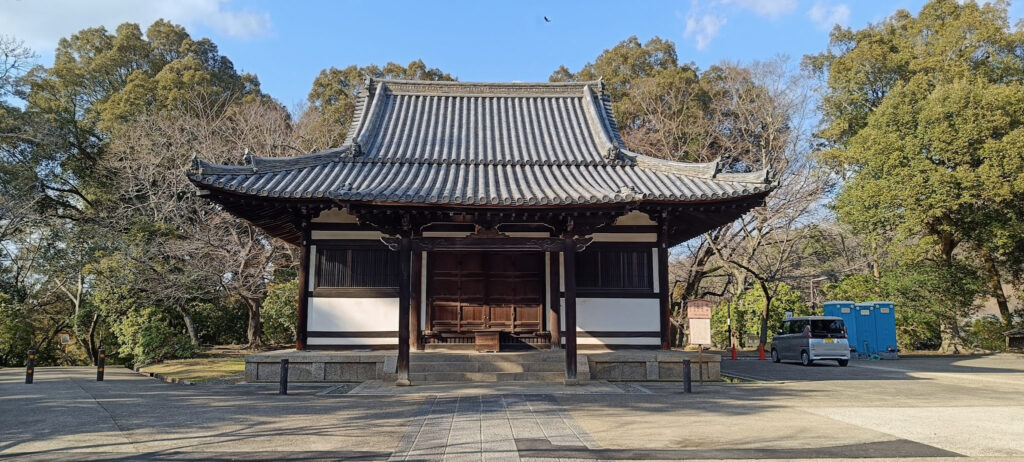
Morning
- Travel from your hotel to Nara. It gets busy, so I’d recommend setting off early.
- First stop:
Head straight for Nandaimon Gate and Todai-Ji Temple to see the Great Buddha statue. Making this your first stop allows you to experience the beauty of this ancient site before the large tour groups start to arrive. Take time wandering around, getting photos, and appreciating the history that surrounds you.
Midday
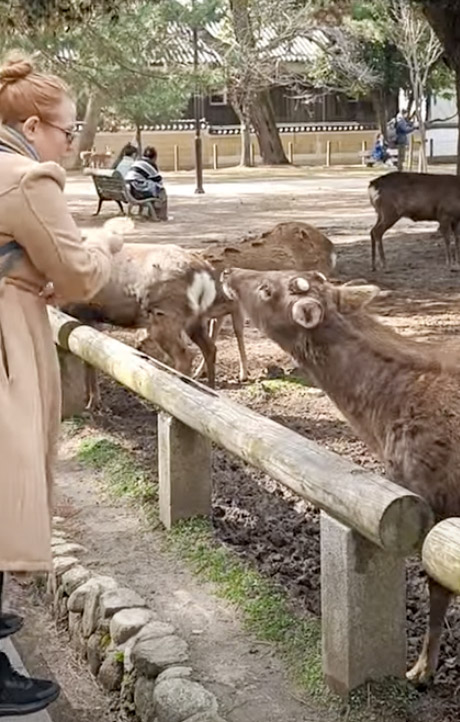
Meet the Deer:
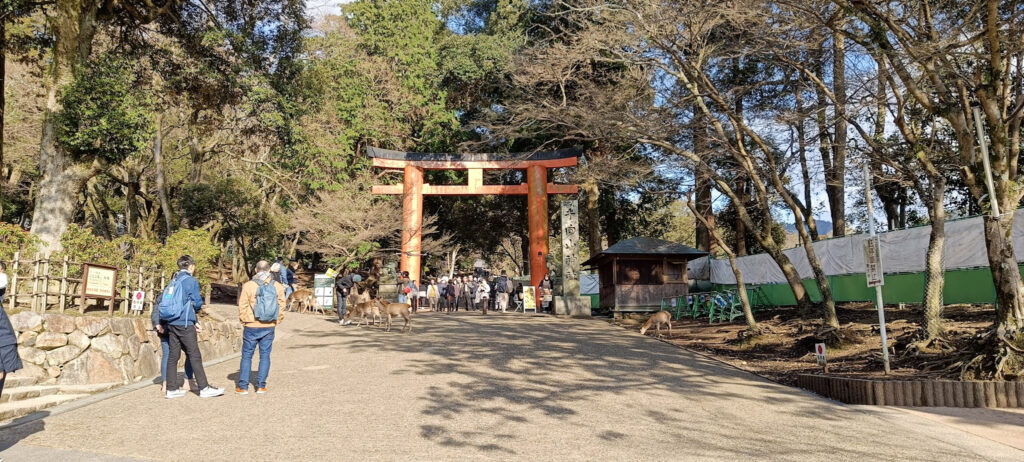
Walk back into the park and meet some of the iconic deer that call Nara home. Purchase some of the Shika Senbei (deer crackers) from one of the many vendors around the park and practice bowing to the deer and feeding them crackers.
Lunch Break:
Grab a quick lunch in one of the places around the Kasuga Taisha, or if you’ve brought a picnic lunch or conbini food, find a spot to sit and eat.
Kasuga Taisha:
This shrine is in the east of Nara Park and is a beautiful example of a shinto shrine. Originally built in the mid 700s, it’s famous for the stone lanterns that line the entry way up to the shrine.
Afternoon:
- Coffee Break and Park Walk:
Grab a coffee or a drink from a vendor or one of the vending machines you’ll see dotted around. Depending on the time of year, vending machines will have hot or cold drinks. Take a stroll around the park. Even though it gets busy, it’s still surprisingly peaceful and a lovely place to spend time wandering through. - Naramachi District:
Leave the park and head into the preserved merchant quarter. You’ll see the history in the form of traditional machiya townhouses, and get a feel for local life.
Wander through the souvenir shops on the narrow streets, and pick up a last coffee, snack, or souvenir before heading off. - Dinner options:
Nara is quite a small town, and quietens down in the evenings. You could choose a spot to have a quiet meal before leaving at this point, or you could take one of the last rapid trains back to your main base, rounding off your day with dinner back in Osaka or Kyoto. - Add in a second destination:
If you set off early, you could very easily do Nara as a half day trip. While I personally loved a full day here, if you’re pressed for time, Uji is another great spot that’s also doable as a half day.
My Own Nara Experience
When I visited Nara with my husband, it was in mid-March and the weather was very mild, but I still needed a coat. We travelled from Osaka, taking the metro from Osaka Namba to Osaka Station so we could use our JR passes. The walk to the park was about 25 minutes from the station, and brought us through one of the main streets of the town, which was mostly lined with touristy shops selling things like postcards, souvenirs, crafts and treats.
As soon as we entered the park, we saw the deer immediately. These aren’t shy deer hiding in the depths of the park, they’re right on top of you as soon as they enter, bringing to mind the confidence of London foxes. We bought a pack of crackers for 200 JPY from one of the vendors, and had a great time feeding the deer and bowing to them. My husband bought a second packet of crackers, and one impatient deer saw him unwrapping the packet and barged up to him, trying to nip him in the thigh to get him to hurry up!
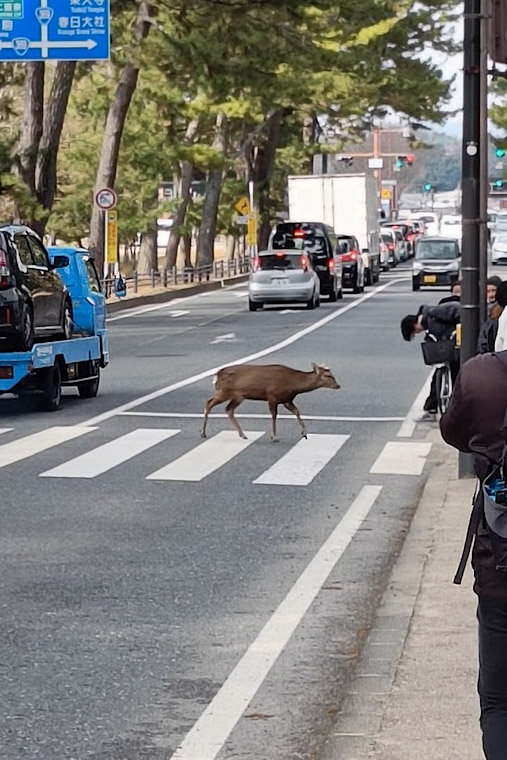
There are roads that run through the park, and there’s something very surreal about watching a deer use a zebra crossing, while drivers in K-cars wait patiently for them to finish.
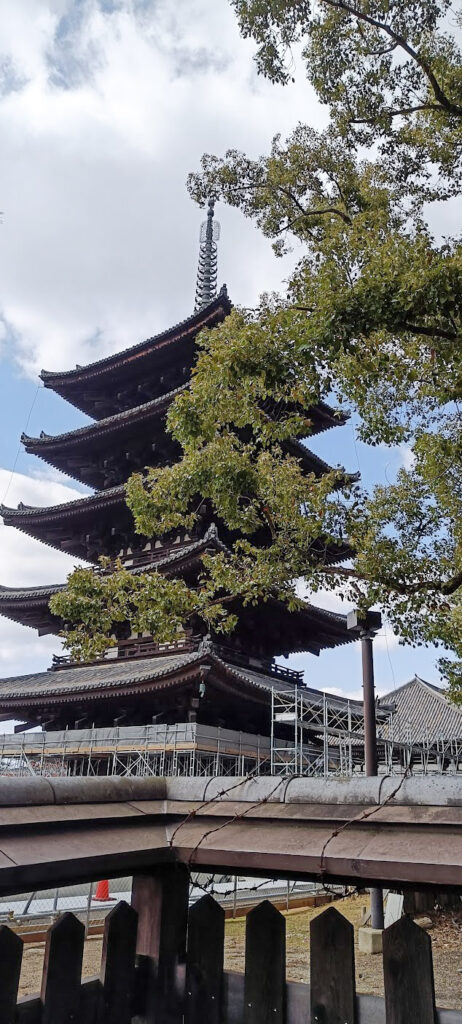
I hadn’t done a ton of planning for the Nara day trip, so our day was mostly spent wandering through the park and stumbling across the temple, pagoda and other parts of the park. We’d bought inari from a conbini, so that was our lunch. We shared it sitting perched on a rock while a deer sat behind us, eyeing us lazily.
Because of the time of year, the vending machines still had hot drinks in them, and we spent a really lovely hour or so walking slowly through the park with hot tea clutched in our cold hands. I’ve added this to my suggested itinerary above, and for good reason. Japan travel can be so full on, especially if it’s a bucket list type trip where you’re trying to fit everything in at once, so taking a little time to slow down and appreciate your surroundings is always such a lovely thing to do.
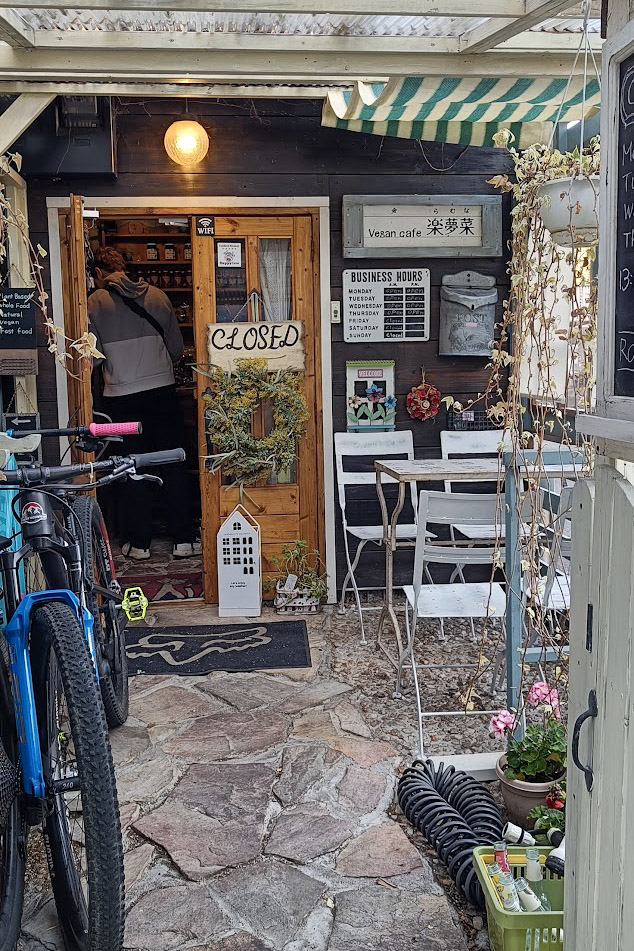
We’d spotted a well-rated vegan restaurant on Google maps that closed at 4pm, so we left the park fairly early, hoping to grab a late lunch/early dinner before heading back to Osaka. When we got there, there was a family standing outside it looking disappointed. They told us that the restaurant had closed early as it had run out of food for the day. Clearly a good place if it’s selling out early!
Rather than go back into the park, we decided to go back to Osaka. We’d had about a week’s full on travel before this, so we were pretty happy to have a chill evening. We got a great dinner back in Osaka, which I’ll blog about soon, and all in all, our Nara day trip is still one of my most peaceful memories from that trip.
For Vegan Travellers
There are a couple of vegan restaurants around Naramachi, but the one closest to the park, and the one we’d tried to go to is Vegan Cafe Ramuna. I don’t think it has a website, and it’s a tiny little place with only a few seats, nestled in a quiet street just outside the park.
Further afield than the park, Happy Cow lists a few restaurants that are either fully vegan or have vegan options.
Alternatively, you can do what we did and grab some food in a convenience store to have as a picnic lunch. While most convenience store food is not vegan, you will usually be able to find things like inari, tofu sticks (double check there’s no dashi or bonito in the ingredients, as this is fish) or salads. Snacks like nuts and protein bars also help fill the gap.
Keep an eye out (or sign up for the newsletter!) for an upcoming post where I’ll share some tips for getting by as a vegan when you can’t find a vegan restaurant.
And in the meantime, if Tokyo is on your itinerary, I’ve got some great vegan ramen recommendations.
Tips for your Nara day trip
- Bring a water bottle. The park is extensive and you’re going to be doing a lot of walking so stay hydrated.
- Wear comfortable shoes. If you do the full loop of the park or explore the town, you’re going to be hitting that step count, so wear shoes that you can walk for hours in.
- There are bathrooms in the park, often near the main sites like the temples or shrines.
- Consider buying deer crackers further into the park – there are vendors everywhere and the further in you go, the less crowded it’ll be.
- While it can be a full day trip, it’s also very easily done as a half day trip, so don’t be afraid to make a restaurant reservation in your city base that evening, or set off early, and be back in Osaka/Kyoto for another activity in the mid afternoon.
Final Thoughts
Nara is a perfect day trip, with a great blend of deep, ancient history, and gorgeous, Disney-like animal encounters. It’s a great way to learn a bit more about the origins of Japan, including its first permanent capital, ancient ties to the Buddhist faith, and experience the peacefulness that Japan is famous for.
For me, that gentle walk through the park with a hot tea and someone I love was a perfect moment of peace in an otherwise busy trip, and I hope you get to experience your own moment of serenity too.
Don’t forget to stop and appreciate the history, respect the deer and take a stroll through Naramachi before heading back into the bustle of a city.