
The Ultimate Guide to the Japan Rail Pass: Everything You Need to Know After the Price Hike
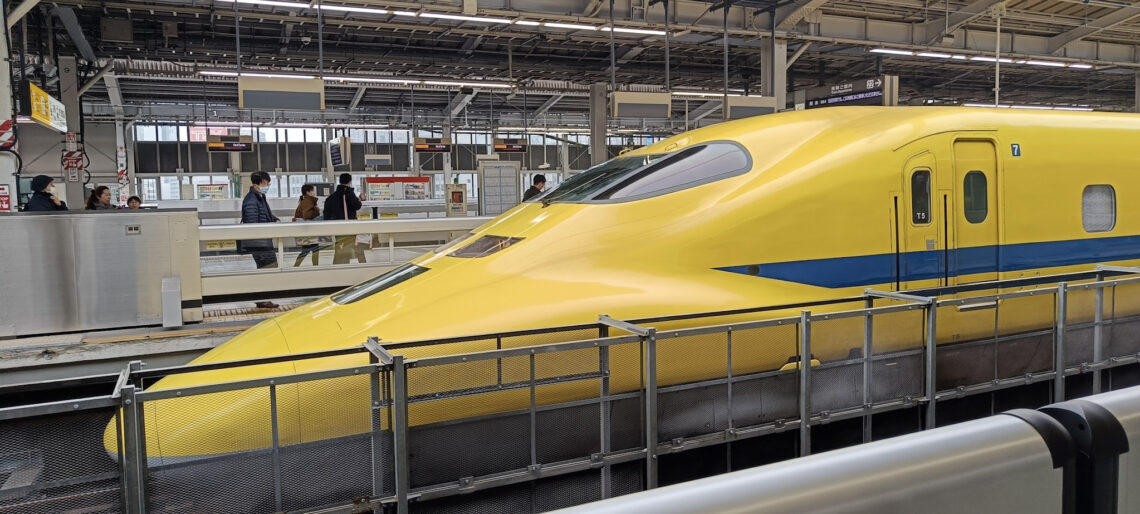
Japan is an incredible country, with so much to offer. From the bright lights of Tokyo, the serene temples of Kyoto, the late night convenience store runs, and the iconic Shinkansen that spirits you across the country with speed and efficiency that would make even Germany jealous. Seriously, for an entire year, the average delay on the Tokaido line was just 54 seconds. British trains could never.
For years, the Japan Rail Pass was your golden ticket. It was the number one must have for a multi-city Japan tour. A no brainer: you buy the pass, you ride the trains like royalty and you save a fortune. It took all the faff out of navigating one of the world’s most sophisticated rail networks.
Then October 2023 comes along, and with it a massive price hike to the JR Pass.
This sudden jump changed things. The big question is no long if the Japan Rail Pass is good, but whether it’s still worth the cost.
So, I’ve put this complete guide together. I’ll cover who can buy it, what it actually covers, how to buy and collect it, and how the new prices may affect your trip planing. As for the verdict? I’ll give you the most common answer I also give in my software engineering day job: It depends. But don’t worry, I’m going to give you all the facts and my real-world calculations so you can figure out exactly what that means for your trip.
Who am I to tell you?
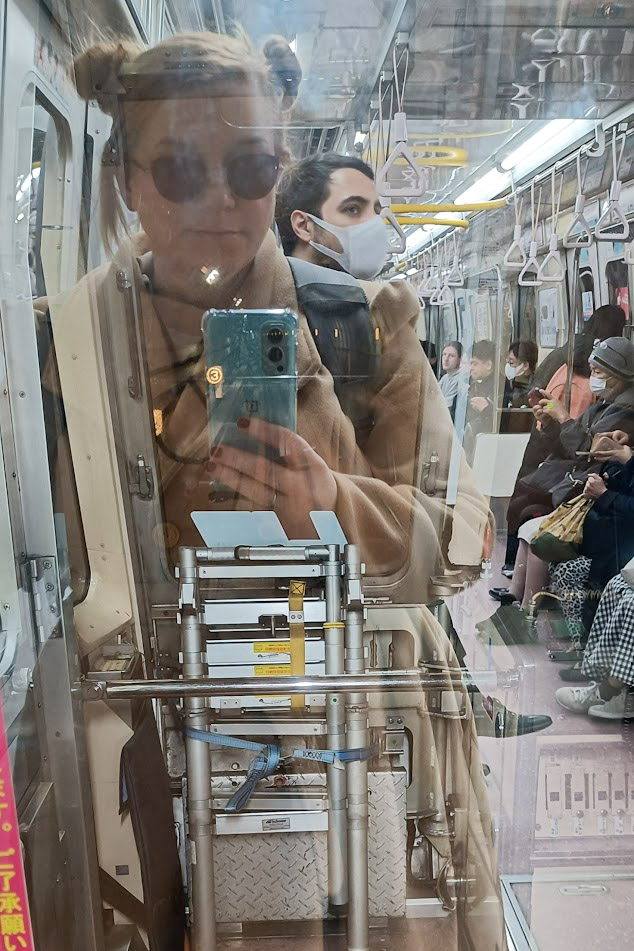
I’ve been to Japan twice since 2024. Both times were 2-week, multi-city trips. One one of these trips, I got the JR pass, on one I skipped it entirely.
I’ve gotten out the calculator (literally, it’s an old pink Casio from my university days) and done the maths for each trip, which I’ll break down and share the unvarnished results in this post.
I’ve also travelled around Japan by a few different modes of transport like train, plane, bus and even bike, so I’ve got a fair idea of how often the JR trains truly factor into travel plans and where its limitations are.
Finally, I live in London (although I will forever be a Dubliner), so I know all too well what it’s like trying to plan a long trip from abroad. Japan is incredibly technologically advanced, but many websites read more like brochures than functional, UX-forward applications. It’s simply not always easy getting the information you need, even with Google Translate doing the heavy lifting.
What I’m going to give you: All the facts, rules and how to’s in this guide.
If you’re looking for my unvarnished take on whether the pass is worth it now after the price hike, I’ve broken down my calculations and my honest opinions in another post. And if you want to know more about the rules and cultural norms on Japanese trains, you’ll find them here.
What is the JR Pass?
Background
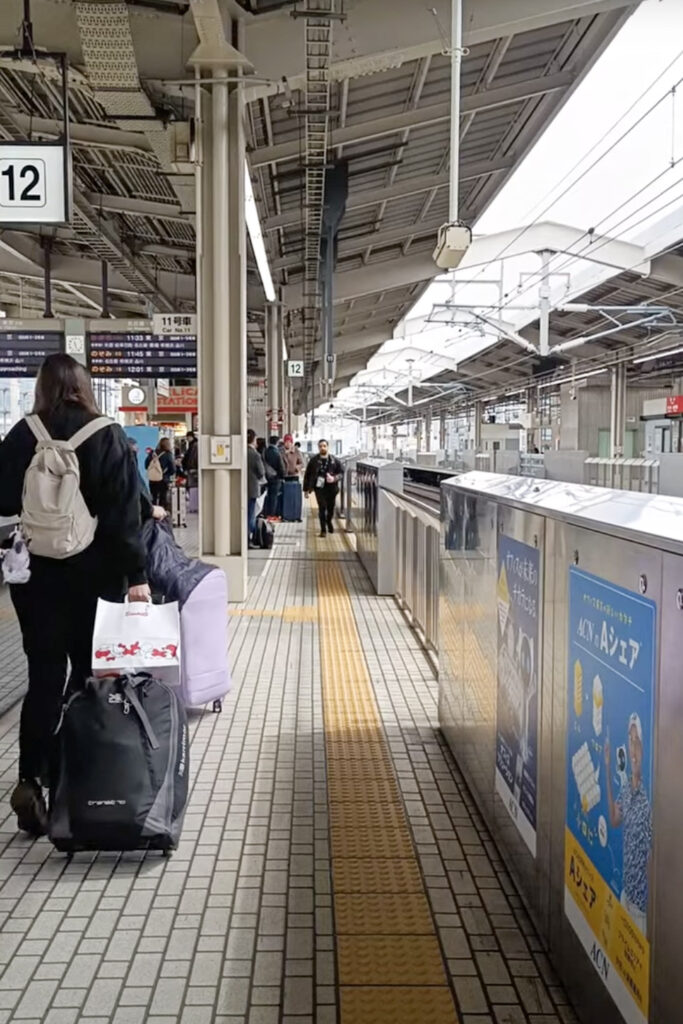
To explain the JR Pass, first I’ll have to explain what JR means. Japan Rail isn’t just one company, its a network of passenger and freight operators. Japan used to have the government-owned Japanese National Railways. This was privatised in 1987 and broken up into a group of independent companies.
As someone living in the UK, with shockingly bad private rail networks, I’m making that Chrissy Teigen grimace face at the idea of privatisation right now.
Thankfully, Japan is not the UK, and their networks are still impeccably run. Today, the JR Group includes six separate regional passenger companies:
- JR East (Covers the Kanto region, including Tokyo)
- JR Central (Covers the Tokaido Shinkansen, linking Tokyo and Osaka)
- JR West (Covers the Kansai region, including Kyoto and Osaka)
- JR Hokkaido
- JR Shikoku
- JR Kyushu
Outside of the JR network, there are plenty of smaller, private rail operators, especially for local commuting in major cities, which I’ll touch on later. However, the JR Group runs the bulk of Japan’s railway network, including nearly all the famous routes you’ll want to ride.
So What Is the Pass?
The JR Pass is an unlimited ticket for its period of validity that covers travel across all six of those JR passenger companies. This is why the pass is so handy for nationwide travel as it acts as a single, unifying ticket for a multi-operator system.
You buy a pass for a 7-day, 14-day or 21-day period. You can make reservations on the Shinkansen and ride the JR trains to your heart’s content.
Who Can Use It?
The Japan Rail pass is exclusively for foreign tourists (a little similar to the Eurail/Interrail pass in Europe). You must be visiting Japan under the status of “Temporary Visitor”.
Important note: You must get the “Temporary Visitor” stamp in your passport when you enter Japan. Avoid using automated e-gates as you might miss getting this stamp. When we flew into Tokyo, we told the border guard that we were planning to get the Japan Rail pass, and he understood what we needed immediately.
What’s Not Covered?
The Japan Rail pass covers a lot, but there are some caveats.
Shinkansen Exceptions
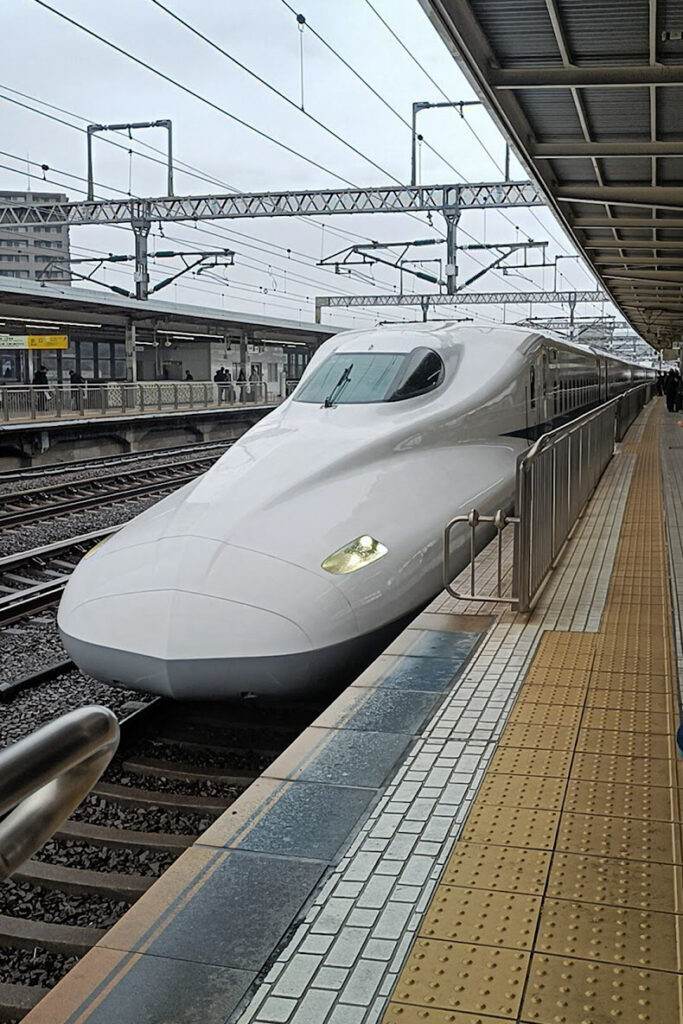
Japan has a number of Shinkansen services, most of which are covered by the JR Pass. However, there are some exceptions, namely the two fastest services. The primary types of service you’re likely to encounter as a tourist are:
| Shinkansen Name | Speed | JR Pass Validity |
| Nozomi (のぞみ) | Fastest, with fewest stops | NOT VALID |
| Mizuho (みずほ) | Fastest on the Sanyo and Kyushu Shinkansen lines | NOT VALID |
| Hikari (ひかり) | Semi-Fast, stops at major stations | VALID |
| Sakura (さくら) | Semi-Fast on the Sanyo and Kyushu Shinkansen lines | VALID |
| Kodama (こだま) | Local, stops at all stations (the slowest) | VALID |
| Tsubame (つばめ) | Local on the Kyushu line | VALID |
When I talk about “semi-fast” or “slowest” with regards to the Shinkansen, it’s more to do with the service pattern rather than the capabilities of the train itself. These are all still fast bullet trains that can hit speeds around 285 kmph. Think about it more like an express service with limited stops vs a local service that stops at every station on the line.
It is possible to pay a supplement to use the “not valid” trains, but this isn’t always worth the extra cost, especially when you’ve already shelled out for the JR Pass.
To give you an example, if you were travelling from Tokyo to Shin-Osaka:
- Nozomi: Stops at 6 stations, with a total time of ~2 hours 15 minutes
- Hikari: Stops at 14 stations, with a total time of ~2 hours 40 minutes
- Kodama: Stops at all 17 stations on the line, with a total travel time of ~3 hours 50 minutes
In this example, both the Hikari and Kodama are covered by the JR Pass, and it’s a no brainer which one is the better option. The Hikari saves you over an hour. However, the faster train, Nozomi, is only 25 minutes faster than the Hikari, but comes with an additional ¥4,960 supplement. That’s a pretty high price to pay just to save 25 minutes – you’d get a very good dinner for that!
Non-JR Trains
While Japan Rail covers the majority of the country’s rail network, there are plenty of private companies as I mentioned that do not operate under the JR Group and are therefore not served by the Japan Rail Pass.
- Subways and Metro Trains
- In major cities like Tokyo, Kyoto and Osaka, most of your local day to day travel on subways or metro transport are not covered by the JR Pass. To make use of buses and other local services, I’d recommend getting a Suica or Pasmo card.
- Private Lines
- Many local commuter lines and regional routes are run by private companies such as Odakyu, Keio and Kintetsu. These are not part of the JR network and you’ll need to buy separate tickets. If your itinerary is mainly based in one region, you may find that a regional pass is a better deal than a national JR Pass.
- An example: While in Kyoto, I took a day trip to Uji (the home of matcha, would recommend). To get there, I took the JR train to one station, but took the private Kintetsu line back.
- Another example: If you’re planning a trip to Hakone from Tokyo, the Romancecar will take you directly there from Shinjuku, which is often easier than the alternative using JR lines.
What are the Pros and Cons?
The Case For
- Convenience
- This is the biggest non-monetary benefit. Having one single pass means you don’t need to have to buy individual tickets for every long journey, or queue at ticket machines in every city – and believe me, those lines get long.
- Upfront Budgeting
- Because you pay one single price for the Japan Rail Pass, the bulk of your travel budget is already allocated. If you’re on a tight budget or you like to know exactly where your money is going, there are fewer unplanned expenses because you’ve already got the pass.
- Flexibility
- Miss your train? Decided to take a last minute day trip from Osaka to Hiroshima, maybe stopping at Himeji Castle along the way? You don’t lose money on a non-refundable, prebooked ticket. You can just jump on the next JR covered service and change plans as you go.
- Free Seat Reservations
- You can reserve seats for free (usually about ¥330 to ¥1,000 to reserve a seat otherwise). This can be really helpful, especially during busy seasons.
- Added Services
- The pass also covers the JR ferry to Miyajima island (where you’ll find the floating Torii gate) and some local JR bus routes, such as some routes from Kyoto station.
The Case Against
- The Price Hike
- This is the obvious killer to whether the Japan Rail pass is a good investment or not. It’s much harder to reach the break-even point than it was before the increases, making it often much cheaper to book individual tickets.
- The Consecutive Days Rule
- The pass is valid for consecutive days (7, 14 or 21). If you have a 7 day pass, but spend four days sightseeing in Tokyo for example, that means that time is “wasted” with regards to getting the most bang for your buck on the pass.
- No Nozomi or Mizuho Trains
- As I mentioned, the fastest trains are not covered by the Japan Rail pass without paying a supplement. You’re locked into certain train services for your travel.
- Loss Risk
- The JR Pass is a physical pass, not digital. It cannot be reissued if it’s lost or stolen. Given the high price, losing it is a big deal for your travel plans – you’ll have to revert to buying individual tickets, and you won’t be able to get a refund for the lost pass.
How to Use the Japan Rail Pass
Buying and Collecting Your Pass
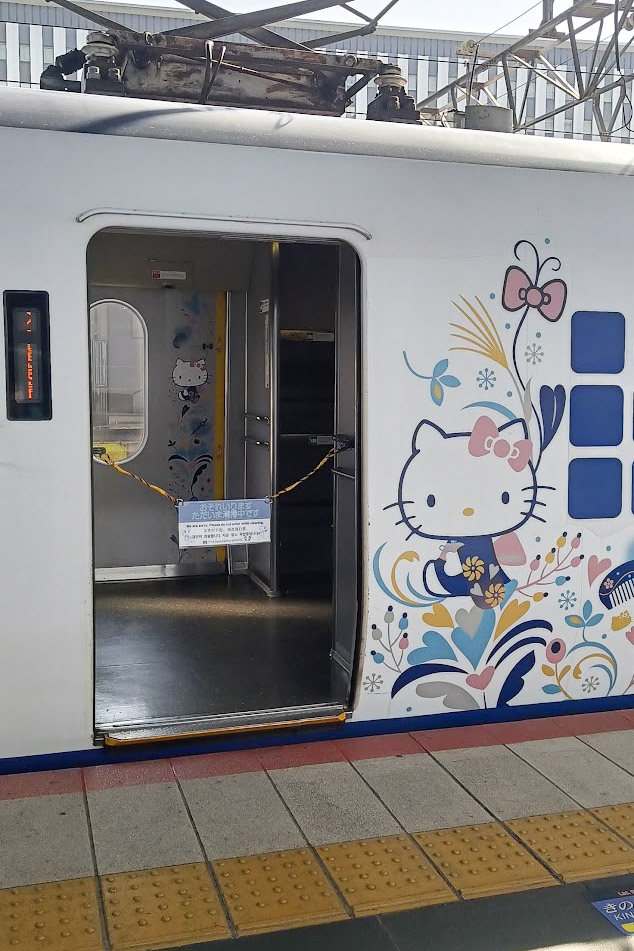
You can buy your pass online before you travel. When you buy your pass, you specify the dates you want it to be valid from. I bought my own pass over a month before my trip to Japan, and received an email reminder three days before the pass was due to activate. You can refund your pass (minus a handling fee of about 15%) up until a couple of days before the pass is activated.
When you buy the pass through the official JR Website, you’ll create an account. You can also pre-reserve seats on trains ahead of your trip. If you already know your itinerary and like to plan ahead, this helps you get this locked in before you touch down in Japan.
When you buy the pass through the JR website, you’ll register your passport details. You’ll use this and your reservation number to pick up your pass. While it is possible to buy the pass through third-party sellers, check that these are legit. In these cases, you’ll be given a voucher, which you must exchange for the pass.
To collect the pass, you have a few options. The major airports of Narita and Haneda have JR ticket counters in the airport where you can go and pick up your pass as soon as you land. This is what I did, and it was a super easy experience.
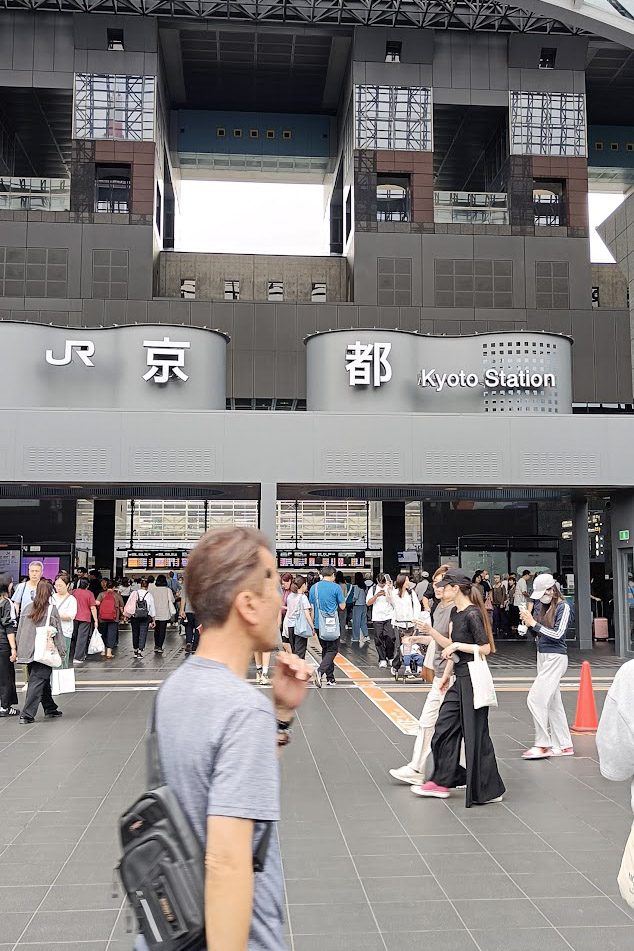
Alternatively, you can pick up your pass at major stations such as Tokyo, Kyoto, and Osaka.
Once your pass is activated, there’s no refunds or exchanges, so make sure you pick the right start date! That might not necessarily be the day you land, especially if you’re planning on taking a cab or Airport Limousine bus to your hotel and crashing for the night, or you don’t have any train travel planned for your first few days.
Reserving Seats
If you have the Japan Rail pass, one of the benefits is being able to reserve seats in advance and for free. I’d highly recommend you do this, especially during busy periods.
You can reserve a seat in a few different way:
Online (easiest): If you’ve bought your Japan Rail pass through the official Japan Rail Pass website, you’ll have created an account which you can use to log in and book your seats. You can even do this before you arrive in Japan.
Ticket office: Show your pass and journey details to an attendant who will be able to help you. It’s easy, but you’ll need to queue.
Machines: Major stations have multilingual reserved seat ticket machines. Scan the QR code on your pass or insert the ticket you exchanged for, and select your journey.

At the Train Station
If you’ve bought the JR Pass through the official Japan Rail Pass website, you receive a physical ticket. This physical ticket can be used in the automated gates. You insert it to enter and insert it again to exit. If you’re also using a Suica/Pasmo card for metro transport, be careful not to use this unnecessarily if you’re travelling on a JR line.
If you’ve pre-reserved seats online, you still need to collect the physical ticket for each segment. You’ll go to the multilingual ticket machines, scan the QR code or insert your main Pass. The machine will then spit out your reserved seat tickets. Collect all your reserved seat tickets at once to save queueing time later, you’ll thank me for it!
Can I Bring Luggage?
The Shinkansen is incredibly comfortable, but there are some rules about luggage on board. These are especially enforced on the Tokaido, Sanyo and Kyushu Shinkansen lines. These include some of the most popular routes, like Tokyo to Osaka or Tokyo to Kyoto.
You’re allowed bring two items on board with you, a personal item and a larger piece of luggage. The larger luggage is restricted by size. Add up your total length + width + height, this should be no higher than 160cm (correct as of end of 2025). If it is, you need to book a specific “Oversized Luggage” seat. Thankfully, the leg room on the Shinkansen is generous. I’m 5ft2 and was able to fit my suitcase in front of my legs.
If you want more info on the general dos and don’t on Japanese rail services, check out my Manner Mode post here.
Items that don’t have a size restriction are sports equipment, musical instruments, and baby strollers. However, if you do want to use a storage space for them, you’ll need to book this. If you don’t, you’ll need to keep the items with you in your own seat space (it’s very poor form to spill into your neighbour’s space), or in the storage racks overhead.
If you are travelling with a lot of luggage, or making a lot of train connections, then I really can’t recommend Japan’s luggage forwarding service enough. It’s quick, reliable and affordable, and it takes all the headache out of travelling with bulky bags. You can even send luggage from your hotel to your next hotel.
Does it Make Sense for You?
This is such a subjective question, but I’ll give you my honest answer: No, I don’t think the Japan Rail Pass is worth it anymore. Before the price hikes, it would have been an absolute no brainer. Now, I’d find it very hard to get my money’s worth without feeling like I needed to take a long distance train or two every day.
I’ve written this post where I compare two Japan trips, one with the pass and one without, so you can see for yourself.
If you’re someone who likes to plan spur of the moment travel, such as extending your stay in a city you really connect with, or taking a last minute detour, having the pass may make you feel more shackled. You might feel like you have to get your money’s worth, so you can’t justify spending a few extra days wandering Kyoto or exploring Tokyo without using that expensive ticket.
There are only two situations in which I’d recommend the pass:
- You’re a big rail tourist: You’re going to be travelling on JR trains multiple times a day. And if this is you, tell me your itinerary, because I’m fascinated.
- You value peace of mind above all else: Maybe you’re a very anxious traveller and just want the convenience of having everything locked in before you go. Japan’s rail network is incredibly sophisticated and honestly a pleasure to use, but I can understand that it can be overwhelming. Paying a premium to take one more thing off your plate… well, I get it. If it gives you more peace of mind to have that one thing done, and you can afford it, then fair enough.
Quick FAQ
- What if I’m on a train when the pass expires overnight?
- You’re not going to be hauled off the train! The pass covers the entire duration of your journey, provided you boarded before midnight on the expiration date. If you need to change trains after midnight, you’ll need to buy a ticket to complete the remaining part of your journey.
- When is the pass valid?
- The pass is valid for the number of consecutive days you purchased it (7, 14 or 21), from the activation date you chose. The clock is midnight-to-midnight Japanese time, regardless of what time you picked up your pass or took your first journey.
- Why do I need the Temporary Visitor stamp in my passport?
- Japan Rail needs proof that you’re entering the country as a tourist, as the Japan Rail Pass is only valid for tourists. Without it, you’re not eligible for the pass.
- Can I share the pass with someone else?
- Nope, this isn’t your parents’ Netflix account. Each pass is only valid for the person who’s name is printed on it.
- What is the Green Car?
- The Green Car is the JR equivalent of First Class. It’s got wider, more comfortable seats and more legroom. It’s more expensive than the Ordinary Car (Standard Class), and in my opinion, not worth the extra price – Ordinary Car is already super comfortable!
- Can I bring my suitcase on board?
- Yes, but with a caveat. If the total length + width + height are over 160cm, it’s considered “oversized” and you’ll need to book a special seat with Oversized Baggage Area on the Tokaido, Sanyo and Kyushu Shinkansen. I’d recommend looking into luggage forwarding if you’re travelling with a lot of bags.
- Does the Pass cover the metro/subway or local city buses?
- No, for this you’ll need an IC card (Suica or Pasmo) for local city transport.
- Can I buy the Pass once I’m in Japan?
- Yes, but the price is the same as buying it online from the JR website. I’d recommend buying it online before you arrive, especially as this gives you access to the online reservation system.
Final Thoughts
The question these days isn’t whether it’s worth travelling Japan by rail – it absolutely is. The Shinkansen are incredible machines, moving at super speeds through some of Japan’s most beautiful views.
And pro tip, if you’re travelling west out of Tokyo, book a seat on the right hand side of the train. On a clear day, you’ll get a good view of Mount Fuji (Seat E in regular cars).
The real question now is whether it’s worth itto buy the pass. I’ve already given my honest opinion above: No, I don’t think it is. To pay about £800 for a two week pass, you’d really want to be travelling by train constantly to get your money’s worth. Unless you’re a massive rail enthusiast, that’s a lot of pressure in creating an intense travel schedule, and you miss out on the joy of slowing down and appreciating the places you are.
I also know exactly what it’s like to go to a new country where you can’t speak or even read the language, and you’re trying to navigate a new transit system. It can seem so much easier to just buy the pass and be done with it.
Take it from me, for whatever it’s worth: it’s genuinely very easy to buy the tickets on the fly – you can still pre-book them online, or you can buy them in the train stations. Some of the major train stations will even have staff on hand specifically to help foreign tourists, and they even wear armbands to make them easy to spot. Don’t let travel anxiety be the reason you spend hundreds of pounds unnecessarily – put that towards a great dinner or hotel instead!
I’ve given you the facts, rules and emotional considerations of the Japan Rail pass.
If you want to see a real world example:
I’ve laid out the two real-world trip breakdowns from my travels: One where the pass was used, one where tickets were bought individually. It’s one thing me giving you my unvarnished opinion, but I want to give you the real world calculations so you’ve got a little more data to help you make your own decision.
Resources
And finally, a couple of links to help you on your way:
- Japan Rail Pass – link to buy or view the passes available
- E-Sim – I’d strongly recommend getting an e-sim for your travels. It’s really helpful being able to check train schedules or reserve seats on the fly.