
The Best Valpolicella Winery Route from Verona Without a Car in 2026
Some people will tell you that the only way to get out into the Veneto countryside and visit a Valpolicella winery is with a rental car. Well, I’ve been to lazy to get a driver’s license since moving to London 15 years ago, and I’ve still been found roaming the vines of Valpolicella, so I’m living proof that they’re wrong.
It’s no secret that I have a longstanding love for Veneto and everything it has to offer: From the historic centre of Verona, to the canals of Venice, to Lake Garda (or part of it anyway), and especially to its wine. Valpolicella is an absolute powerhouse of a wine region and everything it produces is luxury in a glass.
And, as I’ve mentioned, you do not need a car to experience it for yourself. All you need is a bus ticket from Verona, a decent pair of walking shoes, and the right itinerary… which is where I come in. I’ll talk you through some of the world-class wineries in the area, and how you can best plan your day to design your own winery walking tour.
DIY vs. Guided: Choosing Your Amarone Adventure
Before we go any further, let’s talk about doing a guided tour vs. doing a self-guided day trip. Obviously, if you’ve stumbled across this post, you’re already curious about how you can DIY a visit to a Valpolicella winery, but it’s worth acknowledging that some really good tours do exist out there.
Choosing a tour takes the planning out of the picture for you. You’ve got someone who knows the area, transport is usually included, and they’ve picked out a couple of wineries for you to go visit and learn more about. I’ve done a couple of tours myself in the Valpolicella region and had a great time – it’s even how I first came across one of the wineries I’m going to share with you in this post.
On the flip side, doing it yourself means you can go at your own pace, decide which wineries you want to visit, choose which kind of tastings you want to experience, and it can sometimes work out cheaper. I’ll also admit I have a soft spot for self-guided wine tours, like the one I did in Nice, France.
Most tours will typically bring you to two wineries, and it’s not usually shared up front which ones those will be. In this post, I’m going to talk you through four of the best wineries in the area, all of which are a short walking distance from each other. Okay sure, if you do four tastings, you might be stumbling rather than walking at the end, but I’m all about giving you options.
If you do decide to do a tour instead of go it alone, here’s a couple of good options for you:
- A small group, half-day wine tour that includes a stop to the village of San Giorgio di Valpolicella, often considered one of the most beautiful medieval villages in the region.
- This is the one that I did a couple of years ago. They sometimes change out the wineries they visit, so I can’t promise you’ll go to the same two I did, but I found them very well organised and a really enjoyable tour.
- This one is a half day tour, with two wineries and a lunch provided, plus a chance to walk through the vineyards.
Whichever one you choose, you’re going to have a good time – be that on a well curated tour, or borrowing my wine route and going it alone.
Valpolicella 101: What Makes This Region Special
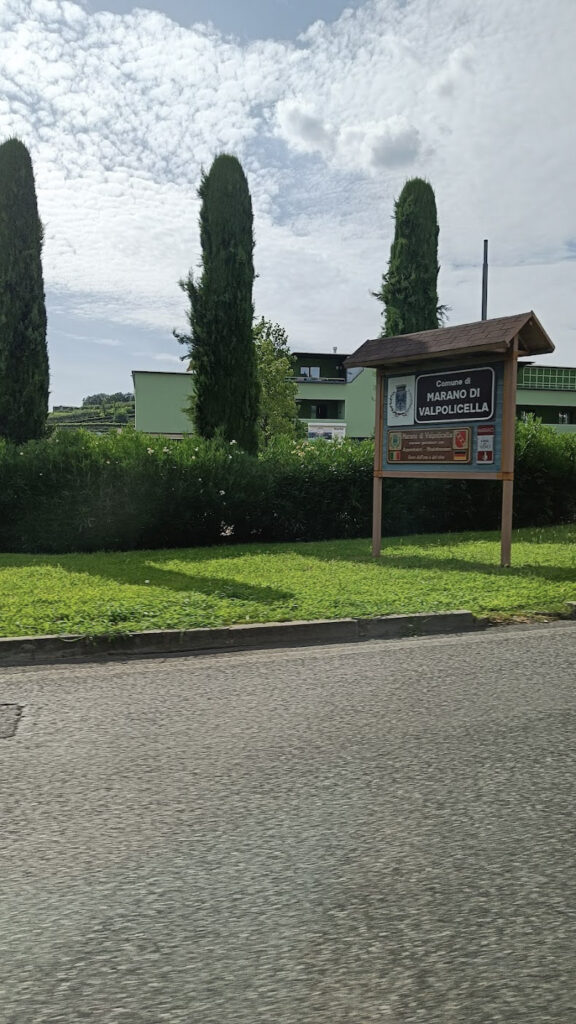
Before we talk bus stops and bottles, we should talk about the area itself. Valpolicella isn’t just a wine; it’s a historic region in the foothills of the Italian Alps. The name likely comes from a mix of Greek and Latin meaning “The Valley of Many Cellars”, which, as you’ll find out, is a very apt description.
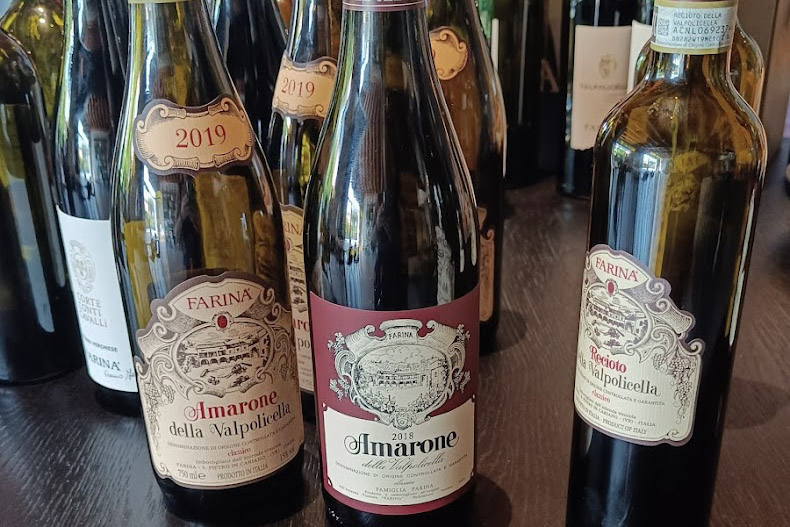
The region is famous for its wine. Most of the wines are blends, primarily using the Corvina grape, but the real star of the show is Amarone della Valpolicella (and my absolute favourite wine).
To make Amarone, the winemakers leave the best grapes (mostly Corvina, Corvinone, and Rondinella) out on racks to dry for several months, in a process called appassimento. This shrivels the grapes, concentrating their sugar. They’re then fermented completely dry and aged in oak barrels. By law, in order to be called an Amarone, the wine must be aged for at least two years, four for riserva varieties – meaning the bottle you pick up on your visit has lasted longer than some British Prime Ministers.
Getting to Valpolicella From Verona
Before you set off on your epic winery adventure, we need to talk about how you’re actually going to get there, and when.
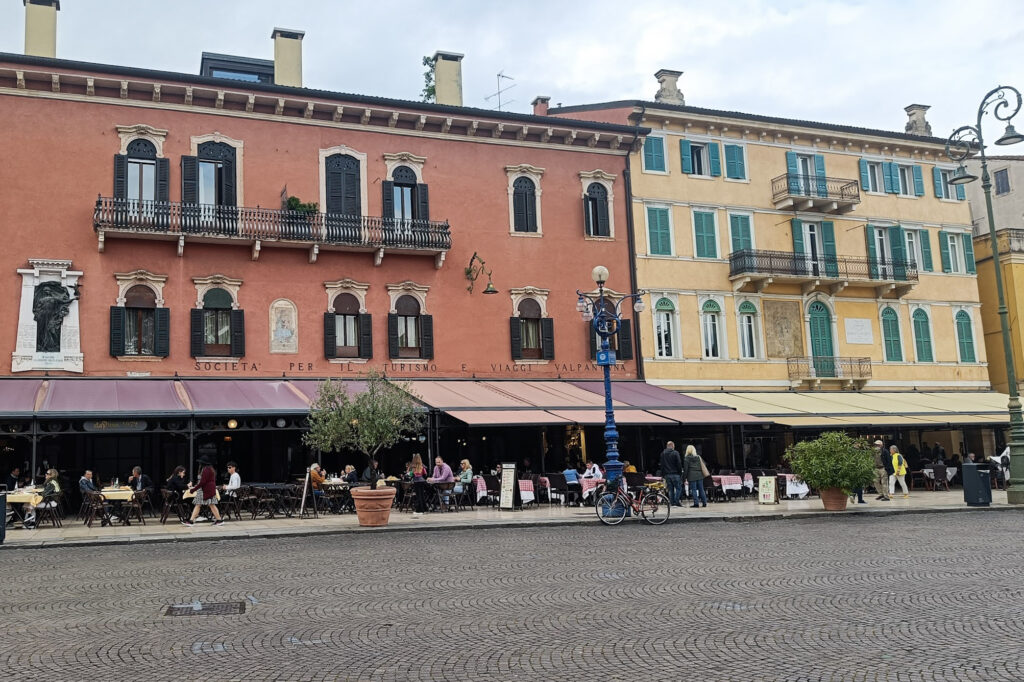
There are a number of buses you can get from central Verona, near Piazza Bra, direct to the wineries I’m about to introduce you to.
Timing Your Trip to a Valpolicella Winery
I’ve condensed all the info in this post down into a concise, downloadable PDF file. There you’ll find a cheat sheet to the wines of Valpolicella, a map of the walking route and a timed itinerary for your day to help you get the most out of your visit – there’s nothing worse than getting there too late to actually appreciate your time!
Before you buy your bus ticket, check the calendar. The wineries I’m about to introduce you to are all working vineyards and the “working” part is taken seriously.
- Monday to Friday: All four wineries are usually open for business.
- Saturday: This is your best bet for a weekend escape, but Bolla, the fourth Valpolicella winery on my route is closed.
- Sunday: All four wineries are closed on Sundays.
If you’re only in Verona for a quick Ryanair weekend, prioritise your Saturday for learning about viticulture in Valpolicella, and use your Sunday to explore Verona itself.
Otherwise, if you’re in Verona on a weekday, you’ll likely find the wineries are quieter midweek, giving you more time to chat to the makers and get around all four wineries if you choose to!
The Bus to Valpolicella
To get to the wineries on this list, you’ll need to make your way to the Stradone Maffei Bus Stop B.
It’s a 5 minute walk from the central Piazza Bra. From there, you want either of these buses:
- 103 bus towards Domegliara (the more regular bus).
- 105 bus towards Fosse (far less frequent, and finishes early in the day)
Both buses take about half an hour to get to your stop: Via Campostrini II and from there it will be a 9 minute walk to your first winery. If you see San Floriano on the schedule, that’s where you’re headed towards, but your exact stop is Via Campostrini, in the village of Pedemonte.
A Note on Reading Italian Bus Schedules
You’ll find the schedules for all buses around the Verona area on the ATV website. For this trip, you’re specifically looking at the extraurbano buses, those that go outside of Verona city.
Google Maps works perfectly well and it’s what I use to plan my own trips, but if you’re standing at the stop reading the sign, here are some terms to look out for:
- Feriale: Monday through Saturday
- Festivo: Sundays and Bank Holidays (sometimes marked with a cross symbol)
- Scolastica: During the school year (usually mid-September to mid-June)
- Vacanza Scolastica: When schools are on holiday (Summer, Christmas, Easter)
- Sabato Scolastico: Saturdays during the school year
- Escluso Sabato Feriale: Excluded on non-school Saturdays – basically, don’t look for this bus on a normal Saturday.
It can get confusing, I know, especially when you’re standing in the hot sun trying to squint at a complicated bus schedule. Keep it simple: Use Google Maps, or download the ATV Ticket Bus Verona App.
How to Buy Tickets for the Bus in Verona
You have two ways to pay for your journey: one is on your smartphone, the other is by buying a paper ticket from a tabbachi.
The Digital Way: The ATV Ticket App
This is the easiest option for most people. Download the ATV Ticket Bus Verona App before you leave your hotel. You will need an internet connection to buy and access your tickets, so I recommend getting an e-sim to save on roaming costs.
- You’re looking for an Extraurban (extraurbano) ticket. This may be listed as “Scatto 2” (2-zone) ticket. This will cover the distance from Verona to San Floriano.
- The ticket will cost around €2.60 and it’s valid for 75 minutes from when you first activate it.
- Activating your ticket: Just buying the ticket isn’t enough. You must activate it as soon as you board the bus. Look for the QR scanner near the driver to scan it, or hit the “activate” button in the app. If an inspector catches you without an activated ticket, you’ll get a fine.
The Paper Ticket: Visiting the Tabbachi
If you prefer a physical ticket, look for a shop with a large “T” sign (a tabbachi).
Ask for a ticket to San Floriano or two-zone ticket (un biglietto per San Floriano, due zone, per favore). Make sure you buy your return ticket in case you get stuck on your way back!
Once you’re on the bus, stick the ticket into the little yellow or green machine until it beeps and stamps a timestamp on it. If it’s not stamped, it’s not valid, and you may be fined if caught.
Heading Back to Verona
If you’re from a bigger city like London or Paris, you might be used to public transport running until late in the evening. Coming back from your Valpolicella winery tour however, your last bus will be around 19:10 in the evening. This shouldn’t have a massive impact on your day – most of the wineries close around 6pm at the latest.
Four Wineries, One Village: The Ultimate Valpolicella Walking Route

Once you step off the bus in San Floriano, you’re right in the heart of Veneto’s wine culture. This is where the names you see on the labels in your local wine shop come to life, and it’s a bit like meeting a celebrity that comes in a 750ml bottle.
You’re in the “Classico” zone here, the oldest and most respected part of the valley. Valpolicella as a region is huge, but the Classico zone is a very specific, smaller area. It consists of five valleys: Sant’Ambrogio, Fumane, Marano, Negrar, and San Pietro in Cariano (where you’ll be). Since 1968, only wines produced in these hills can put “Classico” on the label. It tells you that this wine is from the ancestral home, and the wineries in the surrounding hamlets of San Floriano and Pedemonte have the heritage to prove it.
The walk on this route is a flat, easy pavement walk. There’s no more than 10 minutes walking between each winery. If you complete the whole route, the round trip from the bus stop to each estate and back again is a total of 2.6km and 35 minutes walking time.
Timing Your Day
Depending on the day of the week you visit, you’ll need to plan your day before heading out. Each of the wineries on this list have slightly different schedules, and all are closed on Sundays.
Some also close during lunch hours, so I’ve built a lunch stop into the itinerary for you.
Speri: Organic Roots and a Family Welcome
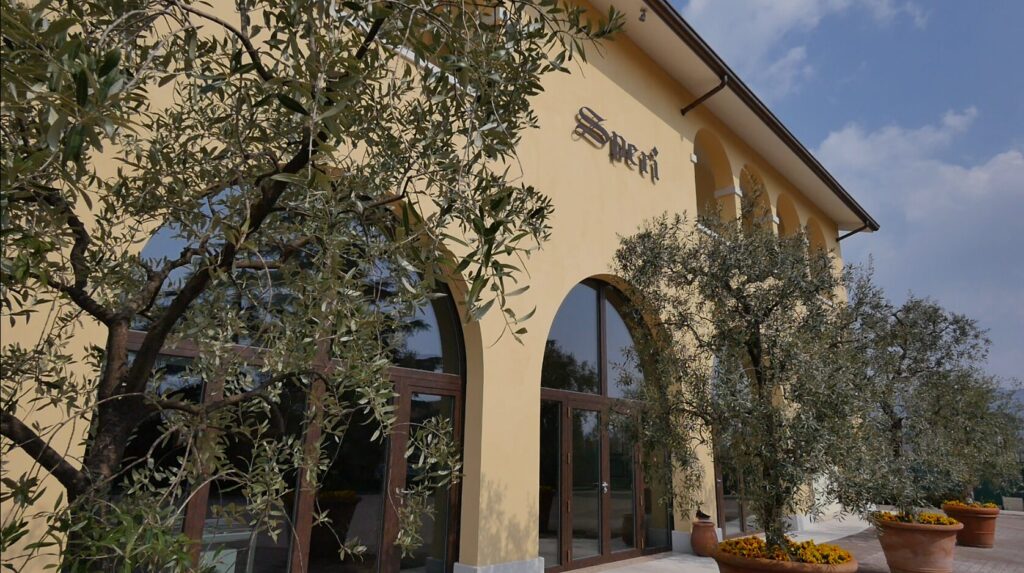
Your first Valpolicella winery of the day is Speri. As you walk up to the gates, you’ll see the warm yellow of the Speri house from the street. It looks more like a family estate than a corporate headquarters, and that’s because it is. It’s a purely family estate, now in its seventh generation of the Speri family.
The family has been producing wine in the region since 1874, and they’re pioneers in the Valpolicella Classica region, especially when it comes to sustainability. Long before “organic” was something to look for on supermarket shelves, Speri was working towards a 100% organic certification, which they were awarded in 2015.
Speri only grows grapes indigenous to the region (look out for Corvina, Corvinone, and Rondinella), and only their own grapes are used in the production of their wines. They were one of the first in the area to produce Amarone, in 1958, and still bottle it alongside the rest of their portfolio today.
When you get back home and pick up a bottle of Speri in a wine shop, you’ll know that the family’s touch is on everything from the vine to the glass in your hand. It’s that heritage that makes this the perfect introduction to the valley.
Visiting Speri
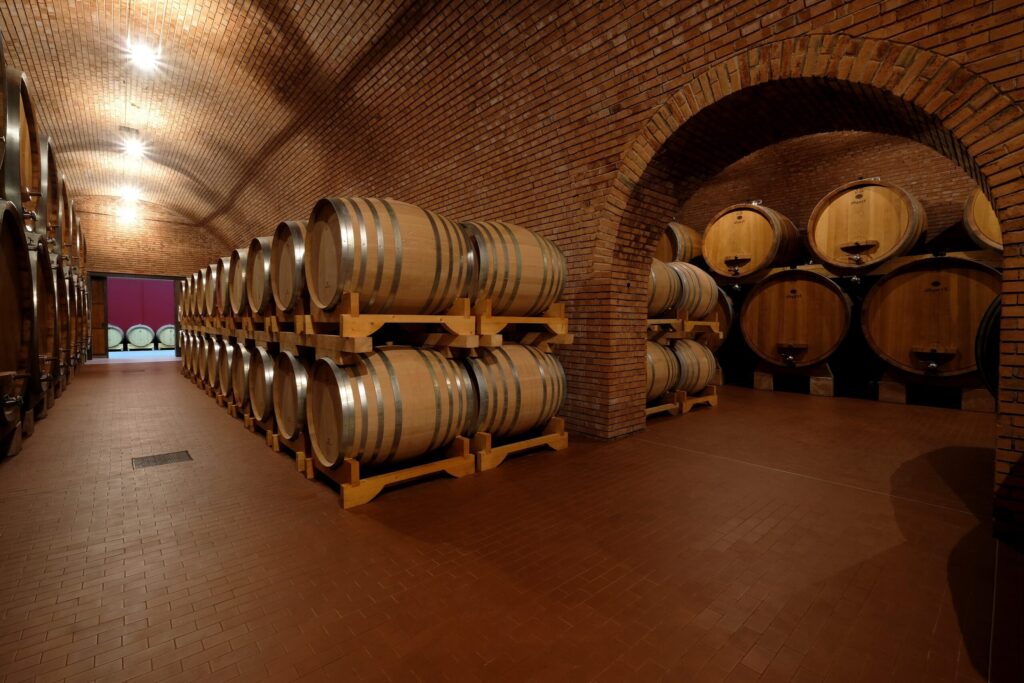
The winery and the shop on the Speri estate are open for visitors Monday through Saturday. They have a number of tours and tastings on offer, which you can book direct with them through their website.
Speri offer five different ways to explore their cellar. Whether you’re on a tight schedule or looking for the full introduction to the family’s story, there’s an option that fits.
| Experience | Best For | What’s Included | 2026 Price |
| A Taste of History and Passion | Time-Pressed Tasters | Full Range Tasting (no tour), 30 minutes | €15 |
| Discovering The Speri Wines | The Full Portfolio Intro | Tour of cellar and production areas, and full range tasting, 1 hour | €30 |
| The Flavours of Valpolicella | The Foodies | Cellar tour, tasting, and local meat and cheese platter. 1 hour 30 minutes. | €45 |
| The Speri Family’s Cru | The High-End Explorers | Tour of cellar, production areas, and a tasting of four of their finest wines, including a reserve of their iconic Amarone. 1 hour 30 minutes. | €45 |
| Amarone: Timeless Emotions | The Amarone Fan | Tour of cellar, production areas, introduction to the winery’s philosophy, and a tasting of four different vintages of Amarone. 2 hours | €95 |
Which tour is right for you?
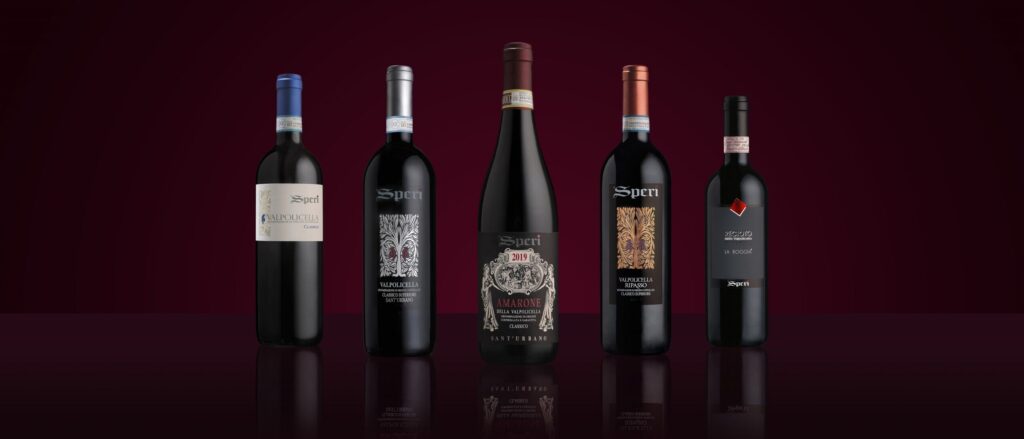
For your day exploring Valpolicella, I’d recommend choosing either the Discovering The Speri Wines or The Speri Family’s Cru tours. As much as my eye is drawn to the Amarone tour even writing this, Amarone is a notoriously heavy wine and tends to be a high alcohol percentage (usually 13-15%). You don’t want to tap out of your day before you’ve even begun.
Equally, the short tasting-only option is great if you’re watching the budget or you’re pressed for time, but the family legacy is part of what makes Speri so special – if you choose this shorter option, you’re missing out on the true introduction to the estate and its story.
- A Taste of History and Passion
- This is the no frills, straight to the wine option. If you’re tight on time or couldn’t book onto a full tour, this is a guided tasting of their entire range, from the Valpolicella Classico all the way to the sweet Recioto.
- Discovering The Speri Wines
- This is the one I’d recommend for your day in Valpolicella. You get a full tour of the production stages, learn more about the family, the estate and their approach to producing sustainable, organic wines. It’ll end with a full tasting of the Speri portfolio.
- The Flavours of Valpolicella
- If you want to turn your tasting into a light lunch, this one is for you. It includes the cellar tour and tasting, but adds a platter of local cold cuts, bread, and cheeses to pair with the wine.
- If you’re vegan or veggie like me, or just not that hungry, you might prefer to stick to one of the other tours and plan a lunch stop later in your day. However, for the cheese-lovers in your group, this is great value.
- The Speri Family’s Cru
- This tour focuses on “crus”, which are prestigious, single-vineyard wines. You’ll taste Speri’s iconic Amarone Sant’Urbano and its 2012 Reserve. It’s a great way to explore how specific soil and microclimates change the soul of a wine.
- Amarone: Timeless Emotions
- This is the ultimate experience. Speri is one of the families that made the history of Amarone. This is a deeper dive into their production philosophy and a tasting of four different vintages of Amarone, dating back to the year 2000.
Opening hours:
- Monday to Friday: 08:30-12:00, 14:00-18:00
- Saturday: 08:30-13:00
- Sunday: Closed.
You do not need to reserve for short tastings and visiting the wine shop, but you will need to book for any of the guided tour options. Most of the tours have “non-tasting companion” options, if you’re travelling with someone who wants the history without the hangover!
Address: Via Fontana, 14, 37029 Pedemonte.
Farina: Where Winemaking Meets Modern Art
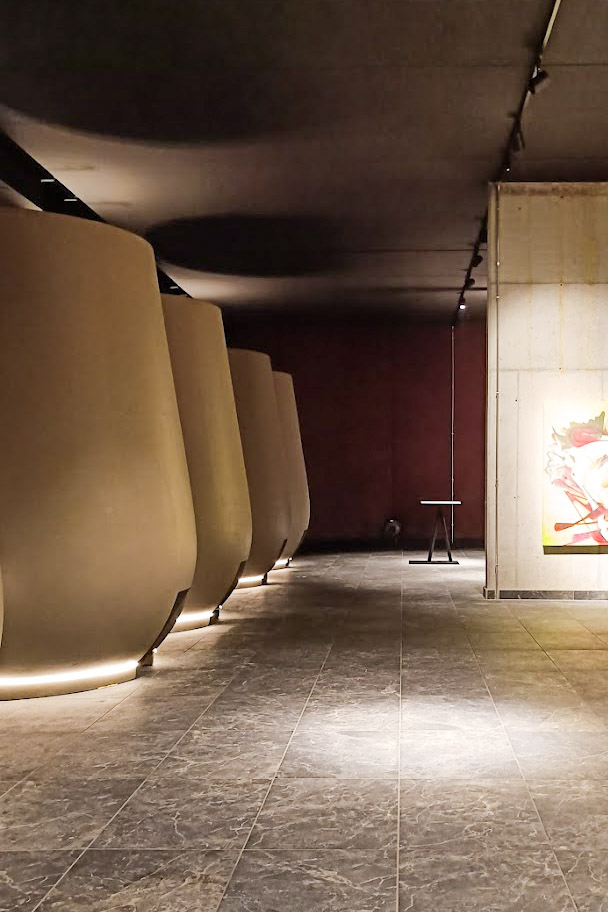
For your next stop on your Valpolicella winery tour, you’ll see a total change of pace. Farina is a 3 minute walk from Speri, but their approach to hospitality and wine production is a completely different style.
Like Speri, Farina is a family run business and it’s now in its 4th generation of the Farina family, with the winery established in the early 1900s.
Cousins Elena and Claudio Farina run the winery today, blending respect for tradition with modern technology and innovation. The result is a modern, thriving winery and a well earned company slogan of “wine tradition evolved”. Walking into their tasting room feels a bit like entering a very stylish friend’s dining room, if that friend happened to have a cellar of award-winning Amarone.
When you visit the production areas of most wineries, you’ll see huge stainless steel tanks or rows of oak barrels. At Farina, it’s completely different. Here you’ll find tulip-shaped concrete tanks, and they’re incredibly satisfying to look at. As you walk down the steps into the production area, it looks more like a modern art gallery than a working winery. From a winemaking perspective, the concrete acts as a natural insulator, keeping the temperature steady without the need for cooling systems. Despite looking incredibly modern, it’s a very “back to basics” approach that results in a wine that tastes pure and expressive of the soil.
While the tanks themselves wouldn’t look out of place in the Tate Modern, the winery has a deep connection to the local art scene. As you walk through the space, it really does feel like a curated gallery, with artwork on the walls that completely fits the minimalist, sleek vibe of the production area. Farina often hosts exhibitions and has permanent installations that complement the elegance of their wine.
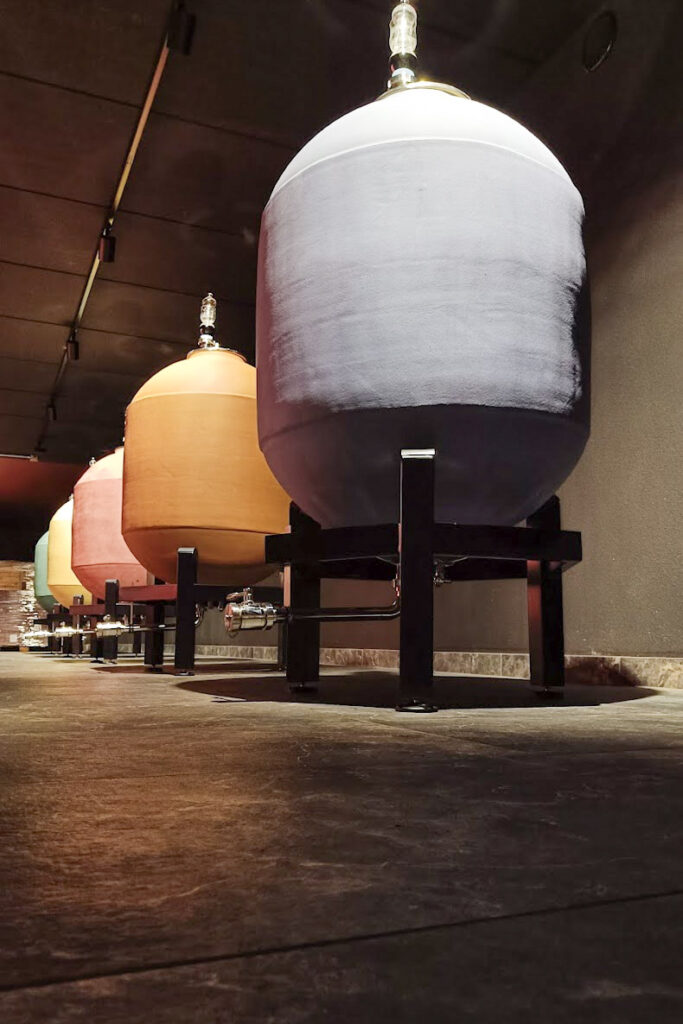
Here, a tasting feels like a cultural experience, and it’s a delightful reminder of how special and unique each of the Valpolicella winery visits are.
Visiting Farina
All tours can be booked on Farina’s website.
| Experience | Best For | What’s Included | 2026 Price |
| Farina Boutique | The Classic Visit | Full tour, 6 wines, meat & cheese platter. 1 hour 30 mins. | €35 |
| Gourmet Light Lunch | The Lunchtime Visitors | Full tour, 6 wines, light lunch, dessert and grappa. 2 hours. | €55 |
| Private Tour | The Intimate Experience | In-depth private tour, 5 premium wines, charcuterie. 2 hours. | €70 |
Which tour is right for you?
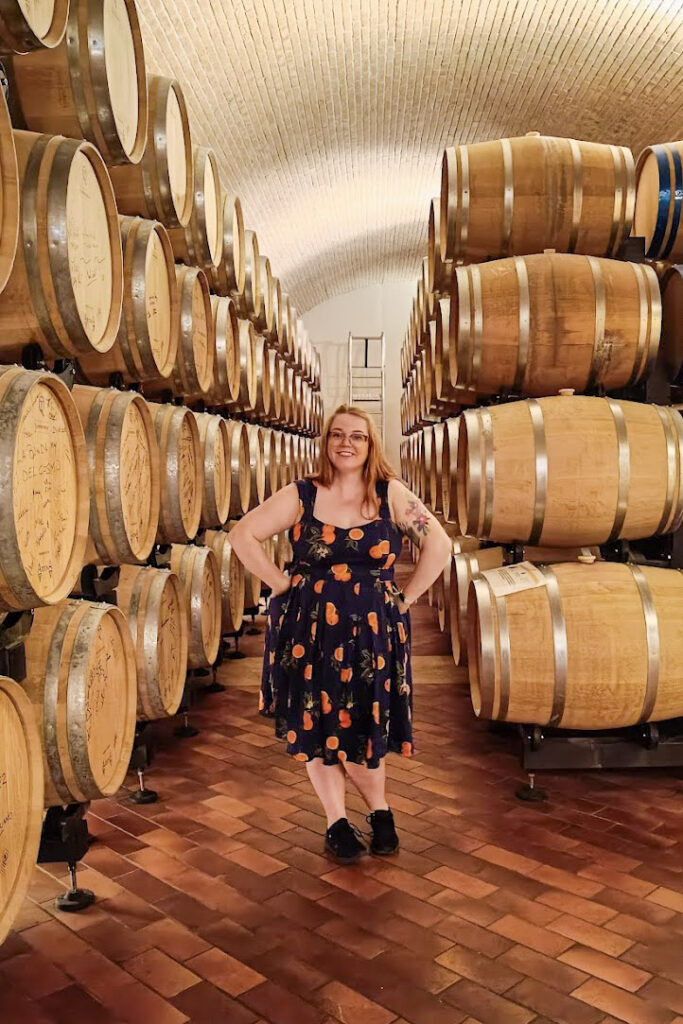
For this walking itinerary, I’d recommend the Farina Boutique tour. Since you’ve already had a morning of history at Speri, this 90-minute session gives you a great overview of Farina’s modern techniques, a tasting of a wide range of their wonderful wines, and enough time to spare for the rest of your day.
On my own visit to Farina, I did a tour like this one and found it gave me a great introduction to the winery, their history, production and enough variation in their wine portfolio to decide which ones I was bringing home (Amarone, naturally).
If you decide to skip the lunch stop coming up next, the Gourmet Light Lunch is your best alternative. It turns the tasting into a slower, leisurely event, topped off with a Grappa di Amarone that will put a spring in your step for the walk onwards. If you are heading on to the next wineries, be warned: Grappa is strong, make sure you’re pacing yourself!
Opening hours:
- Monday to Saturday: 09:30 – 12:30, 14:00-18:30
- Sunday: Closed
Reservations are required for guided tours and tastings, and all are available in English, German, and Italian.
Address: Via Alberto Bolla 11, 37029 Pedemonte
The Survival Interval: Where to Find Food And Water
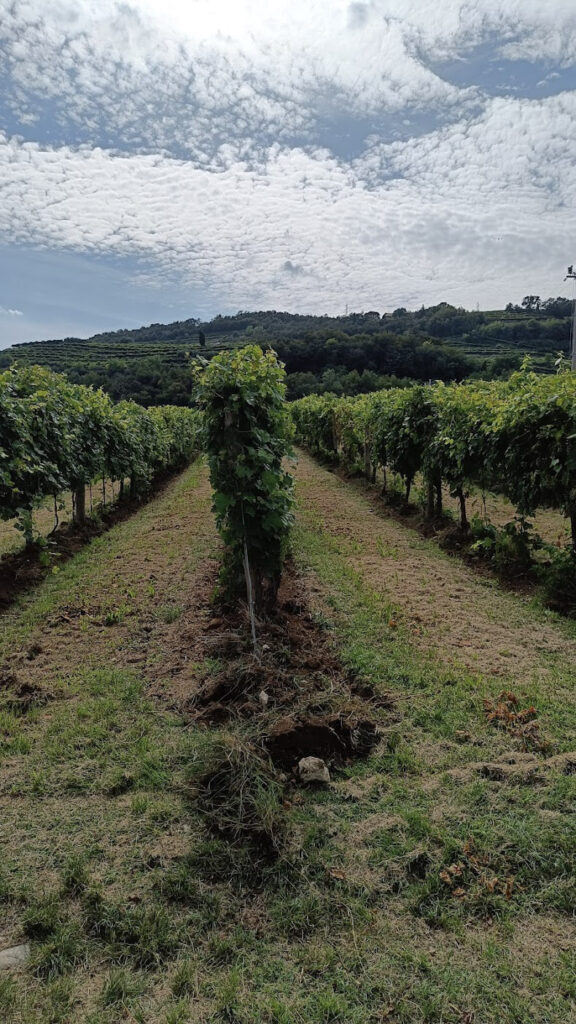
Many restaurants in Italy close in between lunch and dinner service. If you’ve timed your day well, you should be stopping for your own lunch around the time the wineries close, but before the restaurants do – ideally around noon.
There are a number of restaurants around the area, most of them are pizzerias. While Tommasi, your next winery, doesn’t close for lunch, I strongly recommend taking a pause at this point. Even if you’re feeling great, a coffee-and-carb reload will help you actually appreciate the historic estates coming up.
A note for vegans and vegetarians
For my fellow vegans and vegetarians, there are no exclusively veggie restaurants in the immediate area. You could bring a packed lunch, but the main street through Pedemonte lacks benches or public parks, so your al fresco lunch could become a sandwich gobbled down while leaning against a stone wall.
Pizzeria 1815 Pizza e Sfizi has one vegan pizza on the menu, a “Vegana” that swaps out the cheese for courgette cream and roasted potatoes. Pizzeria L’Incrocio dei Sapori has a marinara (although I’m always loath to recommend a marinara as a proper meal).
Tommasi: Meeting the “Magnifica”
Once you’ve taken a moment to catch your breath and maybe grab a slice of pizza or two, it’s time to move on to the next Valpolicella winery on your self-guided tour, and this time we’re calling in the big guns: Tommasi.
Tommasi is a titan in the Italian wine world, and their headquarters in Pedemonte reflects the scale of the operation. As you walk through the gates of the winery, you’ll immediately notice that everything feels very grand and polished. This is a global operation, but it’s still family run, in its fourth generation. They are one of the historical families of Amarone, the group credited with protecting the heritage of the wine and bringing it to the rest of the world.
One of the main reasons to visit Tommasi isn’t just its heritage and prestige, it’s also where you’ll find “Magnifica”. This is a 65,000 litre barrel made from Slavonian oak (part of Croatia, not to be confused with Slovenia the country). To put it in perspective, that’s about 86,000 bottles – enough for a Seeing it in person gives you a visceral sense of the sheer volume of the Tommasi brand, and the patience required to produce a world class Amarone.
While Tommasi is a bigger operation than Speri and Farina, it’s not “corporate” in the cold, impersonal sense. It’s still very much an Italian family brand, and you’ll still find the warm welcome that by now you’ll have come to appreciate about the area.
Their shop is incredibly well organised, and a great place to pick up gifts or bottles to bring home. You’ll also find wines from their other estates across Italy, like Tuscany and Puglia, although let’s be real, you’re just here for the ripasso right?
Visiting Tommasi
All tours can be booked on Tommasi’s website.
| Experience | Best For | What’s Included | 2026 Price |
| Meet and Greet | The Efficient Visitor or the Multi-Winery Tourist | Cellar tour and 3 wines (including Amarone). 45 mins. | €25 |
| From Lugana to Amarone | The Garda Explorer | Cellar tour and 4 wines with local snacks. 2 hours. | €45 |
| Trilogy of Emotions | The Italian Tourist | Cellar tour and 4 wines from across Italy. 2 hours. | €50 |
| Tommasi Family Experience | The Full Story Seeker | Cellar tour and 5 wines from their various estates. 2 hours. | €75 |
| Vertical Amarone Tasting | The Fine Wine Connoisseur | Cellar tour, 5 Amarone vintages, and chocolate pairings. 2 hours. | €120 |
Which tour is right for you?
If you’re following this walking itinerary, the Meet and Greet is my recommendation. By this point in the day, you’ve already spent a few hours in cellars already. This 45 minute session is the perfect bite sized visit. You’ll get the history of the Tommasi family and brand, see the legendary Magnifica barrel, and still have time to spare.
However, if you’re a real enthusiast and you want an in-depth introduction to each winery you visit, go for The Tommasi Family Experience. It’s a liquid tour of Italy, taking you from the northern hills of Veneto down to the sunny south.
A closer look at the options:
- Meet and Greet: The best choice if you want to see the highlights. You get a guided tour of the cellar and the world’s largest wine barrel, followed by a tasting of three wines, including two from the area.
- From Lugana to Amarone: Similar to the meet and greet, but more in-depth. This tour focuses on the family’s heritage near Lake Garda as well as Valpolicella. You’ll taste three wines from Valpolicella, and one white one from Lugana, by Lake Garda.
- Trilogy of Emotions: On this tour, you’ll taste a selection of four wines that represent the North, Centre and South of Italy. It’s a great way to understand how different soils (terroirs) create entirely different experiences in the glass.
- Tommasi Family Experience: This is essentially a “tour of Italy”. You’ll taste five different wines from the family’s six different estates across the country. It’s accompanied by local products and really showcases the Historical Family status they hold.
- Vertical Amarone Tasting: This is for the serious Amarone enthusiasts. You’ll taste five different vintages of Amarone, including the estate’s luxury De Buris project. Pairing these powerful, aged reds with a special selection of chocolate is a decadent way to see how the wine’s evolved over the decades.
Opening hours:
- Monday to Thursday: 10:00 – 18:00
- Friday and Saturday: 10:00 – 18:30
- Sunday: Closed
Address: Via Ronchetto, 4, 37029 Pedemonte
Bolla: The Parting Glass with the Godfather of Amarone
To finish your day in Pedemonte, we’re finishing with the Valpolicella winery that put the region on the map: Bolla. I mean, it’s even on a street that’s named after its founder, Alberto Bolla. It’s just a grape’s throw from Tommasi, a short 6 minute walk.
The Bolla family has been making wine since the 1880s, originally in the mostly white wine producing region of Soave. In the 1930s, the founder’s son Giorgio, recognised the potential for quality red wines in the Valpolicella Classica zone and opened the winery that stands there today.
Before the 1950s, Amarone was often considered a bit of a winemaking accident, a Recioto (sweet wine) that had fermented too long and turned dry. Bolla saw the genius in this mistake, bottling it in 1953 and printing “Amarone della Valpolicella” on the label for the very first time.
Walking into Bolla, you can’t help but appreciate the history. While the brand has grown into a global business, the heart of the operation still remains in these historic cellars.
Valpolicella is well known for both its historic families and of course, Amarone. You started the day with the family story of Speri, and so ending it with the pioneers of Amarone just makes sense.
As you raise your final glass in a toast to these beautiful hills, you’ll know that you’re standing exactly where the region’s most famous export began its journey to the rest of the world.
Visiting Bolla
Bolla is owned by the Gruppo Italiano Vini (GIV), and unlike Speri or Farina, they don’t have a one-click booking calendar on their main brand page. They prefer you to email or call to arrange a visit.
Since they’re a large operation, they often host private groups or corporate events. If you’re a solo traveller or in a small group, it’s best to reach out to them to ask if you can join an existing tour. Alternatively, their wine shop and cantina are open on weekdays only.
Even if you choose not to do a tour, you’ll already have spent the day seeing some beautiful vineyards, learning family stories, and exploring cellars. If Bolla is just your last stop for a final tasting, then you’ll still have had an incredible day out.
Opening hours:
- Monday to Thursday: 08:30 – 18:00
- Friday: 08:30 – 13:00
- Weekends: Closed
Finishing Your Day in Valpolicella
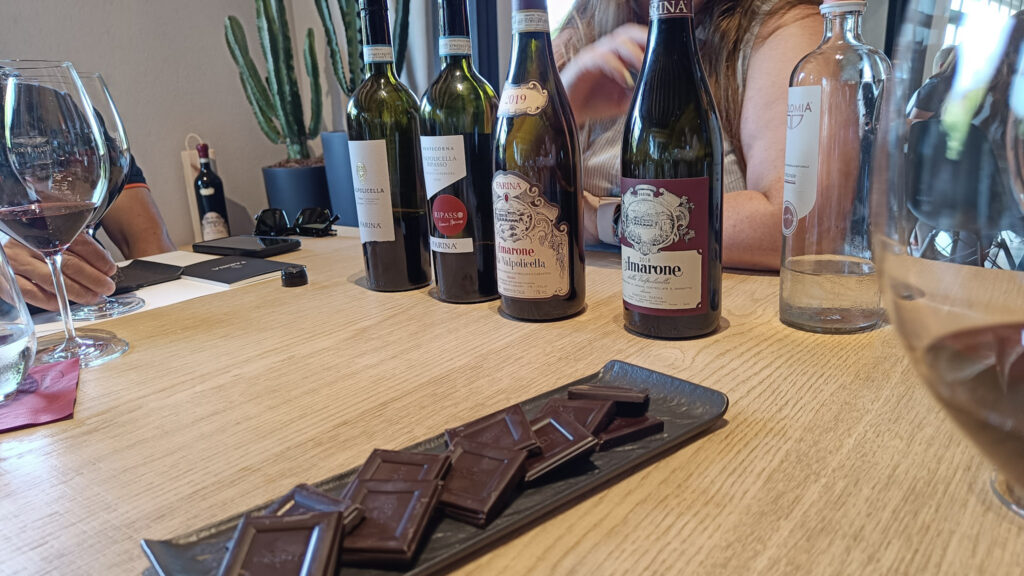
If you’ve made it around all four wineries, then bravo – you’ve gotten an incredibly well-rounded, in-depth view of Valpolicella and its history. All while staying hopefully upright. If you tapped out after two, then that’s totally fair too. As long as you had a good time and were able to appreciate the mastery, heritage, and skill that lives in the hills of Valpolicella, I’d call that a success.
Regardless of where you ended up on your day, you’re heading back to Verona in the same way you came. The bus stop back into Verona is across the road from where you got off this morning, and you want stop Via Campostrini II A.
The 103 is the bus you’ll want to get back in the afternoon, and it’ll drop you back where you started in Verona. Check that the front of the bus says “Stazione Porta Nuova“.
Note on afternoon buses:
The 103 back into Verona runs every 40-60 minutes in the afternoons. Check your bus schedule before you order your last glass of wine, and ideally aim for a bus before the wineries close for the day. You don’t want to be stuck waiting at the side of the road for nearly an hour with nowhere to pass the time.
If you do get truly stuck, the drive back into Verona is only about 25 minutes, so as a last resort, you could call a taxi. Uber doesn’t really exist as we know it in Italy, it serves more as a way to call local cabs than a ride-sharing platform. Radiotaxi Verona is a commonly used firm, or the FreeNow app. Again, this is where an e-sim comes in handy to make sure you’re not stuck.
As Valpolicella is outside of the city, you may find yourself waiting quite awhile for a taxi, so I’d strongly encourage you to plan your day properly and aim for the bus back.
Pro-Tips for a 4-Winery Day
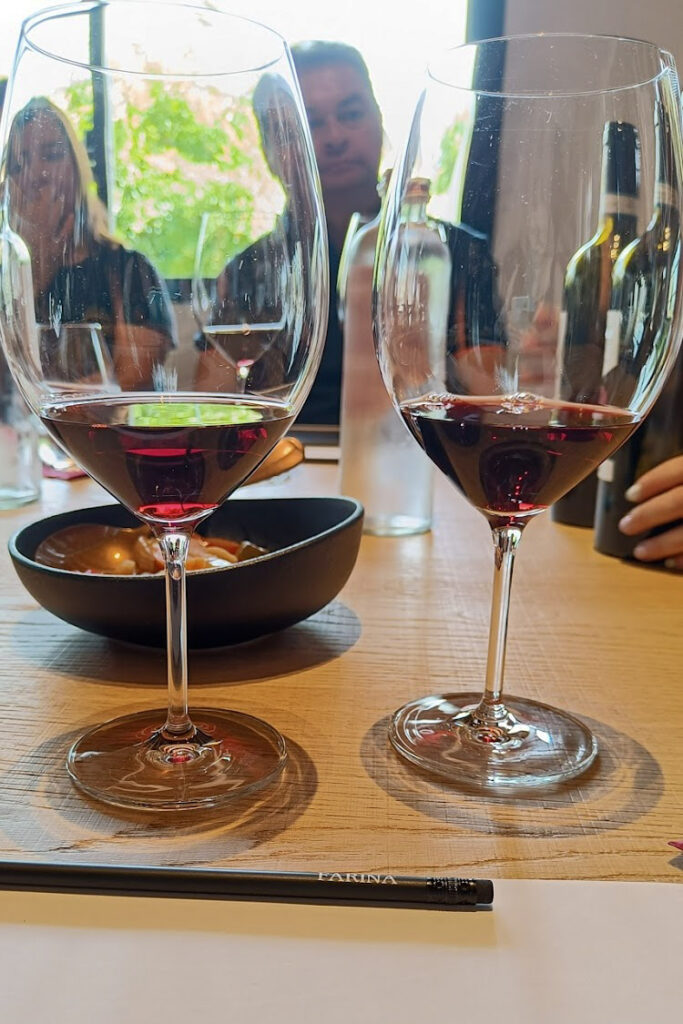
If you’re planning to hit up all four spots on this itinerary, you’re in for an incredible day. Each Valpolicella winery is unique, with its own history and style, so by making your way around the four on this list, you’ll have had a wonderful introduction to the region and what makes it so special.
However, four wineries is a marathon, not a sprint. Making the most of this day does require a bit of tactical planning. Here’s some tips to make sure you actually enjoy the day and don’t wake up tomorrow with a dry mouth and a feeling of regret:
- Hydrate!
- It’s obvious, but this is the golden rule. Drink a full glass of water for every glass of wine you taste. Most wineries will provide water, but I always carry my insulated bottle in my bag for the walks in between.
- Get Comfortable with the Spittoon:
- I know, it feels like a crime to pour away world-class Amarone, and I can already hear one friend in particular screeching “Don’t waste that!” as I type this. But, if you are visiting four estates, you’re looking at about 15-20 wines over the course of the day. Use the spittoon for the ones you’ve tried before or the ones that aren’t your favourite to keep your palate (and your head) sharp for the legends at the end of the day.
- If you’re going for tastings only, you can also share a tasting flight with a friend.
- I know, it feels like a crime to pour away world-class Amarone, and I can already hear one friend in particular screeching “Don’t waste that!” as I type this. But, if you are visiting four estates, you’re looking at about 15-20 wines over the course of the day. Use the spittoon for the ones you’ve tried before or the ones that aren’t your favourite to keep your palate (and your head) sharp for the legends at the end of the day.
- Don’t Skip the Carbs:
- Italy isn’t a place for a low-carb diet anyway, never mind on a Valpolicella winery expedition. Even if you’re doing a light lunch option at one of the wineries, have a carb-heavy breakfast, or make a stop to split a pizza in between your winery visits.
- Take Photos of the Labels:
- By the time you’ve gotten to your third winery, your memory might be getting a little fuzzy. Take a quick snap of the bottles you genuinely love. It’s much easier than trying to remember the specific Ripasso six months later when you’re standing in your local wine shop.
- There’s also an app, Vivino, where you can snap a photo of the label, give the wine a rating, and write a quick review if you want to really preserve your memories. Vivino also gives you prices of wines, so its a good way to check whether it’s cheaper to buy the wine at the winery (almost always yes) or if you can get it easily at home.
- Dress for the Cellars:
- Even if you visit in the height of summer, the cellars are naturally chilled to around 15°C. While you’re on the tours, you’re likely to be standing in the cellar while the guide explains the history and production to you. Bring a scarf or layers you can throw on so you’re not shivering and can actually hear what they’re telling you.
- Wear Comfortable Shoes:
- Even though the full walking route is a short one (about 36 minutes total), this isn’t the place to wear heels. You’re visiting working wineries and may even get the chance to wander through the vines. Stick to flats or trainers.
- Time Your Day:
- I’ve covered this fully in another section, but you should aim to start your day as early as possible. This gives you a relaxed buffer for lunch and makes sure you’re not checking your watch as you go through a tour.
- Likewise, time your buses. Check your departure and return times the night before. I highly doubt you’ll be heading back on the evening bus given the closure times of the wineries, but I always aim for at least the second last bus, just in case.
- Phone Data:
- If you’ve got roaming data, you’re sorted. If not, get an e-sim. You’ll need to be connected to access your bus tickets if you’ve bought them through the app, as well as checking bus schedules or planning your route back. Likewise, if you do get stuck and need to order a taxi, you’ll thank yourself for being connected.
- And on that, you won’t thank yourself if you’ve let your phone get to 8% battery because you’ve been too busy taking photos of wine bottles to realise you’re almost out of juice. Bring a battery bank like this one, just in case you get stuck.
- Photo Tip:
- The wine you’ll be tasting in Valpolicella tends to have very heavy tannins that can leave you with “wine teeth”. Stick some chewing gum in your bag, or have a quick swirl of water – you’ll be glad of it if you’re planning on taking photos at the wineries!
Final Thoughts
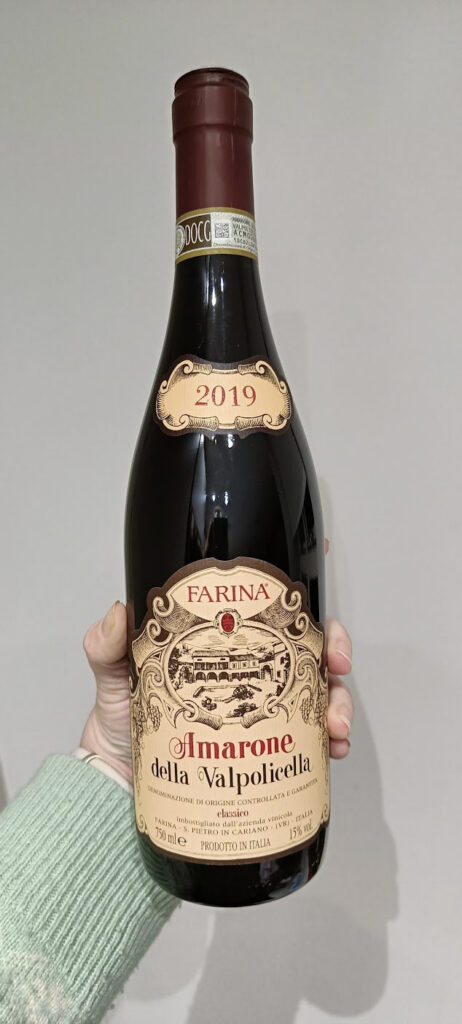
It’s no secret that Valpolicella is my absolute favourite wine region in all of Italy. The wines are delicious, the wineries themselves are beautiful, and the family histories are fascinating. Hopefully, if you follow this route, or any other around the region, you’ll see for yourself what makes it so special.
I also want travellers to see that you don’t need to rent a car to fully appreciate what parts of Italy have to offer. I’ve had “get a license” on my to-do list for probably about 15 years now, and yeah, eventually I’m going to need to get my act together and get on it. For something like a Valpolicella winery day, however, I think it’s safer to stick with the bus! And hey, it’s more environmentally friendly too!
If you’re spending more time in Verona, you might find my Lake Garda without a Car or 24 Hours in Verona guides helpful in planning your trip. It really is a magnificent part of Italy, so however you spend your time, I hope you love it as much as I do.