
The Bagizagan Winery: An Introduction to Uzbek Wine
When you think of Uzbekistan, you probably think of turquoise domed mosques and madrasas, intricate mosaics, or even their famous non bread. Wine isn’t usually the first thing that comes to mind, but Uzbekistan actually has a thriving viticulture industry. This is especially evident in the Bagizagan Winery, just outside of Samarkand.
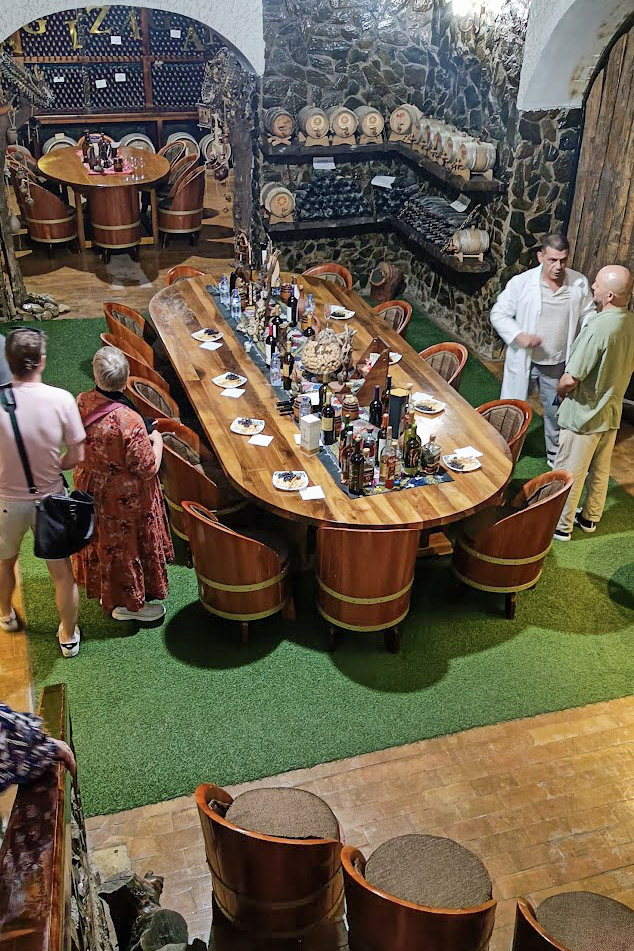
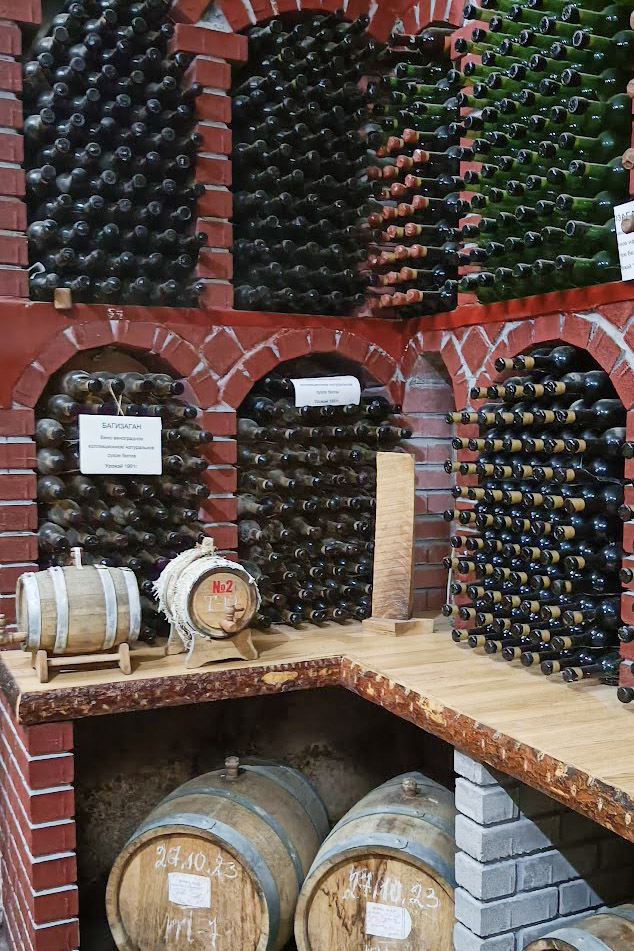
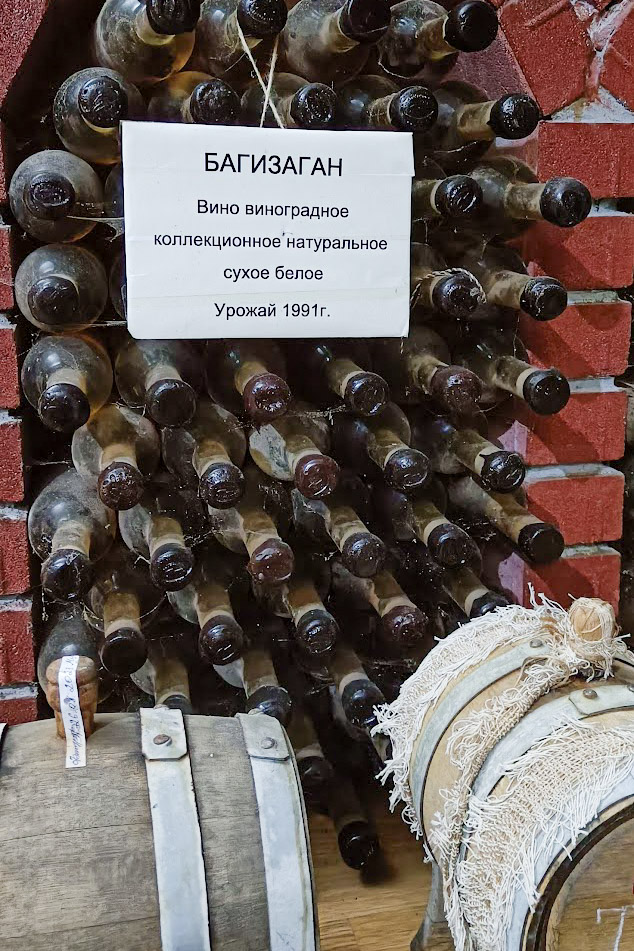
It was here that I found myself sitting in a damp basement, surrounded by dusty bottles, while a Russian guy in a lab coat earnestly held up a bottle of ruby red liquid. I couldn’t understand a word he was saying, but I’d made the mistake of greeting him with “Priviet” earlier, and was now the sole person in the group receiving an enthusiastic speech about… something.
Too embarrassed to let him down, I carried on this charade by throwing out the odd “da” and “nyet” depending on his facial expression. “Do you speak Russian?” another visitor whispered to me, “No,” I whispered back, “but we’re too far gone now”.
Language barrier aside, the Bagizagan winery is fascinating. It’s a 5th generation winery in the village of Bogizagon, about a 40 minute drive from Samarkand. This isn’t the kind of place you’ll come across by chance, and there’s no shiny website to list their crus and tours like you may find in Italy.
Instead, it’s the type of place you have to seek out. When you do, it’s so worth it.
An Intro to Uzbek Wine
If you’ve never had Uzbek wine, it’s very different to what you may find in European or Californian wines. Here, the vineyards are a green oasis in an otherwise mostly desert country. The grapes are sun-drenched and high in sugar, producing a sweet, incredibly easy to drink wine.
Uzbekistan is the main wine producing country in Central Asia, and it’s got a long history of viticulture. This came under serious threat in the 1980s when the then-president of the USSR, Gorbachev, launched an anti-alcohol campaign. Wine and alcohol production were promptly halted, and many vineyards in the region ripped out.
This law aimed to put a stop to alcohol addiction and abuse, but ended up resulting in massive economic losses, destroyed the livelihoods of winemakers, and meant many had to start over from scratch after the 1990.
Today, nearly 40 years later, Uzbekistan’s wine industry is reviving itself. The main production areas are around Samarkand, Tashkent and the Fergana valley, with over 300 types of grapes grown in the country.
If you’re someone who’s already wandered the vines of France, or visited Valpolicella in Italy, adding an Uzbek winery to your travels will give you a completely different point of view.
What is the Bagizagan Winery?
The Bagizagan Winery is a fifth-generation family business based in the village of Bogizagon. The family has been cultivating the vines for over 150 years.
The fact that Bagizagan managed to survive Gorbachev’s anti-alcohol laws in the 1980s, and is still a thriving business today, is a real testament to the resilience of the family.
The winery feels like a working farm, rather than a polished visitor centre as you may find in other wine-regions around the world.
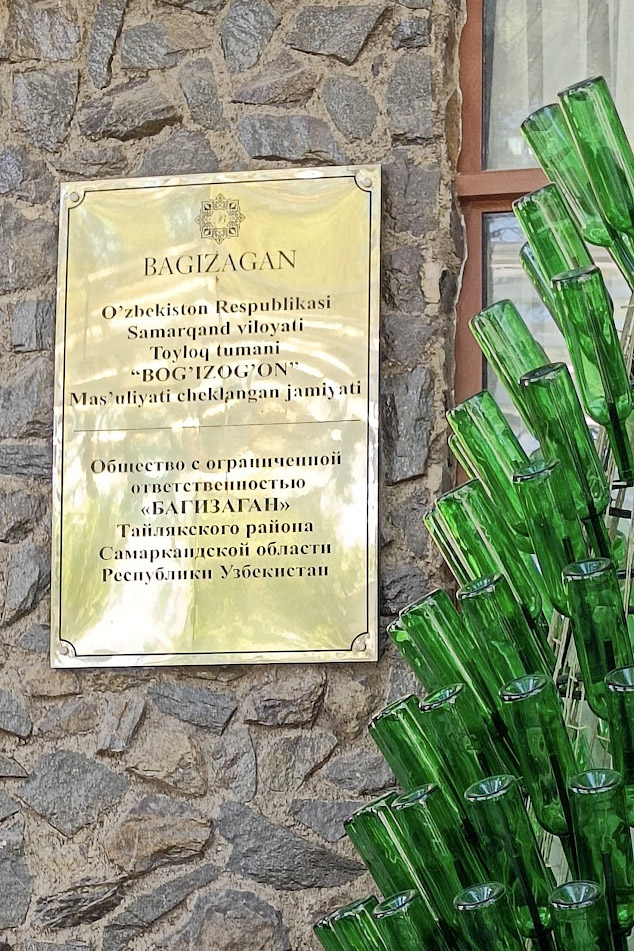
It’s located in the Zarafshan River valley, where the combination of intense Central Asian sun and glacial meltwater creates a microclimate that the grapes thrive in. While most of the grapes produced in Uzbekistan end up as raisins on a family table, Bagizagan has mastered the art of turning those grapes into a truly outstanding range of wines.
Visiting Bagizagan Winery
If you search for “Bagizagan” on Google, it’ll be a little hard to find exactly where it is. Bagizagan isn’t just one location: There’s the primary winery, where you can end up in a cellar with a guy in a lab coat like I did; and there’s the Bagizagan Hotel and Tasting Cellar in Samarkand city.
For the full winery experience, learning about the production, and getting that firsthand, insider experience, you want to head out to the village and visit Zavod Bagizagan.
Visiting the Winery
If you’ve gotten as far as researching wineries near Samarkand, you’re probably already well aware that tourism in Uzbekistan is a bit more DIY than in Europe or the US. There isn’t a lot of information out there on the web, and it’s not exactly clear whether you can just show up to the winery or how to visit.
As much as I’m a fan of DIY winery visits, given the lack of information, your best bet is to book onto a tour. This one from GetYourGuide will collect you from Samarkand, take you on the 40 minute drive out to the village, and back again after your visit to the Bagizagan winery.
Alternatively, there are a number of wine experiences around the Samarkand area:
What to Expect at Bagizagan Winery
When you arrive at Bagizagan, you’ll likely be brought through the main building first, where they house their shop. Here, you can buy wines to take with you, or arrange for them to be shipped back to your home country.
At the time I visited, I was travelling onwards to Thailand, and it’s still a massive regret that I couldn’t get a bottle or two to take back home to London with me.
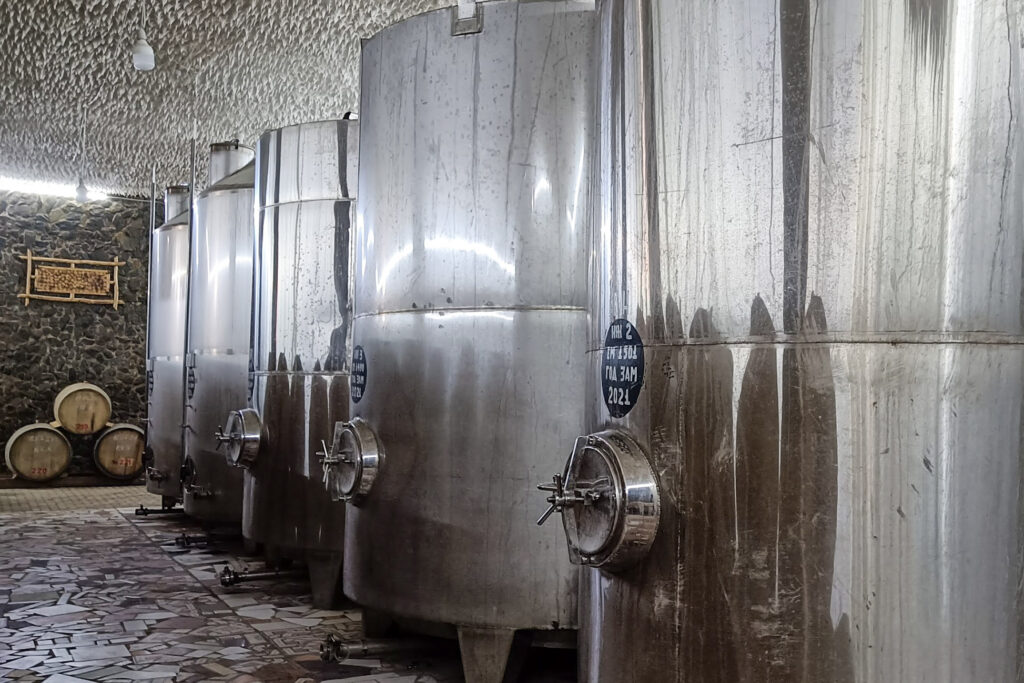
The tour will take you through the industrial heart of the operation, past the massive stainless steel fermentation tanks, the slightly sickly smell of fermented fruit in the air. It’s very clear that this is a working business first, and a tourist destination second, which in my eyes just adds to the experience.
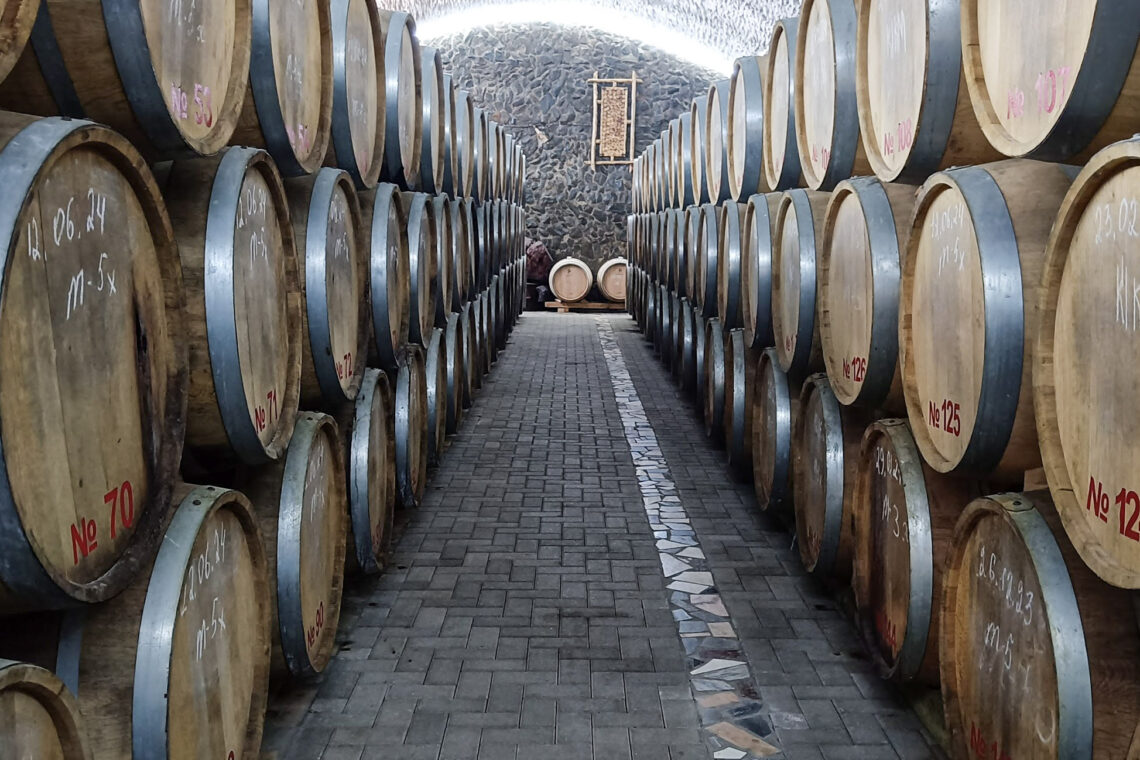
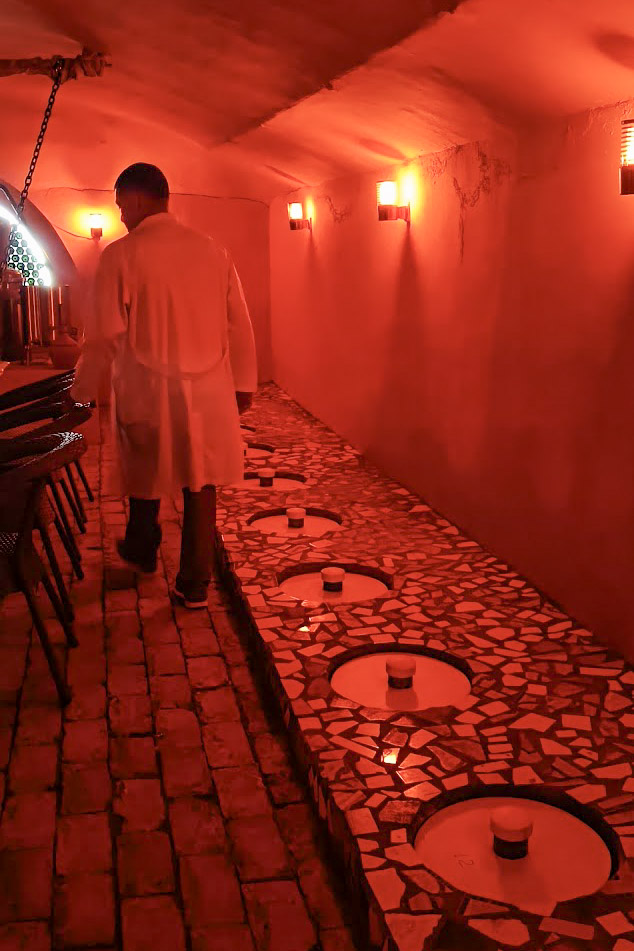
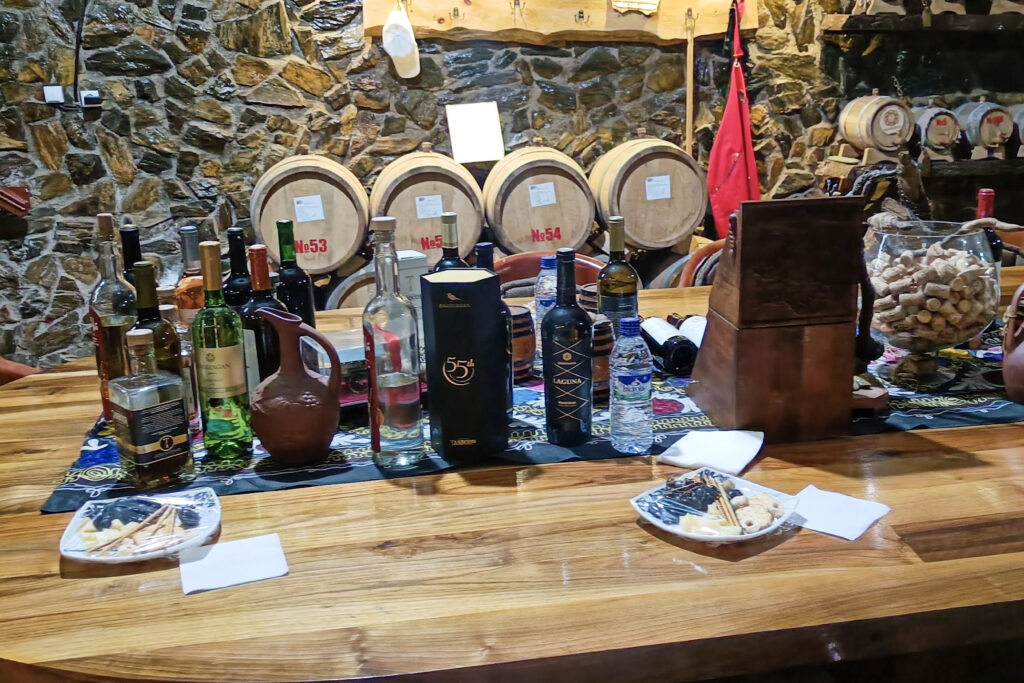
The tour usually ends in the cellar. Here, you’ll see rows of barrels, dusty bottles of vintages, and even a room where some wines are still fermented underground in the Georgian qvevri style amphoras.
The Tasting
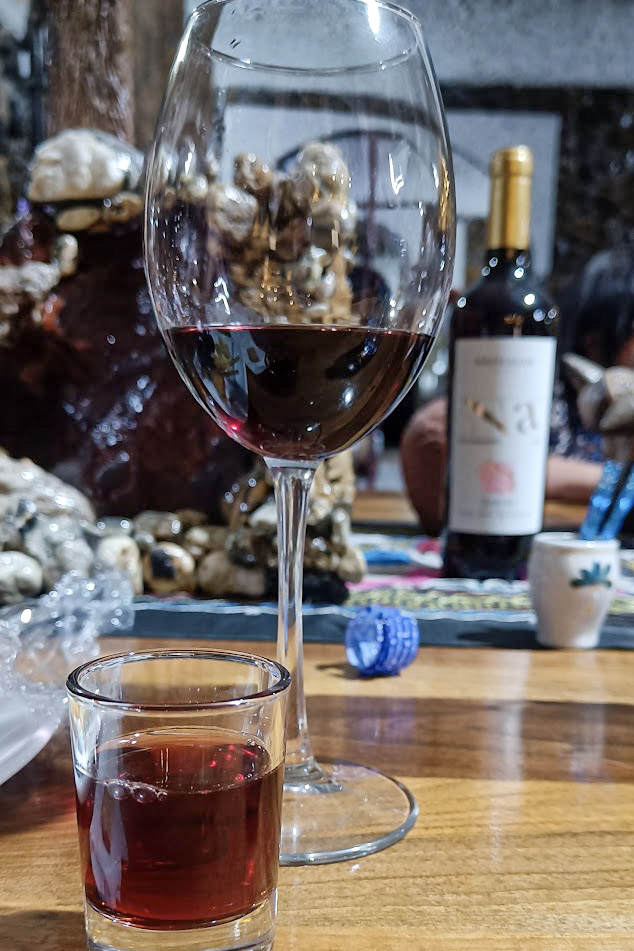
The tasting itself is generous. You’ll be given a healthy pour of each wine, and usually, you’re presented with a range:
The white wine tends to be very floral and light.
The red wines are the heavy hitters. The intense sun of the area means they’re naturally high in sugar and alcohol, usually around 14%.
The dessert wines are where Uzbekistan really shines. They produce sweet, fortified wines that are almost syrupy: perfect for pairing with the dried fruits you’ll find on every Uzbek table.
During my visit, they also gave us some snacks to accompany the wine. These tend to lean quite meat and cheese heavy, so as a vegan, I had to make do with some crackers and nuts. If you’re also travelling Uzbekistan as a vegan, I’d recommend you have a hearty lunch before leaving Samarkand. Otherwise, you too could end up pretending you speak Russian in an Uzbek cellar.
Visiting the Bagizagan Hotel
If you’re not too fussed about the actual winery experience, but still want to try the wines, you can do that without setting foot outside of Samarkand.
The Bagizagan Hotel holds tastings in its restaurant. They’re the same wines you’d try at the winery, but without the tour of the production areas.
Is Bagizagan Winery Worth a Visit?
If you’re a wine lover, then absolutely yes. While the main attractions of Samarkand are Registan and the many gorgeous blue tiled buildings dotted around the city, taking a visit out to Bagizagan is a side of the region most tourists don’t get to see.
Even as someone who loves a winery visit, I never thought I’d end up in a cellar in the middle of Uzbekistan. With Uzbekistan booming for tourism right now, taking a trip out to this working winery gives you a chance to step off the “golden route” for a minute and appreciate part of the industry of the country.
It’s a rare chance to see a side of Uzbek culture that hasn’t been sanitised for mass tourism just yet, and knowing about the Soviet ‘dry laws’ of the 1980s makes it all the more impressive that Bagizagan not only survived but is one of the most well-renowned producers in the country today.
Bagizagan doesn’t have a strong online web presence, so getting information about visiting is a lot tougher than other wineries I’ve been to. While you could chance your arm and take a taxi out and hope someone’s around to give you a tour, I’d strongly recommend booking onto a tour like this one so you’ve got a guaranteed booking and an English-speaking guide.